The short version
- President Trump unveiled plans for a $15 billion steel plant in Iowa, aiming to bolster Republican prospects in the upcoming Senate election.
- The facility, operated by an Indian-owned company, will utilize up to $10 billion in federal financing and is not expected to begin production until 2030.
- Despite presidential claims of strong polling support, recent surveys indicate the Republican Senate candidate trails her Democratic opponent in the key state.
President Donald Trump announced on Monday the development of what he described as the largest steel manufacturing facility in United States history. The project is slated for construction in eastern Iowa and represents a significant pivot in the administration’s economic messaging ahead of the November midterm elections. By framing the initiative as a major victory for American industry, the White House aims to provide Republican candidates with a tangible jobs narrative to present to voters in a state that could prove decisive in determining control of the Senate.
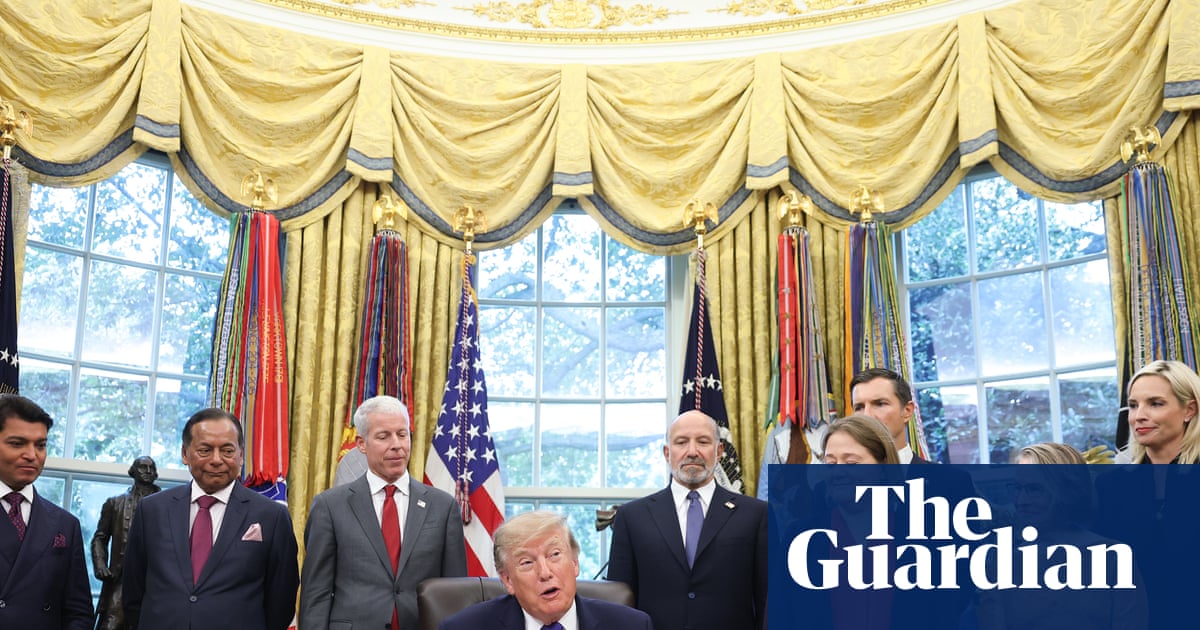
The proposed plant is expected to cost approximately $15 billion and will be constructed by Mesabi Metallics, a steelmaker owned by the India-based Essar Group. During the announcement in the Oval Office, Trump emphasized that the facility would utilize advanced steelmaking technology to produce high-quality, affordable steel. He stated that construction had already commenced, although the timeline for operational readiness remains distant. The plant is not scheduled to begin production until 2030, meaning its economic impact will not be felt by voters during this year’s election cycle.
A substantial portion of the project’s funding will come from federal sources rather than private capital alone. The Export-Import Bank, a government-backed agency, is set to provide up to $10 billion in financing for the expansion. This reliance on taxpayer-supported loans underscores the complex nature of the investment, blending private corporate ambition with public financial backing. Critics may point to this arrangement as evidence that the project requires significant government intervention to proceed, despite the administration’s framing of it as a purely market-driven success.
The political timing of the announcement appears closely tied to the competitive Senate race in Iowa. Trump was joined by Republican Congresswoman Ashley Hinson, who is seeking to succeed Senator Joni Ernst, and by Ernst herself. During the event, Trump offered public encouragement to Hinson, citing recent polling data that he characterized as favorable for her campaign. However, independent surveys paint a more challenging picture for the Republican ticket. A Marist poll released last week showed Hinson trailing Democratic challenger Josh Turek by eight points in the traditionally conservative state.
Other polling data suggests the race remains tight but fraught with voter concerns. An earlier survey by Emerson College found Hinson holding a narrow lead, yet it highlighted significant anxiety among Iowa voters regarding tariff policies. Democrats view this Senate seat as one of four critical targets they must capture to regain majority control of the chamber. The contrast between the president’s optimistic assessment and the nuanced polling data illustrates the high stakes involved in this particular contest.
Trump also used the platform to criticize Minnesota Governor Tim Walz, a Democrat who has clashed with the administration over mining regulations. The steel plant is designed to process iron ore from Mesabi Metallics’ mine in Minnesota, a region that historically accounted for roughly 60% of U.S. iron ore production during the 20th century. Trump disparaged Walz’s leadership while acknowledging the quality of the state’s natural resources. This tension reflects broader disagreements between the federal government and state officials over environmental protections and industrial permitting.
The conflict with Minnesota centers on Governor Walz’s August order to halt permitting for mining projects near the Boundary Waters wilderness area. Trump suggested that despite political differences, the availability of high-quality iron ore remains a priority for national industry. The administration has positioned its tariff policies as a primary driver for domestic investment, arguing that companies are choosing to build in the United States to avoid import taxes. Trump asserted that these trade measures are directly responsible for attracting such large-scale projects.
Regarding the supply chain for the new facility, Rewant Ruia, chairman of Mesabi Metallics, indicated that most critical materials would be sourced domestically. However, he acknowledged that some components necessary for refining high-quality steel might need to be imported. This admission complicates the narrative of complete self-sufficiency often promoted by protectionist trade policies. The project is projected to create up to 6,000 construction jobs and nearly 2,000 permanent manufacturing and mining positions, with an estimated $95 billion contribution to the U.S. economy over time.
As the November elections approach, the Iowa steel plant serves as a symbolic centerpiece for Republican economic arguments. While the physical infrastructure will not be completed for several years, the announcement itself is intended to signal momentum and growth. The interplay between federal financing, foreign ownership, and domestic political strategy highlights the complexities of modern industrial policy. Voters in Iowa will weigh these long-term projections against immediate concerns about trade costs and local representation.
The outcome of the Senate race may hinge on how effectively candidates can address voter apprehensions about tariffs and economic stability. With polling showing a competitive landscape, both parties are likely to intensify their focus on manufacturing jobs and trade policy in the coming weeks. The steel plant announcement adds another layer to this debate, offering Republicans a high-profile example of industrial investment while raising questions about the role of government subsidies and international corporate involvement in American infrastructure.
Sources behind this briefing
Go to the original reporting
- The Guardian World↗Trump unveils plan for $15bn Iowa steel plant he calls biggest in US history

