The short version
- Donald Trump announced an immediate ceasefire regarding energy infrastructure between Russia and Ukraine without providing specific operational details.
- President Volodymyr Zelensky stated he was unaware of the deal but indicated Kyiv would accept it if Moscow genuinely agreed to halt attacks on power grids.
- The move appears linked to US efforts to secure diesel releases for global markets, though neither Russian nor Ukrainian officials have formally confirmed the terms.
A sudden diplomatic development emerged on Sunday as Donald Trump declared that Russia and Ukraine had reached an agreement to implement an immediate ceasefire focused specifically on energy infrastructure. The announcement came with minimal elaboration from the White House, leaving key questions about enforcement mechanisms, verification processes, and the precise scope of the truce unanswered. Neither the Kremlin nor the Ukrainian government issued immediate confirmation of the deal, creating a period of uncertainty regarding whether the cessation of hostilities would hold on the ground.
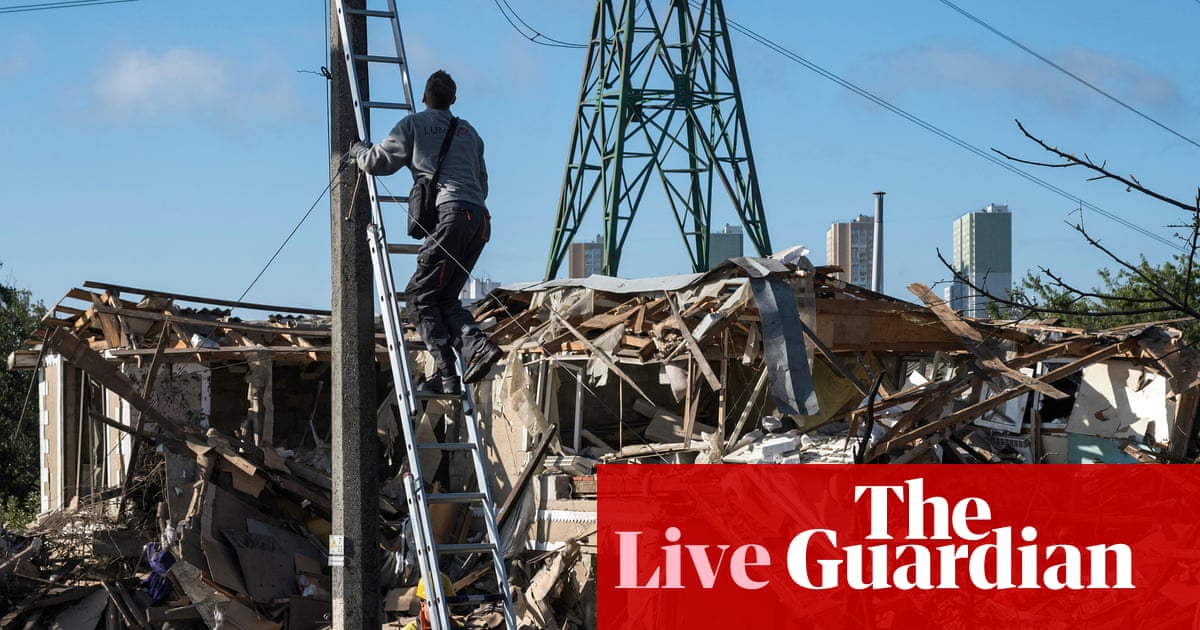
The timing of the declaration coincides with intensifying Russian attacks on Ukraine’s power grid ahead of the winter months, a campaign that has left millions without reliable heating and electricity. Trump’s statement suggested the agreement was already in effect, yet the lack of detailed parameters raised concerns among observers about how such a broad cessation would be monitored or enforced without clear international oversight structures.
President Volodymyr Zelensky responded to the news by stating that he had not been informed of any such arrangement prior to Trump’s announcement. Speaking to media outlets, Zelensky expressed surprise at the unilateral nature of the disclosure but maintained a pragmatic stance regarding potential benefits for his nation. He emphasized that while Kyiv was unaware of negotiations between Washington and Moscow, Ukraine would welcome a genuine halt to Russian strikes on its energy sector.
Zelensky’s conditional acceptance highlights the delicate balance Kyiv must maintain between diplomatic openness and strategic caution. By stating readiness to accept the ceasefire if Moscow complied, Zelensky avoided endorsing an unverified claim while keeping channels open for de-escalation. This approach allows Ukraine to benefit from reduced infrastructure damage without conceding political ground or acknowledging Russian military gains as legitimate bargaining chips.
The push for an energy-focused truce appears connected to broader economic objectives involving global fuel supplies. Reports indicate that the US administration has been urging Kyiv to stop targeting Russian oil facilities, arguing that such strikes disrupt diesel flows needed by American and international markets. In exchange, Washington seeks assurances from Moscow regarding stable energy exports, framing the ceasefire as a means to stabilize commodity prices amid ongoing geopolitical tensions.
Kyiv has previously justified its attacks on Russian energy assets as necessary measures to degrade Moscow’s war-fighting capacity. Ukrainian officials argue that reducing Russia’s revenue stream weakens its ability to sustain prolonged military operations. The proposed ceasefire thus represents a significant shift in strategy, requiring Ukraine to forgo these tactical advantages in favor of protecting its own vulnerable infrastructure from retaliatory strikes.
Uncertainty remains regarding how Russia will interpret and implement the terms of this agreement. Without direct confirmation from Moscow, it is unclear whether Russian forces will cease targeting Ukrainian power plants or if the announcement serves primarily as a diplomatic gesture. The absence of joint statements from all three parties complicates efforts to verify compliance on the battlefield.
As winter approaches, the stakes for Ukraine’s energy security continue to rise. A successful ceasefire could provide critical breathing room for repair crews to reinforce damaged grids and ensure civilian resilience against cold weather. However, if the truce proves fragile or unenforced, the resulting instability may exacerbate humanitarian challenges already facing Ukrainian communities.
International observers are closely monitoring subsequent developments to determine whether this announcement marks a genuine step toward de-escalation or merely another fluctuation in the complex diplomatic landscape surrounding the conflict. The coming days will likely reveal whether concrete actions align with Trump’s declaration, offering clarity on the durability of this newly proposed pause in hostilities.
For now, the situation remains fluid, with Kyiv waiting for further details and Moscow yet to provide substantive commentary. The interplay between energy security, economic interests, and military strategy continues to define the trajectory of the war, leaving all parties navigating a precarious path toward potential stability.
Sources behind this briefing
Go to the original reporting
- The Guardian US↗Donald Trump claims Ukraine and Russia have agreed to ‘energy ceasefire’ – live updates
- BBC News↗Trump says Ukraine and Russia have agreed 'energy ceasefire'