The short version
- A new $6.6 billion shipbuilding facility in Baltimore will be partly funded by the Navy but owned by Anduril Industries, a company founded by major Republican donor Palmer Luckey.
- The project aims to produce components for nuclear-powered attack submarines, though the firm has no previous history in this specialized manufacturing sector.
- Uncertainty remains regarding the nature of the government’s financial stake and whether taxpayers will hold equity in the private entity.
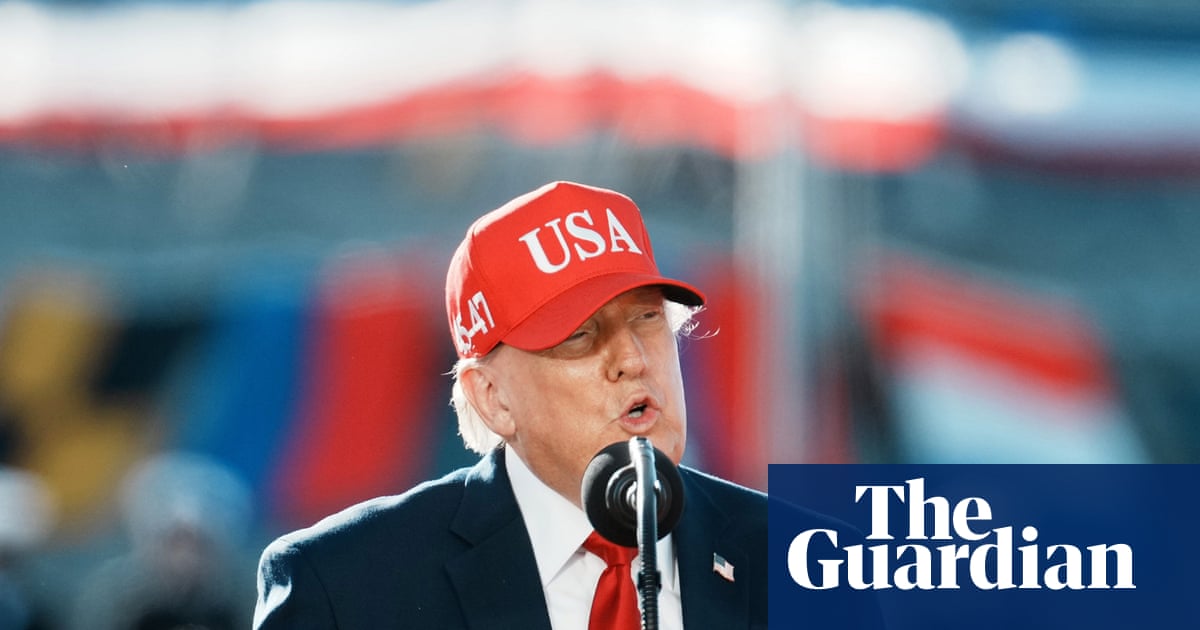
President Donald Trump announced on Tuesday the launch of a major industrial initiative in Baltimore, centered on a new shipbuilding facility valued at $6.6 billion. The project represents a significant shift in defense procurement strategy, as the plant will be owned by Anduril Industries, a private defense contractor, while receiving substantial financial support from the federal government. This arrangement marks a departure from traditional public-sector shipbuilding models, blending state resources with corporate ownership in a manner that has drawn immediate attention from political observers and industry analysts alike.
The facility, designated as Arsenal Two, is located at the Sparrows Point site in Maryland. It is intended to manufacture critical components for Virginia-class nuclear-powered attack submarines, including torpedo tubes and other structural sections. The funding structure involves $2.9 billion from the United States Navy, supplemented by $3.7 billion in private capital. This public-private partnership is framed by administration officials as a method to bypass bureaucratic delays and accelerate production timelines, aligning with the president’s broader goal of expanding naval capabilities through what he has termed a future golden fleet.
Central to this announcement is the role of Palmer Luckey, the founder of Anduril Industries. Luckey is a prominent figure in Republican political circles, having served as a major fundraiser for the party and hosting events for numerous GOP politicians, including Trump himself. Since 2017, he has contributed nearly $6 million to Republican causes. His recent appointment as an adviser to Project Meridien, a Pentagon initiative focused on the future of warfare, further cements his influence within the defense establishment. Despite his close ties to the administration, Luckey was not present at the Tuesday announcement in Maryland.
During the event, Trump referred to Luckey as a friend and praised his intellect, highlighting the personal connections underpinning the business deal. The administration’s enthusiasm for the project is evident in the rhetoric used by senior officials. Acting Navy Secretary Hung Cao described the venture as a breakthrough that eliminates red tape, offering strong endorsements of Anduril despite the company’s lack of prior experience in building manned submarines. Cao’s comments included unconventional warnings to potential adversaries and repeated references to artificial intelligence as super intelligence, reflecting the administration’s broader technological ambitions.
However, significant uncertainties surround the financial mechanics of the deal. Trump stated that US taxpayers would receive a 40 percent stake in the shipyard, but it remains unclear what this entails legally or financially. It is not yet known whether the government will hold an equity share in Anduril Industries itself, as has occurred in other recent public-private ventures, or if this refers to a different form of financial interest. The ambiguity has left questions about the long-term fiscal implications for the federal budget and the nature of the partnership between the Navy and the private firm.
The timeline for production also presents challenges. Anduril has indicated that the facility will not be ready to manufacture ship parts until 2030, suggesting a lengthy ramp-up period before any tangible output is realized. This delay contrasts with the administration’s emphasis on rapid construction and immediate capability enhancements. Furthermore, while Anduril has produced smaller unmanned maritime systems, it has never previously engaged in the highly specialized manufacturing of manned submarine components. The transition from unmanned systems to complex nuclear submarine parts represents a significant technical leap for the company.
The announcement took place at an industrial site that is currently unused, with dozens of uniformed sailors from the USS Billings in attendance. Some naval personnel expressed mixed feelings about the event, with one specialist noting a preference for returning home after deployment rather than participating in the rally. The ship had been rerouted from its scheduled return to Florida specifically for the occasion, highlighting the logistical efforts made to stage the announcement. The presence of active-duty sailors underscored the administration’s attempt to link the new industrial policy directly to military personnel and operational readiness.
As the project moves forward, scrutiny is likely to focus on the oversight mechanisms governing the use of public funds in a privately owned facility. The combination of substantial Navy investment with private ownership raises questions about accountability and profit distribution. Additionally, the rapid elevation of Anduril’s status within the defense sector, coupled with Luckey’s political influence, may invite further examination of how government contracts are awarded and managed. The coming months will likely see detailed disclosures regarding the equity structure and operational plans for Arsenal Two.
The broader implications of this deal extend beyond the immediate construction project. It signals a potential reorientation of US defense industrial policy toward greater reliance on emerging technology firms with strong political connections. Whether this approach yields faster production and innovation, or introduces new risks related to conflicts of interest and financial transparency, remains to be seen. The administration’s commitment to this model will likely face testing as the project progresses from announcement to actual manufacturing.
In the immediate aftermath, attention has turned to how Congress and defense watchdogs will respond to the arrangement. The lack of clarity regarding the taxpayer stake and the firm’s unproven track record in submarine construction provide ample grounds for debate. As Anduril prepares to break ground on its path to 2030 production, the intersection of politics, finance, and national security will remain a focal point for policymakers and the public alike.
Sources behind this briefing
Go to the original reporting
- The Guardian US Politics↗Trump announces $6.6bn defense shipyard owned by top Republican donor’s firm