The short version
- Iran proposed a rapid diplomatic resolution involving the reopening of key shipping lanes and nuclear negotiations, contingent on US sanctions relief.
- President Trump reportedly rejected the initiative, signaling an intent to resume airstrikes following the upcoming midterm elections.
- The conflict continues to disrupt global oil markets while regional tensions escalate with drone interceptions and militia attacks in neighboring countries.
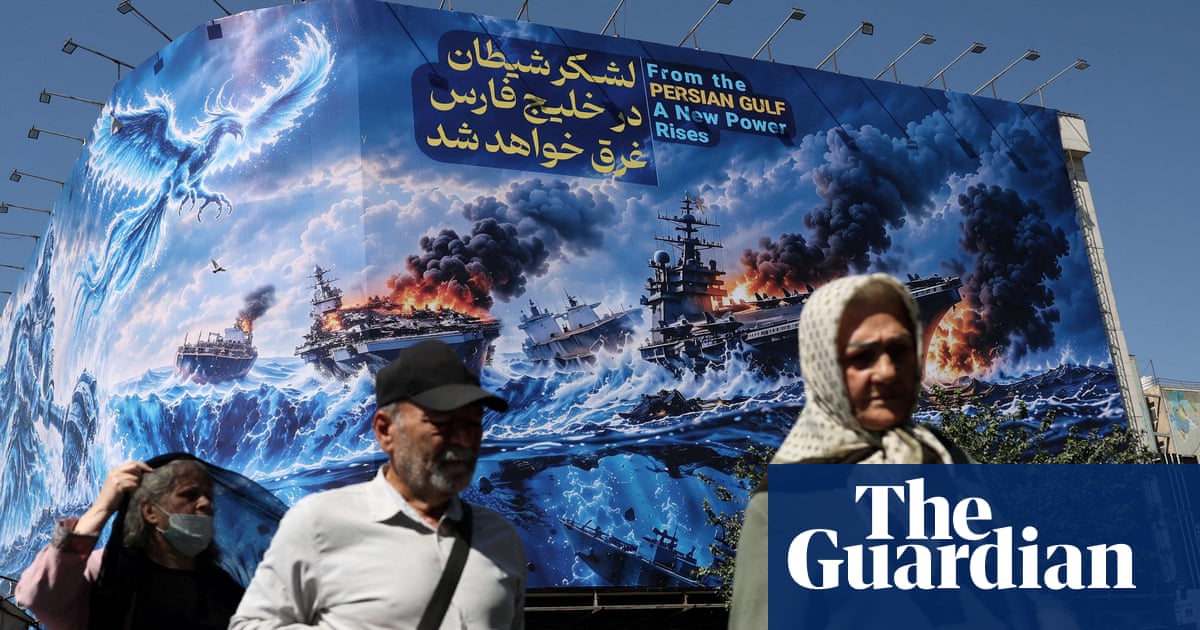
Tehran is currently waiting for a formal response from Washington regarding a significant diplomatic initiative aimed at ending hostilities in the Middle East. Iranian officials presented a plan at the United Nations General Assembly that promises to reopen the Strait of Hormuz and halt fighting within seven days. The proposal was transmitted through Qatari mediators, marking one of the most direct attempts yet to de-escalate the seven-month-old conflict between the US-backed coalition and Iranian forces.
Despite earlier indications from American officials that discussions with Iran were constructive, President Donald Trump has reportedly dismissed the offer. According to reports citing unnamed US government sources, the president remains skeptical of Tehran’s intentions. He has informed his inner circle that he anticipates a renewed bombing campaign against Iranian targets will be more likely after the November midterm elections. This stance suggests a strategic calculation to prioritize domestic political timing over immediate diplomatic resolution.
The Iranian proposal outlines a specific timeline for de-escalation. Foreign Minister Abbas Araghchi explained that initial steps would take four to five days to complete, with the strategic waterway reopening on the sixth day. On the seventh day, formal negotiations regarding Iran’s nuclear program would commence. Tehran conditioned this rapid progress on three main US actions: lifting the naval blockade of Iranian ports, waiving sanctions on Iranian oil exports, and observing a ceasefire that extends to Lebanon.
Iranian leadership has emphasized its willingness to engage in dialogue while maintaining firm boundaries. President Masoud Pezeshkian stated during an interview that Iran is not seeking war but will defend itself against what it characterizes as bullying or coercion. He reiterated that Tehran has already agreed not to develop nuclear weapons and is ready to discuss the program and other issues. However, he made clear that any agreement must be reached without pressure or threats from Washington.
The conflict began in late February with coordinated attacks by US and Israeli forces. Since then, the war has followed a pattern of intermittent pauses followed by renewed strikes. This cycle has resulted in thousands of casualties and significantly degraded Iran’s conventional military capabilities. The ongoing hostilities have also exacerbated an already struggling Iranian economy, creating internal pressure that complicates the government’s ability to negotiate from a position of strength.
Global economic stakes remain high due to the disruption of oil flows through the Strait of Hormuz. One of the world’s most critical shipping lanes has seen reduced traffic, contributing to elevated oil prices and fueling inflation in the United States. Despite these economic pressures, Trump has previously indicated he is not in a hurry to secure a deal. This approach contrasts with the urgent need for stability expressed by international partners and markets dependent on steady energy supplies.
Regional tensions continue to flare even as diplomatic channels are explored. In Yemen, a Saudi-led coalition reported intercepting drones launched by Houthi rebels toward Riyadh. Meanwhile, Iranian-aligned militias in Iraq were blamed for an attack on a pipeline that temporarily removed significant amounts of Saudi oil from the market. These incidents highlight the broader instability affecting the region and the challenges of containing the conflict to direct belligerents.
Uncertainty remains regarding whether hardline factions within Iran’s security apparatus would accept compromises proposed by moderate leaders like Pezeshkian. The dominance of these conservative elements could undermine any tentative agreements reached at the diplomatic level. As the UN General Assembly sessions continue, world powers are closely watching for signs that either side might shift its position, though current indicators suggest a stalemate is likely to persist through the election cycle.
The failure of previous diplomatic efforts underscores the difficulty of ending the war. While Iran has signaled readiness to talk, the US administration’s reported preference for military pressure post-elections creates a significant hurdle. The coming weeks will be critical in determining whether the seven-day proposal gains any traction or if the region faces another wave of violence as political priorities in Washington take precedence over immediate peace.
Sources behind this briefing
Go to the original reporting
- The Guardian World↗Trump reportedly rejects Iran’s seven-day peace deal to reopen strait of Hormuz

