The short version
- Tropical Storm Dolly has formed in the Atlantic Ocean, marking the fourth named system of the 2026 hurricane season.
- Forecasters anticipate that environmental conditions will weaken the storm starting Friday, with no immediate threat to landmasses.
- The National Oceanic and Atmospheric Administration continues to project a below-average season due to El Nino influences.
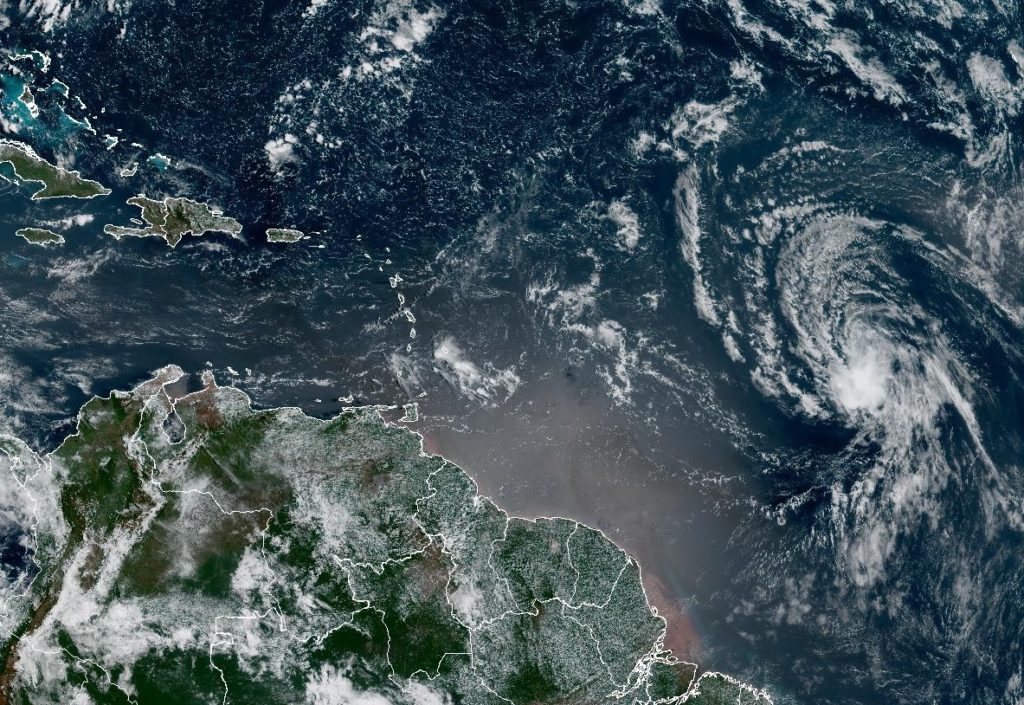
Tropical Storm Dolly officially formed in the Atlantic Ocean on Thursday, becoming the fourth named storm of the 2026 hurricane season. The system developed far from any populated landmasses, posing no immediate danger to coastal communities or inland regions. Meteorologists at the U.S. National Hurricane Center in Miami began issuing regular advisories for the storm shortly after its formation, tracking its movement and intensity as it navigates open waters.
Current forecasts indicate that Dolly is unlikely to strengthen significantly. Environmental conditions expected to emerge by Friday are predicted to be unfavorable for the storm’s survival. High wind shear or dry air intrusion, common factors in storm dissipation, are anticipated to tear the system apart. Consequently, forecasters expect Dolly to fade quickly and lose its tropical characteristics before it can make landfall or impact shipping lanes significantly.
The naming of this storm follows established protocols set by the World Meteorological Organization. Names for Atlantic storms are drawn from predetermined lists that rotate every six years. These lists are alphabetical and alternate between male and female names to ensure consistency and ease of communication. The primary purpose of these names is to simplify warnings and reduce confusion among multiple weather systems, allowing agencies to issue clear directives to the public and emergency responders.
The 2026 Atlantic hurricane season has already seen three other named storms prior to Dolly’s formation. Tropical Storm Arthur made landfall on the U.S. Gulf Coast in June, marking an early start to the active period. In July, Tropical Storm Bertha brought significant rainfall to Louisiana and Texas, causing localized flooding concerns. Earlier in August, Tropical Storm Cristobal formed in the Atlantic but dissipated rapidly without reaching land, similar to the projected path for Dolly.
Despite the formation of four named storms, the overall outlook for the 2026 season remains below average. The National Oceanic and Atmospheric Administration attributes this subdued forecast to the presence of El Nino, a climate pattern that typically suppresses hurricane activity in the Atlantic basin. NOAA predicts a total of eight to fourteen named storms for the entire season. Of those, three to six are expected to reach hurricane strength, with only one to three potentially intensifying into major hurricanes.
The name Dolly has drawn some public attention due to its similarity to the late country music icon Dolly Parton, who passed away earlier in the week. However, meteorological agencies have clarified that there is no connection between the storm’s designation and the celebrity’s death. The naming process is strictly administrative and follows a fixed schedule unrelated to current events or cultural figures. This distinction helps prevent misinformation from spreading during times of heightened public interest.
The World Meteorological Organization carefully selects names to be short, easy to pronounce, and familiar to the regions where they are used. This ensures that warnings can be understood quickly across different languages and cultures. Occasionally, names are retired if a storm causes significant devastation or loss of life, as was the case with Melissa from the 2025 season. That Category 5 hurricane brought severe destruction to the Caribbean, leading to its permanent removal from future lists.
As Dolly moves through the Atlantic, weather agencies will continue to monitor its trajectory and intensity. While the current forecast suggests a quick dissipation, tropical systems can be unpredictable. Residents in coastal areas are advised to stay informed through official channels, even if no direct threat is currently anticipated. The rapid weakening of Dolly serves as a reminder of the variable nature of hurricane seasons, where some storms fizzle out while others pose significant risks.
The broader implications of a below-average season do not eliminate the need for preparedness. Even fewer storms can cause substantial damage if they make landfall in vulnerable areas. The early activity with Arthur and Bertha demonstrated that impacts can occur well before the peak of the season. As Dolly fades, attention will shift to any new disturbances forming in the tropics, keeping the forecast models active through the remainder of August and into September.
In summary, Tropical Storm Dolly represents a brief interlude in the 2026 Atlantic hurricane season. Its formation adds to the count of named storms but does not alter the overall prediction of a quieter year driven by El Nino. The quick dissipation expected for Dolly aligns with the pattern seen in earlier systems like Cristobal, reinforcing the forecasters’ confidence in the seasonal outlook. Monitoring will continue as standard procedure for all tropical developments.
Sources behind this briefing
Go to the original reporting
- PBS NewsHour↗Tropical Storm Dolly forms in the Atlantic

