The short version
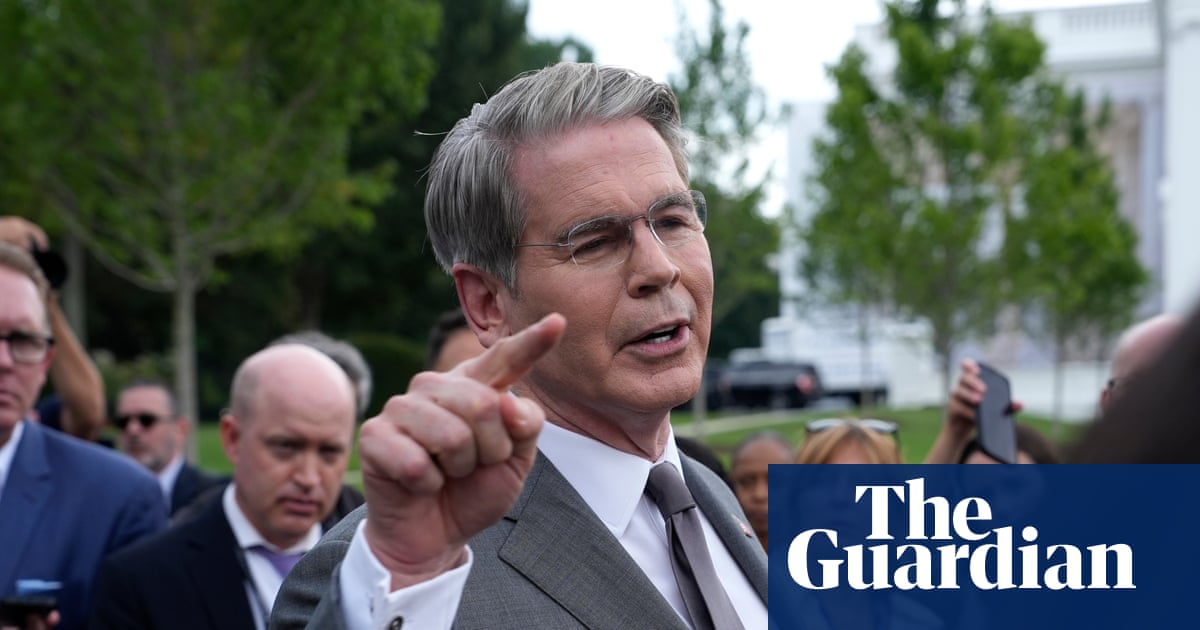
- Treasury Secretary Scott Bessent’s recent attempt to lower bond yields through direct purchases failed as rates quickly returned to previous levels.
- Rising interest costs now consume a larger share of federal spending than defense, straining the budget as national debt reaches $40 trillion.
- The decline in foreign official holdings and increased reliance on private investors has made the treasury market more volatile and less reliable as a safe haven.
The United States government recently attempted to intervene directly in the bond market to stabilize prices, but the effort produced only temporary results. Treasury Secretary Scott Bessent announced a significant increase in government purchases of treasury bonds with the goal of raising their price and lowering yields. This strategy aims to reduce the interest rate the federal government must pay on its outstanding debt. However, the market reaction was fleeting. Yields dropped briefly following the announcement but soon rebounded. By late last week, the yield on the 10-year treasury had returned to levels seen before the intervention. Meanwhile, the 30-year bond yield resumed trading near its highest point in two decades.
The urgency behind this move stems from the escalating cost of servicing federal debt. Since inflation surged in 2022, treasury yields have risen sharply, increasing the financial burden on the government. The national debt has grown to a record $40 trillion. Interest payments are projected to account for 13.5% of all federal spending this year, surpassing defense expenditures and marking a steep increase from 5.2% in 2021. This trajectory places significant pressure on the budget as the government must continue to issue new debt to fund operations.
Higher treasury yields have broader implications for the economy beyond federal finances. These rates serve as benchmarks for mortgage loans and other long-term credit across the country. Elevated borrowing costs have contributed to a stagnation in the housing market and have drawn criticism regarding economic management. President Trump has expressed frustration with high interest rates, describing them as artificially inflated and blaming the Federal Reserve for failing to cut rates. He has also criticized Switzerland for maintaining lower rates and suggested potential restrictions on business with the country, while hinting at unconventional monetary interventions.
The persistent weakness in treasury bonds raises concerns about the United States’ role as a global safe haven. Historically, US government debt has been viewed as a stable store of value for investors, corporations, and governments worldwide. During periods of crisis, including those originating within the US financial system, demand for treasuries typically increased, driving prices up and yields down. This dynamic relied on the perception that US bonds were secure regardless of domestic economic conditions. However, recent market behavior suggests this trust may be eroding.
Structural changes in who holds US debt have altered market dynamics. Between the early 2000s and the 2008 financial crisis, foreign central banks increased their share of outstanding treasuries from approximately 20% to over 30%. By 2008, foreigners held more than half of all treasury bonds. In recent years, however, official holdings from countries like China and Japan have declined significantly. While private foreign investors have absorbed some of this reduction, holding $7 trillion by mid-2025 compared to $3.9 trillion held by official entities, the overall foreign share has dropped by about 10 percentage points over two decades.
The shift toward private investors introduces new risks to the treasury market. Unlike central banks, which hold bonds to maintain financial stability and manage exchange rates, private investors seek returns and are more likely to sell when conditions change. This transition has increased volatility in the market. The supply of treasury bonds has grown rapidly to fund a budget deficit hovering around 6% of GDP. With supply outpacing demand, US debt no longer holds top credit ratings from major agencies and must offer higher yields than many other wealthy nations.
Political uncertainty further complicates the outlook for US debt. During periods of high risk, such as the tariff announcements in April last year, investors sold treasuries rather than buying them as a safe asset. This reaction mirrors behavior typically seen with emerging market bonds rather than established reserve currencies. The combination of large deficits, declining official foreign holdings, and political instability challenges the traditional view of US debt as a bedrock asset.
The government faces the ongoing challenge of funding its deficit, which requires adding approximately $10 billion net to the treasury market each day. This continuous issuance must occur in an environment where investor confidence is fluctuating. If the perception of US debt as a reliable store of value continues to weaken, it could have significant repercussions for global financial stability. The dollar remains the primary mode of exchange for trade and investment, but its complement in the form of stable treasury holdings may be losing its footing.
Market participants are closely watching how these trends evolve. The failure of direct intervention to sustain lower yields indicates that market forces are currently overpowering administrative efforts. As interest costs continue to rise and foreign official participation declines, the structural integrity of the treasury market faces unprecedented tests. The coming months will likely reveal whether these shifts represent a temporary adjustment or a fundamental change in the global financial order.
Policymakers must navigate these challenges without compromising fiscal responsibility or market confidence. The interplay between domestic political pressures and international investor expectations creates a complex landscape for economic management. Ensuring that US debt remains attractive to a diverse range of buyers will be critical for maintaining the country’s financial standing. The current situation underscores the importance of addressing underlying fiscal imbalances while managing market perceptions effectively.
Sources behind this briefing
Go to the original reporting
- The Guardian US↗The treasury bond mess: is this the demise of the US as a safe haven?

