The short version
- Prime Minister Carney characterized ongoing trade talks as nasty but emphasized continued engagement to protect domestic industries.
- President Trump criticized Canadian leadership publicly while threatening new tariffs on a broader range of goods starting in mid-August.
- Existing duties on steel and aluminum have already contributed to rising prices for American consumers and manufacturers.
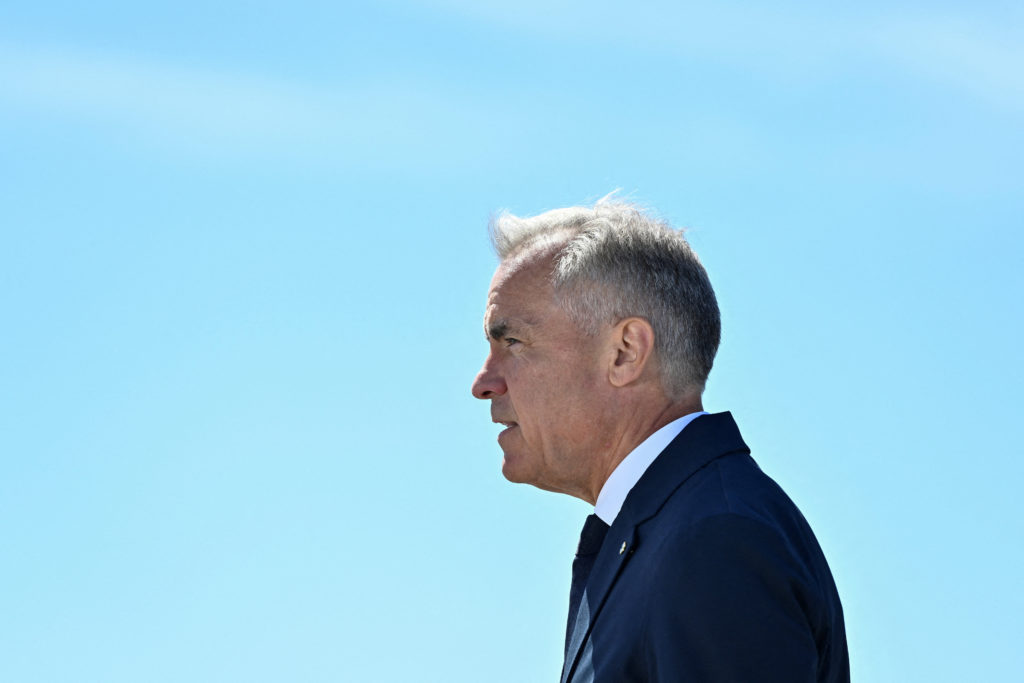
Trade negotiations between the United States and Canada have entered a period of heightened friction, with Canadian Prime Minister Mark Carney describing the current diplomatic climate as nasty. This characterization follows a public critique by President Donald Trump, who derided Canada’s leadership during a speech in Las Vegas. Despite the sharp rhetoric from both sides, Carney indicated that Canadian officials remain committed to the negotiation process, viewing it as essential for safeguarding domestic employment and commercial stability.
The deterioration in tone marks a significant shift in what has traditionally been one of the world’s most integrated economic relationships. Trump’s comments, which included personal attacks on the quality of Canadian governance, were met with measured responses from Ottawa. Carney acknowledged the difficulty of the situation but refused to let the insults derail diplomatic efforts. He framed the conflict not merely as a political dispute but as a critical struggle for the future viability of Canadian businesses and workers.
At the center of this dispute is the threat of expanded tariffs. The United States has already imposed duties on Canadian steel, aluminum, and automobiles. President Trump has signaled intentions to increase these barriers further, proposing a fifty percent tariff on additional Canadian goods effective August 19. These measures are part of a broader strategy aimed at reshaping North American trade dynamics, though the economic implications remain contested among policymakers and analysts.
The rationale behind the tariff expansion is rooted in the administration’s belief that higher import costs will incentivize manufacturing relocation to the United States. However, economic data has yet to substantiate this claim on a large scale. Meanwhile, Canadian officials argue that their countermeasures, including restrictions on certain U.S. alcohol sales in some provinces, are direct responses to existing American tariffs rather than unprovoked aggression. This tit-for-tat dynamic has complicated efforts to reach a comprehensive trade agreement.
The personal nature of the exchange adds another layer of complexity to the negotiations. Tensions have been building since January, when Carney criticized major powers for using economic coercion against smaller nations at the World Economic Forum in Davos. Trump responded sharply, asserting that Canada’s prosperity depends on the United States. This history of mutual criticism suggests that resolving the current impasse will require more than just technical adjustments to trade terms.
For American consumers, the stakes are tangible. Tariffs function as taxes on imports, costs that companies often pass along to buyers in the form of higher prices. Carney pointed out that existing duties on aluminum have already driven up prices by fifty-eight percent in the United States. This inflationary pressure arrives at a time when many Americans are already grappling with high living costs, potentially influencing public sentiment ahead of the November midterm elections.
The political fallout extends beyond economic metrics. Trump’s repeated suggestions that Canada should become the fifty-first state have angered many Canadians, leading to a noticeable decline in travel plans to the United States. This cultural and social distancing reflects a broader erosion of goodwill between the two nations. While trade deals are typically negotiated behind closed doors, the public nature of these disputes has amplified their impact on bilateral relations.
Looking ahead, Canadian negotiators are scheduled to be in Washington this week, with Carney expecting further conversations with Trump. The outcome of these meetings will likely determine whether the current hostility subsides or escalates into a full-blown trade war. Both leaders face domestic pressure to protect their respective economies, but the path forward remains unclear amidst the exchange of sharp words and policy threats.
The situation underscores the vulnerability of global supply chains to political volatility. As the August 19 deadline approaches, businesses on both sides of the border are bracing for potential disruptions. The lack of clear evidence that tariffs will achieve their stated goal of reshoring manufacturing adds uncertainty to the economic outlook. For now, the focus remains on whether diplomatic channels can de-escalate tensions before significant economic damage occurs.
Ultimately, the clash between Carney and Trump highlights the challenges of maintaining cooperative international relations in an era of heightened nationalism. While both leaders claim to act in the best interests of their citizens, the methods employed risk undermining the very economic stability they seek to protect. The coming weeks will be critical in determining whether these trade disputes can be resolved through dialogue or if they will deepen into a prolonged conflict.
Sources behind this briefing
Go to the original reporting
- PBS NewsHour↗Carney says U.S. trade talks are 'nasty' after Trump criticizes Canada's leadership

