The short version
- Forensic testimony indicated that psychiatric medications found in Lindsay Clancy’s blood were not at levels typically associated with suicide attempts or toxicity.
- Jurors reviewed journal entries from the defendant describing intense anxiety, insomnia, and feelings of disconnection prior to the deaths of her three children.
- The case centers on whether Clancy acted with criminal intent or was incapacitated by untreated postpartum psychosis and bipolar disorder.
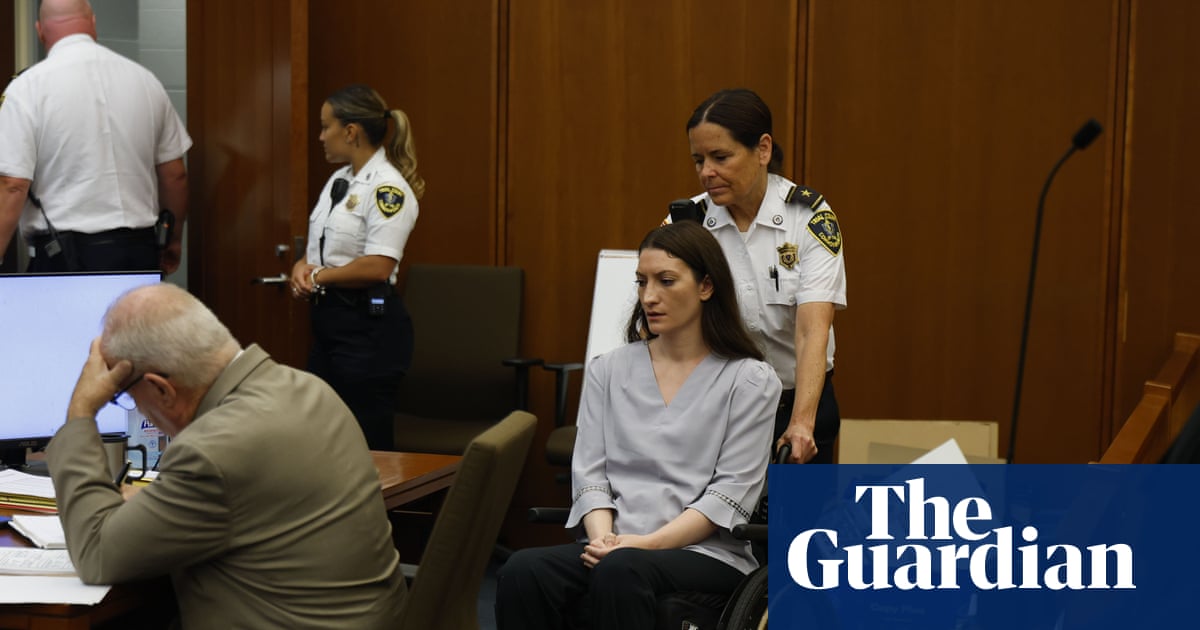
The trial of Lindsay Clancy, a Massachusetts mother accused of killing her three young children in January 2023, advanced with testimony from a forensic toxicologist who analyzed the medications present in the defendant’s bloodstream. Justin Brower, representing NMS Laboratories, detailed the presence of four distinct psychiatric drugs: mirtazapine, lamotrigine, trazodone, and quetiapine. These substances are commonly prescribed for conditions including depression, bipolar disorder, schizophrenia, and severe insomnia. The prosecution argues that Clancy acted with deliberate intent to strangle her children, Callan, Dawson, and Cora, before attempting to end her own life. Conversely, the defense maintains that she was a devoted mother incapacitated by postpartum psychosis and undiagnosed bipolar disorder, exacerbated by a chaotic regimen of psychiatric treatments.
Brower’s analysis focused on whether the concentrations of these drugs suggested an intentional overdose or accidental ingestion. He testified that while quetiapine levels were slightly elevated above prescribed norms, they did not reach what is clinically defined as a toxic or suicidal concentration. Brower noted that individuals attempting suicide typically ingest large quantities of medication, a pattern inconsistent with the blood work presented to the court. However, when questioned by defense counsel, he acknowledged that toxicology results alone cannot provide a complete picture of the defendant’s state of mind or actions at the time of the incident. This limitation underscores the broader challenge for both sides in establishing a definitive narrative regarding Clancy’s mental capacity.
The courtroom proceedings have been marked by emotional volatility, with testimony occasionally halted when witnesses, including Clancy’s ex-husband Patrick and the defendant herself, became overwhelmed. Patrick Clancy has testified regarding his former wife’s deteriorating health, her medication regimen, and the destructive thoughts she expressed in the months leading up to the tragedy. He has also stated that he forgives Lindsay, a sentiment that contrasts with the legal gravity of the charges. If convicted, Clancy faces life imprisonment without the possibility of parole. Alternatively, a verdict of not guilty by reason of lack of criminal responsibility could result in her commitment to a state mental health facility rather than prison.
Jurors were presented with excerpts from Clancy’s personal journals, which offer a stark glimpse into her psychological struggle during late 2022 and early 2023. The entries reveal a woman grappling with severe insomnia, anxiety, and a profound sense of failure in her role as a mother. She wrote about feeling disconnected from her children and husband, struggling to breastfeed, and finding it difficult to return to work as a labor and delivery nurse. One entry from November 2022 expressed desperation for a mental break, noting that her mind was searching for physical ailments to explain her distress. These writings highlight the intense pressure she felt regarding infant care, particularly concerning her newborn’s sleep schedule.
The journals also document escalating despair and confusion about reality. Clancy described experiencing significant brain fog and an inability to plan ahead, living moment to moment in fear of overtiring her infant son. She wrote that hearing him cry for extended periods was nearly unbearable and admitted telling her husband she wanted to die. The entries reflect a cycle of insomnia and anxiety that fueled depression, loss of appetite, and feelings of guilt. Clancy repeatedly expressed a desire for help and wellness, indicating awareness of her deteriorating mental state even as she felt trapped by it. This internal conflict is central to the defense’s argument that she was not acting with malicious intent but was instead overwhelmed by untreated psychiatric conditions.
The timeline of events reveals a critical period in which Clancy sought professional assistance. In late December 2022, she engaged with a postpartum depression program and subsequently checked herself into a psychiatric hospital. During her stay, she reported hearing a male voice commanding her to kill her children so that she could then take her own life. Nineteen days after her discharge from the facility, the killings occurred. This sequence has drawn attention to potential gaps in the diagnosis and treatment of postpartum psychosis. A civil lawsuit filed against caregivers alleges that medical professionals should have recognized the risk posed to both Clancy and her children, given her reports of profound confusion and despair.
The defense contends that Clancy’s condition worsened due to an ever-changing lineup of psychiatric prescriptions administered by various clinicians in the three months preceding the deaths. These medications included antidepressants, sleep aids, antipsychotics, and other agents intended to manage her reported symptoms of insomnia, anxiety, and reality distortion. The rapid shifts in treatment may have contributed to her instability, according to the defense team. This aspect of the case highlights broader systemic issues in how postpartum mental health crises are managed, particularly when patients exhibit signs of severe psychosis but remain in outpatient or transitional care settings.
Following the incident, Clancy survived her own suicide attempt but was left paralyzed. Upon waking in the hospital, she reportedly expressed horror at what had occurred and asked about visitors and her family’s whereabouts. Dr. Jhilam Biswas of Brigham and Women’s Hospital testified to this response, suggesting a level of awareness and distress that complicates the prosecution’s assertion of cold-blooded intent. The juxtaposition of her immediate reaction with the earlier journal entries creates a complex portrait of a woman who may have been trapped in a psychotic episode rather than acting with premeditated malice. As the trial continues, the jury must weigh these conflicting accounts to determine whether Clancy bears criminal responsibility or requires medical intervention.
The case has sparked wider discussion about the adequacy of support systems for mothers experiencing postpartum psychosis. The gap between Clancy’s hospitalization and the subsequent tragedy raises questions about discharge protocols and follow-up care for patients exhibiting homicidal ideation. While the prosecution focuses on the intentional nature of the acts, the defense emphasizes the medical context and the failure of the healthcare system to intervene effectively. The outcome will not only determine Clancy’s fate but may also influence how similar cases are evaluated in terms of criminal culpability versus mental health treatment. The court remains attentive to the delicate balance between justice for the victims and understanding the underlying psychiatric factors.
As testimony continues, the jury is tasked with reconciling the forensic evidence with the personal narratives presented through journals and witness accounts. The toxicology report provides a scientific baseline but does not resolve the central question of intent. The emotional weight of the case is evident in the courtroom dynamics, where even factual testimony can trigger strong reactions from those involved. The proceedings underscore the difficulty of adjudicating crimes that occur within the context of severe mental illness. Ultimately, the verdict will hinge on whether the jury accepts the defense’s characterization of Clancy as a victim of untreated psychosis or the prosecution’s view of her as a perpetrator who made conscious choices.
Sources behind this briefing
Go to the original reporting
- The Guardian US↗Lindsay Clancy murder trial: toxicologist testifies about medications found in defendant’s blood

