The short version
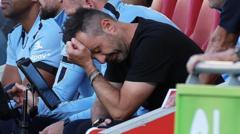
- Tottenham Hotspur suffered a decisive defeat against Brentford in their opening Premier League match of the season, exposing significant tactical and mental vulnerabilities.
- Manager Roberto De Zerbi attributed the poor performance to physical conditioning issues among new signings and World Cup participants, though critics point to a lack of competitive spirit.
- The loss raises concerns that despite nearly £400 million in transfer spending, the club has not yet addressed the underlying cultural problems that led to two consecutive 17th-place finishes.
Tottenham Hotspur began their Premier League campaign with a stark reminder that financial resources do not automatically translate into on-pitch success. A heavy defeat at Brentford’s Gtech Community Stadium served as an immediate test for manager Roberto De Zerbi, who has overseen a massive squad overhaul. The result underscored the difficulty of instilling resilience in a team that has struggled with consistency and mental fortitude in recent seasons.
The match itself was a comprehensive display of Brentford’s dominance over a Tottenham side that appeared disjointed and physically outmatched. Brentford took control early, with Keane Lewis-Potter opening the scoring after just twelve minutes. Vitaly Janelt doubled the lead before halftime, effectively neutralizing any momentum Spurs might have hoped to build. The final scoreline reflected the disparity in performance, with Michael Kayode adding a third goal in the second half, prompting some supporters to leave the stadium well before the final whistle.
De Zerbi introduced four new signings on their debut: Andrew Robertson, Marcos Senesi, Jan Paul van Hecke, and Sandro Tonali. None of these players made a significant positive impact, with Tonali, who cost £100 million, appearing particularly outshone by Brentford’s Mamadou Sangare. The Italian midfielder struggled to impose himself in the center of the park, offering little in terms of defensive stability or creative distribution. His only notable action was a misplaced shot that sailed wide, drawing criticism from opposing fans who questioned the value of such a high-profile acquisition.
The manager pointed to physical conditioning as a primary factor in the poor performance. Many players had recently returned from international duty during the World Cup, while others were still integrating into the squad. De Zerbi suggested that this lack of readiness affected their ability to compete in duels and maintain intensity throughout the match. However, observers noted that the issues extended beyond fitness, citing a noticeable absence of fight and determination when facing pressure.
The atmosphere at the stadium reflected the shifting fortunes of the game. Early optimism from Tottenham supporters, who had welcomed the new recruits with enthusiasm, faded as the match progressed. By the time Brentford reached a three-goal lead, a significant portion of the crowd had departed, leaving large sections of the stands empty. The contrast between the initial hope and the eventual disappointment highlighted the fragility of the team’s current standing.
De Zerbi’s previous tenure at the club involved a critical period where he was tasked with keeping Tottenham in the top flight over seven games. He succeeded narrowly, securing survival with a late victory against Everton. This achievement demonstrated his ability to manage crisis situations, but it also revealed the underlying weaknesses of the squad. The current rebuild aims to prevent a repeat of those struggles, yet the opening match suggests that the fundamental issues remain unresolved.
The financial scale of Tottenham’s investment is considerable, with spending approaching £400 million as the transfer window closes. This level of expenditure was intended to provide a competitive edge and ensure stability in the league standings. However, the performance against Brentford indicated that money alone cannot buy mental strength or tactical cohesion. The team appeared vulnerable to aggressive pressing and lacked the resilience to recover from early setbacks.
Looking ahead, De Zerbi faces the challenge of addressing both physical and psychological aspects of his squad’s development. Integrating new players while maintaining competitive intensity will be crucial for improving results. The upcoming fixtures will provide further opportunities to assess whether the team can adapt and respond to the demands of the Premier League. For now, the opening defeat serves as a cautionary tale about the complexities of rebuilding a top-tier football club.
The presence of notable spectators, including musician Jon Bon Jovi, added a layer of public interest to the match, but it did little to alter the outcome. The performance was widely regarded as uncharacteristic of a team with such high expectations. As the season progresses, the focus will shift to whether De Zerbi can implement changes that address the root causes of the defeat rather than merely treating the symptoms.
Ultimately, the match highlighted the gap between ambition and execution. Tottenham’s supporters and management alike are aware that past failures cannot be erased by transfers alone. The path forward requires a combination of tactical discipline, physical preparation, and mental toughness. Whether De Zerbi can deliver on these fronts remains to be seen, but the opening weekend provided little reason for immediate optimism.
Sources behind this briefing
Go to the original reporting
- BBC News↗De Zerbi learns cash alone cannot fix Spurs' losing mentality

