The short version
- General Dan Caine stated in a letter that there are no plans to deploy federal military personnel or National Guard members to polling places during the November midterms.
- The confirmation addresses requests from Senator Elissa Slotkin, who raised concerns after President Trump suggested he had not ruled out sending agents to election sites.
- Federal law strictly limits armed force deployment at elections to repelling enemies, though uncertainty remains regarding the Defense Secretary's official response.
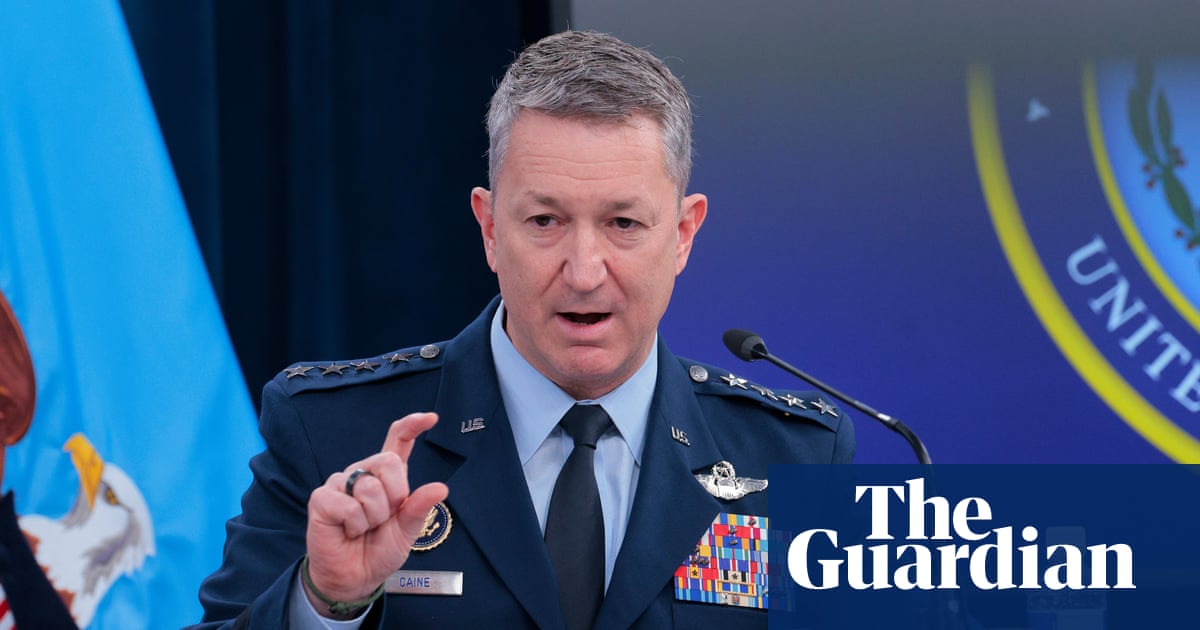
The highest-ranking officer in the United States military has formally dismissed the possibility of deploying troops to polling locations during the upcoming midterm elections. General Dan Caine, chair of the Joint Chiefs of Staff, wrote to Senator Elissa Slotkin confirming that the Joint Force has no intention of sending federal military personnel or federalized National Guard members to election sites. This clarification arrives amid heightened anxiety among Democratic lawmakers regarding potential executive branch interference in the voting process.
Caine’s correspondence explicitly states that there are also no plans to utilize such personnel for seizing ballots, voting machines, or other materials related to the administration of elections. The general further noted that he has not received, nor does he anticipate receiving, any unlawful orders concerning the role of the military in the November contests. This direct assurance aims to quell fears that the armed forces might be leveraged to influence election outcomes or disrupt local procedures.
Senator Slotkin, a Democrat serving on both the Senate Armed Services and Homeland Security committees, initiated this inquiry after President Donald Trump urged Republicans to nationalize elections. The president had previously indicated he had not ruled out deploying National Guard members or immigration enforcement agents to polling places. Slotkin sought confirmation from both Caine and Defense Secretary Pete Hegseth, setting an August 28 deadline for their responses.
While Caine’s letter provides a clear boundary regarding military involvement, the response from the Pentagon remains incomplete. Sonja Thrasher, Slotkin’s press secretary, indicated that her office had not yet received a reply from Secretary Hegseth as of the reporting date. The Pentagon did not immediately respond to inquiries regarding the status of Hegseth’s answer, leaving a gap in the official record from the civilian leadership of the Department of Defense.
The concerns driving Slotkin’s request stem from recent actions by the Trump administration that have alarmed Democratic leaders. Anxiety has grown particularly after the president deployed federal agents into states led by Democrats, often over the objections of local officials. Slotkin told the Associated Press earlier in August that the administration appears to be laying groundwork to claim the elections were stolen, citing past behavior as evidence of this strategy.
Slotkin pointed to specific historical precedents to support her worries. She noted that Trump contemplated using the military to seize voting machines following his loss in 2020. Additionally, he has deployed the National Guard to cities against the wishes of Democratic leaders and sent active-duty Marines to Los Angeles during an immigration crackdown in 2025. These actions have contributed to a perception that the administration may blur the lines between civilian law enforcement and military authority.
Legal frameworks provide significant constraints on such deployments. Federal law prohibits the use of armed federal forces at election locations unless it is necessary to repel armed enemies of the United States. Consequently, if any military element were to become involved in election security, it would likely be the National Guard operating under state control rather than federal command. This distinction is crucial for understanding the limits of executive power in this context.
The current situation echoes events from the 2020 election cycle. At that time, General Mark Milley, then chair of the Joint Chiefs, responded to a similar letter from Slotkin, who was a congresswoman. Milley emphasized his belief in an apolitical military and stated that courts and Congress, not the armed forces, are required by law to resolve election disputes. Caine’s recent letter reinforces this longstanding principle, even as political tensions surrounding election integrity remain high.
Despite these assurances from the top military commander, questions persist about the administration's broader approach to election oversight. White House Chief of Staff Susie Wiles previously denied in a Vanity Fair interview that Trump would use the military to suppress voting in the midterms. However, the lack of a definitive response from Defense Secretary Hegseth leaves some uncertainty regarding the full extent of the administration's intentions and protocols.
As the November elections approach, the focus remains on ensuring compliance with federal law and maintaining the separation between military operations and civilian electoral processes. Slotkin’s continued engagement highlights the ongoing scrutiny of executive actions that could impact voting rights. The coming weeks will likely see further developments as lawmakers monitor any shifts in policy or deployment strategies ahead of Election Day.
Sources behind this briefing
Go to the original reporting
- The Guardian US Politics↗US military has no plans to send troops to midterm polling sites, Dan Caine says