The short version
- Tom Six has released a homemade documentary titled The End of Tom Six, which he identifies as his final cinematic project.
- The filmmaker details his diagnosis of multiple sclerosis in 2020 and subsequent six-year period of isolation in Amsterdam.
- Six attributes the acceleration of his condition to stress over the failure to distribute his previous film, The Onania Club.
Tom Six, the Dutch filmmaker known for creating the controversial horror franchise The Human Centipede, has announced that a new homemade documentary will serve as his final film. Titled The End of Tom Six, the project offers an unvarnished look at the director’s recent years, which he describes as a period of complete withdrawal from public life. The film is scheduled for release on YouTube later this month under a pay-what-you-want distribution model, marking a significant departure from traditional theatrical or streaming releases.
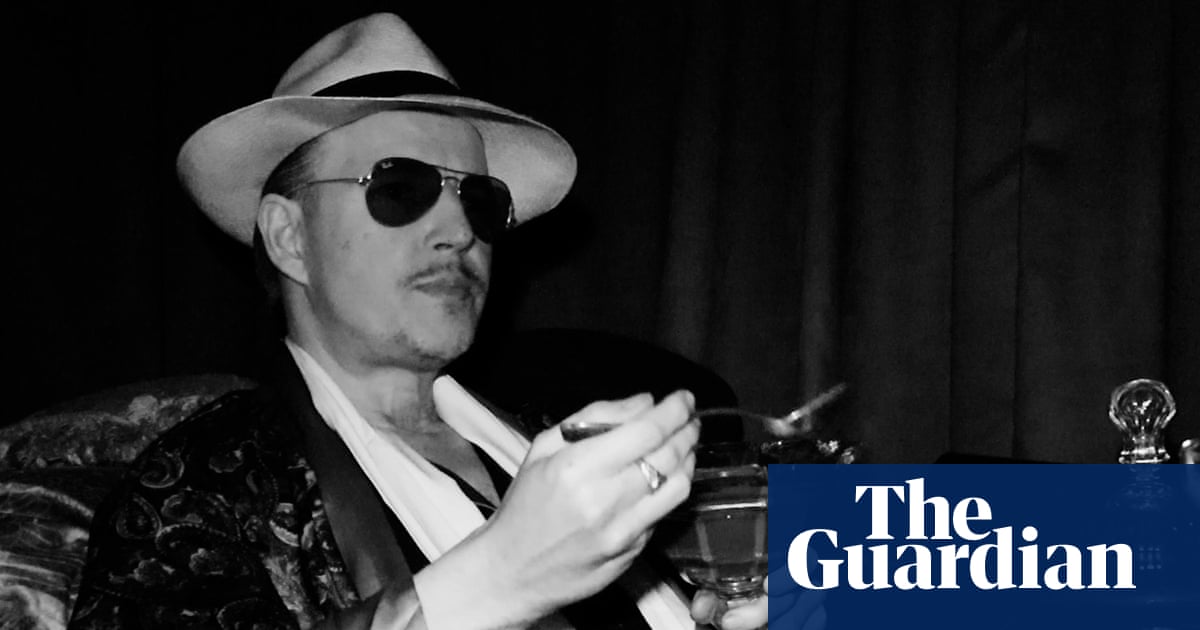
In the documentary, Six reveals that he has been living in a darkened apartment in Amsterdam for six years following a diagnosis of multiple sclerosis in 2020. He characterizes his lifestyle during this time as that of a 'full-blown recluse,' noting that he rarely leaves his home except for occasional nighttime visits to a nearby cafe. The neurological disease, which affects the brain and spinal cord, has reportedly caused severe physical decline, with Six stating in the film that he can no longer walk and must move through his residence by crawling.
The director connects the progression of his illness directly to professional setbacks, specifically citing the stress associated with failing to secure a distributor for The Onania Club. Released as a trailer in 2018, that project centered on wealthy women aroused by extreme human suffering and contained references to global elite conspiracies. Six claimed the film would have surpassed the cultural impact of his earlier work but remained unreleased due to industry resistance.
Six’s previous films established him as a polarizing figure in modern horror cinema. The original The Human Centipede, released in 2009, depicted a scientist surgically connecting three tourists mouth-to-anus. While the film achieved modest box office returns, its central premise became embedded in global pop culture, referenced in animated series such as South Park and The Simpsons. Two sequels followed in 2011 and 2015, expanding the narrative into what Six termed a 'movie centipede.'
The new documentary features Six playing both himself and an interviewer, creating a self-reflexive structure that critiques contemporary film industry norms. He expresses frustration with what he describes as 'woke cowardice' and 'safe-space crybabies,' blaming these cultural shifts for the commercial failure of his later projects. A recurring character in the film, dressed in an SS uniform and labeled a 'censor nazi,' interrupts the interview to highlight scenes that would require editing or trigger warnings in a mainstream context.
Six describes his daily routine during his isolation as one of deliberate self-indulgence and decay. He reports spending time on a Chinese opium bed while wearing silk pajamas, consuming opioids, smoking Havana cigars, and watching film noir movies. His diet consists largely of chicken curry, chocolate mousse, and peanut butter. He contrasts this lifestyle with the typical advice given to multiple sclerosis patients, who are often encouraged to maintain healthy eating habits and exercise regimens.
The filmmaker stated that he chose not to disclose his medical condition immediately after diagnosis because he dislikes being perceived as a victim or receiving pity. Instead, he embraced what he called a 'strong appetite for self-destruction' and a 'black belt in ego demolition.' This approach appears to inform the tone of the documentary, which blends personal confession with broader cultural criticism.
Maartje Willems, the producer working on the project, issued a statement accompanying the film’s release. She noted that the prolonged battle against industry barriers accelerated Six’s disease and severely damaged his physical health. According to Willems, the filmmaker is now nearing the end of his life, underscoring the gravity of the documentary’s title and its role as a final artistic statement.
The release of The End of Tom Six arrives at a time when discussions around content moderation and creative freedom remain contentious in Hollywood. While Six frames his struggles as a result of censorship and political correctness, critics may view the film as an example of provocative shock tactics similar to those that defined his earlier career. Regardless of interpretation, the documentary provides a rare glimpse into the personal toll of professional rejection for a filmmaker known for pushing boundaries.
As the film becomes available online, audiences will be able to assess Six’s claims about industry practices and his personal decline. The pay-what-you-want model allows viewers to determine the value of the content themselves, mirroring the independent spirit that characterized his early work. Whether viewed as a genuine farewell or another calculated provocation, the documentary marks the end of an era for one of horror cinema’s most divisive voices.
Sources behind this briefing
Go to the original reporting
- The Guardian US↗Human Centipede director Tom Six reveals multiple sclerosis diagnosis in ‘final film’

