The short version
- Tokyo has experienced a historic 35-day stretch of rain, nearly tripling normal September precipitation levels.
- The prolonged wet weather has driven up vegetable prices and impacted public health due to humidity and lack of sunlight.
- Experts attribute the conditions to El Niño and climate change, though direct causal links remain complex to establish.
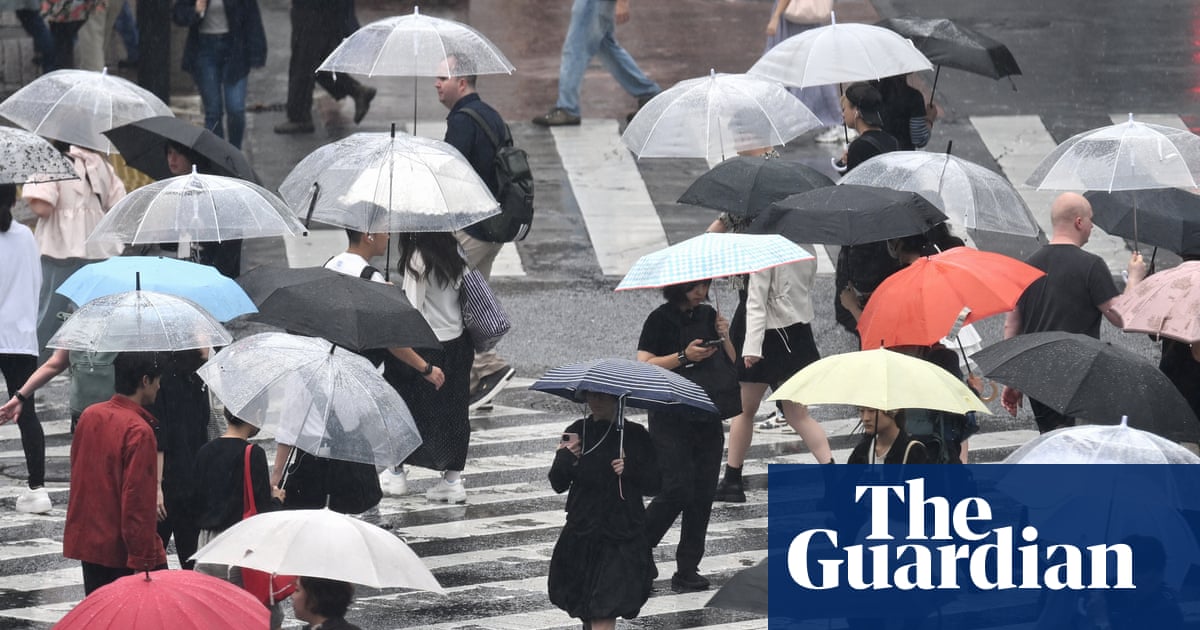
Residents of Tokyo have faced an unbroken sequence of rainfall for 35 consecutive days, marking the longest such streak since record-keeping began in 1886. This meteorological anomaly has drenched the central part of the city with 629 millimeters of water from early September through late September, a volume nearly three times the typical amount for this period. The persistent downpours have resulted in only 45.8 hours of daylight during the same timeframe, ranking as the second-lowest total on record. Fourteen days within this span saw absolutely no sunshine, contributing to a pervasive sense of gloom among the population.
The immediate impact on daily life has been significant and widespread. Many residents report an inability to dry laundry at home, forcing frequent trips to commercial launderettes. Social media platforms have filled with complaints regarding "rain fatigue," with users expressing frustration over the endless precipitation. Some individuals have linked their low mood directly to the weather conditions, noting that the persistent dampness is taking a toll on mental well-being. The cultural resonance of the event has been noted by public figures, including musicians who have commented on the unusual duration of the wet weather.
Health professionals are also observing the physical effects of the prolonged atmospheric conditions. Hiromichi Ito, a clinic director in the capital, indicated that the combination of continuous rain, low atmospheric pressure, and high humidity can trigger various symptoms. These include headaches and dizziness, which have become more common complaints among patients. The lack of sunlight and the oppressive humidity create an environment that exacerbates these physical ailments, adding another layer of difficulty for those already struggling with the inconvenience of the weather.
Agricultural sectors near Tokyo are facing economic repercussions due to crop damage caused by the excessive moisture. Leafy greens and other vegetables have seen sharp price increases in supermarkets. For instance, the cost of a single head of lettuce has more than doubled in some stores, reaching 450 yen. This inflation in food prices reflects the broader supply chain disruptions stemming from the inability of farmers to harvest or protect their crops during the extended rainy period. The financial strain on households is compounded by these rising grocery costs.
Meteorological experts are analyzing the drivers behind this extreme weather pattern. The Japan Meteorological Agency has pointed to a combination of factors, including El Niño and broader climate change trends. El Niño has contributed to a prolonged high-pressure front in the Pacific Ocean, which influences weather patterns across the region. While officials acknowledge that global warming is affecting Japan’s weather long-term through increased precipitation, they caution against establishing a direct, singular causal link between climate change and this specific 35-day streak.
The current situation follows a summer marked by regular heavy downpours and flooding in parts of the region. Earlier in September, Typhoon Dujuan caused significant damage in neighboring Chiba prefecture, resulting in eight deaths and the destruction of dozens of homes. The pattern of extreme weather continues as another typhoon, the 26th of the season, moves toward the Kanto region. Meteorologists warn that this system could brush against Tokyo, potentially bringing more rain to an area already saturated by weeks of continuous precipitation.
Historical context underscores the severity of the current event. The previous record for consecutive rainy days in Tokyo was 33 days, occurring between late June and late July 2019. This year’s streak has surpassed that benchmark, highlighting a shift in weather norms. Autumn rain fronts are reportedly staying longer than usual, according to agency officials. This deviation from typical seasonal patterns suggests a broader trend of intensifying extreme weather events linked to the climate crisis.
Looking ahead, the outlook remains uncertain as El Niño continues to warm the Pacific Ocean. This warming is expected to intensify extreme weather patterns, potentially leading to further disruptions in Tokyo and surrounding areas. The Japan Meteorological Agency will continue to monitor the situation closely, providing updates on potential typhoon impacts and rainfall forecasts. For now, residents must adapt to the ongoing challenges posed by the record-breaking wet weather, with no immediate end in sight for the relentless rain.
The intersection of climate science and daily experience is becoming increasingly apparent in Tokyo. As global temperatures rise, the frequency and intensity of such weather anomalies may increase. The current 35-day streak serves as a stark reminder of the vulnerabilities faced by urban centers in the face of changing climate dynamics. Policymakers and city planners will need to consider these trends when developing strategies for resilience and adaptation in future years.
In summary, Tokyo’s record rainfall has had far-reaching effects on health, economy, and daily routines. The combination of El Niño and climate change has created a perfect storm of conditions that have led to this historic weather event. As the city navigates these challenges, the broader implications for climate policy and urban planning become increasingly relevant. The coming weeks will be critical in determining how well Tokyo can withstand and recover from such extreme weather patterns.
Sources behind this briefing
Go to the original reporting
- The Guardian US↗Tokyo succumbs to ‘rain fatigue’ after a record 35 consecutive days of showers


