The short version
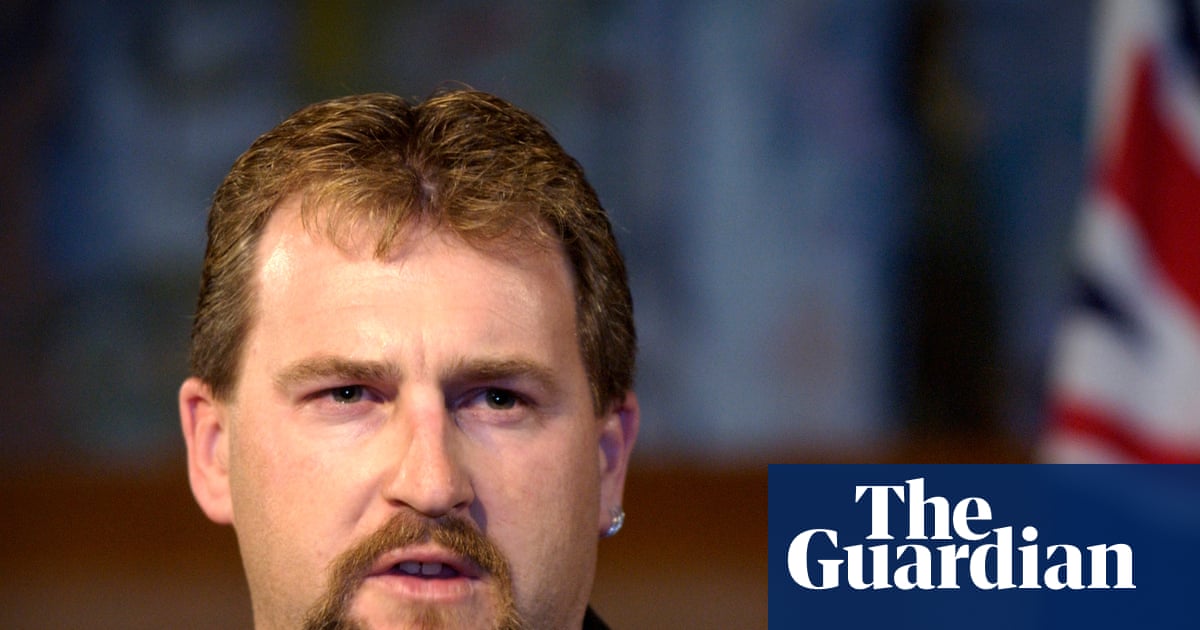
- Todd Russell, one of the two miners rescued from the 2006 Beaconsfield goldmine collapse, has died at age 54 following a recent announcement regarding his deteriorating health.
- Russell had become a prominent advocate for mental health awareness after publicly discussing his struggles with post-traumatic stress disorder and depression in the years following the disaster.
- Tasmanian Premier Jeremy Rockliff led tributes to Russell, highlighting his 31-year career with the local fire brigade and his role as a community servant beyond his survival story.
Todd Russell, one of the two miners famously rescued from the Beaconsfield goldmine collapse in Tasmania, has died at the age of 54. His passing follows a recent public announcement that he was returning home to spend his remaining time with friends and family after enduring a prolonged period of declining health. The news marks the end of a life defined by both extraordinary survival and a subsequent, open struggle with the psychological aftermath of trauma.
The Beaconsfield disaster in 2006 remains one of Australia’s most significant mining incidents. A minor earthquake triggered a collapse that buried Russell and his colleague, Brant Webb, under thousands of tonnes of rock and debris deep underground. While another miner, Larry Knight, died in the incident, fears were high that Russell and Webb had also been entombed. Rescuers eventually located the pair alive five days later using thermal imaging cameras, discovering them trapped in a safety cage nearly one kilometer below the surface.
The rescue operation that followed became a national focal point, drawing global attention to the technical challenges of freeing men from such extreme depths. Russell and Webb survived on limited supplies, including a shared cereal bar and water seeping through the rock, until food could be lowered via pipe. After two weeks underground, both men were successfully extracted, emerging to embrace their loved ones in scenes that resonated across the country and solidified the event as a moment of national unity.
In the years following his rescue, Russell faced significant personal challenges. In a 2024 interview with the ABC’s I Was Actually There podcast, he discussed the long-term impact of the disaster on his mental health and personal relationships. He described developing post-traumatic stress disorder and depression, noting that recovery was not linear. He credited his then-wife, Carolyn, with encouraging him to seek professional help, acknowledging that while some days were manageable, others were triggered by memories or emotions associated with the event.
Russell’s advocacy extended beyond personal healing; he became a voice for mental health awareness in mining communities and broader society. Tasmanian Premier Jeremy Rockliff highlighted this contribution in his tributes, noting that Russell did not let the disaster define him entirely. Instead, he continued to serve his community, maintaining a 31-year career with the Beaconsfield fire brigade until February of this year. His willingness to share his story was praised as an effort to make the community around him better and more resilient.
Earlier this month, Russell announced that he had started hospital treatment for an undisclosed illness in 2025. By November, he stated that the cumulative toll of years of pain, uncertainty, medical appointments, and emotional exhaustion had left him with little energy remaining. He expressed a desire to step away from the cycle of treatment and setbacks to focus on his family, including his one-year-old granddaughter, whom he described as a source of joy and focus in his final days.
The Premier’s social media tribute emphasized the national significance of Russell’s survival, describing the two-week rescue effort as an event that stopped the nation. However, Rockliff also underscored Russell’s identity beyond the mine collapse, celebrating his decades of service to the fire brigade and his role as a friend and advocate. The tributes reflect a community mourning not just a survivor of a historic disaster, but a dedicated public servant who faced his later years with honesty about his struggles.
Russell’s death closes a chapter in the ongoing narrative of the Beaconsfield mine collapse, an event that reshaped safety protocols and public understanding of mining disasters in Australia. His journey from underground entrapment to mental health advocacy offers a complex portrait of survival, illustrating both the physical resilience required to endure catastrophe and the enduring psychological costs that can follow. His legacy remains tied to both the miracle of his rescue and his candid efforts to help others navigate similar traumas.
As the community reflects on Russell’s life, attention turns to the broader implications for survivors of industrial accidents and natural disasters. The intersection of physical survival and mental health recovery remains a critical area of study and support. Russell’s story serves as a reminder that rescue is only the beginning of a longer journey, one that requires sustained care, community support, and honest dialogue about the invisible wounds of trauma.
The funeral arrangements and further details regarding memorial services have not yet been widely publicized, consistent with Russell’s recent desire for privacy during his final days. Friends, family, and colleagues are expected to gather in the coming weeks to honor his memory, celebrating a life that encompassed both extraordinary endurance and quiet dedication to service. His passing leaves a void in the Tasmanian community, where he was known as both a hero of 2006 and a steadfast neighbor.
Sources behind this briefing
Go to the original reporting
- The Guardian World↗Todd Russell, Beaconsfield mine collapse survivor, dies aged 54 due to illness


