The short version
- Italian director Tinto Brass died at age 93, ending a career that spanned experimental shorts to controversial erotic features.
- Brass viewed sexual content as essential for portraying women and exploring the intersections of sex, power, and money.
- His most famous work, Caligula, remains a subject of contention due to unauthorized additions by producer Bob Guccione.
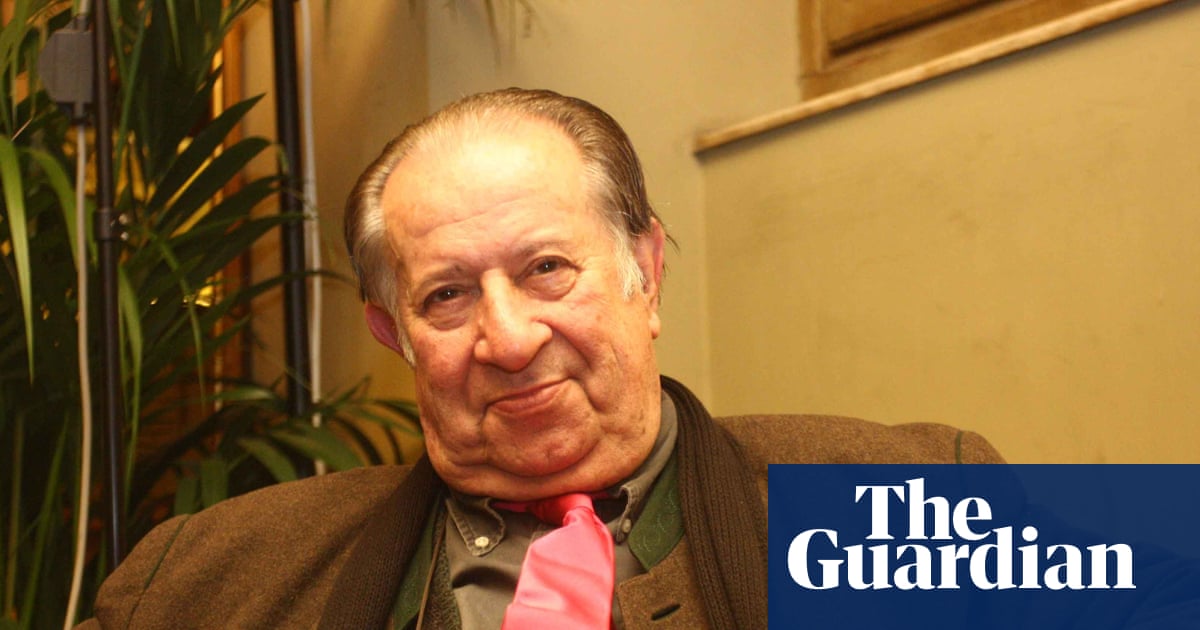
Tinto Brass, an influential Italian filmmaker whose career bridged experimental art cinema and provocative erotic features, has died at the age of 93. His wife, Caterina Varzi, along with their children Bonifacio and Beatrice, confirmed the news to Italian press agency Ansa on Wednesday. Brass was a distinctive figure in European film history, initially recognized for his avant-garde techniques before becoming synonymous with the erotic genre that defined much of his later output.
Born in Milan and raised in Venice, Brass began his professional journey in Paris, working as an editor and archivist at the Cinémathèque. Upon returning to Italy, he served as an assistant director to Roberto Rossellini, a role that helped shape his early aesthetic sensibilities. His unconventional and anarchic style quickly garnered attention, leading to commissions such as two short films for the Triennale di Milano in 1964, created at the request of Umberto Eco to experiment with visual language.
During the 1970s, Brass shifted his focus toward erotic cinema, a move that significantly altered his public perception. While some critics dismissed his work as crass or overly explicit, Brass maintained that these films were politically charged examinations of how sex, power, and money intersected in society. He articulated this philosophy to La Repubblica, stating that he believed eroticism was a fundamental key to human expression and, most importantly, the primary method for portraying women authentically.
One of his earlier notable works, Salon Kitty, released in 1976, explored dark historical themes through the lens of 'Nazisploitation.' The film depicted a Berlin brothel utilized by Nazi officials to spy on foreign allies and fellow officers. This project caught the eye of Bob Guccione, the founder of Penthouse magazine, who would later become Brass’s most significant and contentious collaborator.
Guccione hired Brass in 1979 to direct Caligula, an ambitious attempt to produce a mainstream pornographic film with high production values and a star-studded cast. The project featured Malcolm McDowell in the title role, alongside Helen Mirren, Peter O’Toole, and John Gielgud. Based on a screenplay by Gore Vidal, the film was intended to dramatize the life of ancient Rome’s notorious emperor. However, Brass rewrote the script to include extensive nudity, orgies, and symbolic imagery, diverging significantly from Vidal’s original vision.
The production of Caligula became fraught with conflict. Guccione filmed additional unsimulated hardcore sex scenes without Brass’s knowledge or consent and spliced them into the final cut. Both Vidal and Brass disavowed the released version, which premiered in the United States and United Kingdom in 1980. Brass received credit only for 'principal photography,' reflecting his estrangement from the final product. The controversy surrounding the film has persisted for decades, highlighting the tension between artistic intent and commercial exploitation.
In recent years, efforts have been made to restore Brass’s original vision for Caligula. A recut version, excluding Guccione’s inserted scenes, was released in 2023. However, Brass was not involved in this restoration and did not approve of the new cut, underscoring his enduring dissatisfaction with how his work had been manipulated. Despite these controversies, Brass remained a respected figure within certain circles of cinema, particularly for his early experimental contributions.
In his later life, Brass resided in Isola Farnese, on the outskirts of Rome. He was survived by his wife Varzi, whom he married in 2017 and who curated his extensive film archive. Reflecting on his roots during an interview for his 90th birthday, Brass expressed a desire for his ashes to be scattered in the Venice lagoon, returning to the waters of his childhood home. His death marks the end of an era for Italian cinema, leaving behind a body of work that continues to provoke discussion about censorship, artistic freedom, and the representation of sexuality in film.
Brass’s legacy is multifaceted, encompassing both acclaim for his early experimental work and criticism for his later erotic films. While some view him as a pioneer who challenged societal norms regarding sex and power, others see his work as emblematic of the commodification of female bodies. Regardless of perspective, his impact on European cinema remains undeniable, influencing generations of filmmakers who have grappled with similar themes of desire, authority, and artistic integrity.
Sources behind this briefing
Go to the original reporting
- The Guardian World↗Tinto Brass, director of Caligula and maestro of Euro erotica, dies aged 93


