The short version
- IPPR North recommends new audit offices and senior accounting officers to oversee mayoral spending as fiscal powers expand.
- The government plans to allow regional leaders to retain a share of income tax and business rates starting in 2027 and 2028.
- Concerns persist regarding the administrative capacity of newer combined authorities to manage these increased responsibilities effectively.
A prominent policy institute has called for significantly tighter oversight of England’s elected mayors, warning that the rapid expansion of their financial powers requires robust accountability mechanisms. The Institute for Public Policy Research North (IPPR North) argues that without such safeguards, a single misstep by a regional authority could damage public confidence and jeopardize the broader political project of decentralizing power from London.
The urgency of this recommendation stems from imminent legislative changes designed to shift substantial fiscal control away from the central government. Ministers are expected to publish a white paper in late October, alongside the autumn budget, detailing how regional leaders will gain access to billions of pounds in additional funding. This initiative represents one of the most significant transfers of authority to English regions in modern history.
Under the proposed framework, mayors will begin retaining business rates from 2027 and a portion of income tax generated within their jurisdictions starting in 2028. These revenues would provide local leaders with greater flexibility to borrow for major infrastructure projects and raise further funds through mechanisms such as tourist taxes. The thinktank suggests that allowing mayors to keep a five percent share of income tax could move approximately £3.8 billion annually out of Whitehall, effectively doubling the resources under their direct control.
While IPPR North acknowledges these plans as a bold step toward reversing decades of centralized governance, it emphasizes that increased power must be matched by increased scrutiny. The organization’s report highlights the risk that mismanaged funds or poor decision-making could turn public opinion against devolution entirely. To mitigate this, the thinktank proposes the establishment of new regional audit offices dedicated to examining how money is spent and what outcomes are achieved.
Further recommendations include appointing senior accounting officers for each region, a role analogous to permanent secretaries in central government departments. For larger mayoral authorities, including those in London, Greater Manchester, and the West Midlands, the report calls for strengthened accountability committees. These bodies would be tasked with preventing misuse of funds, corruption, and undue influence from lobbying interests.
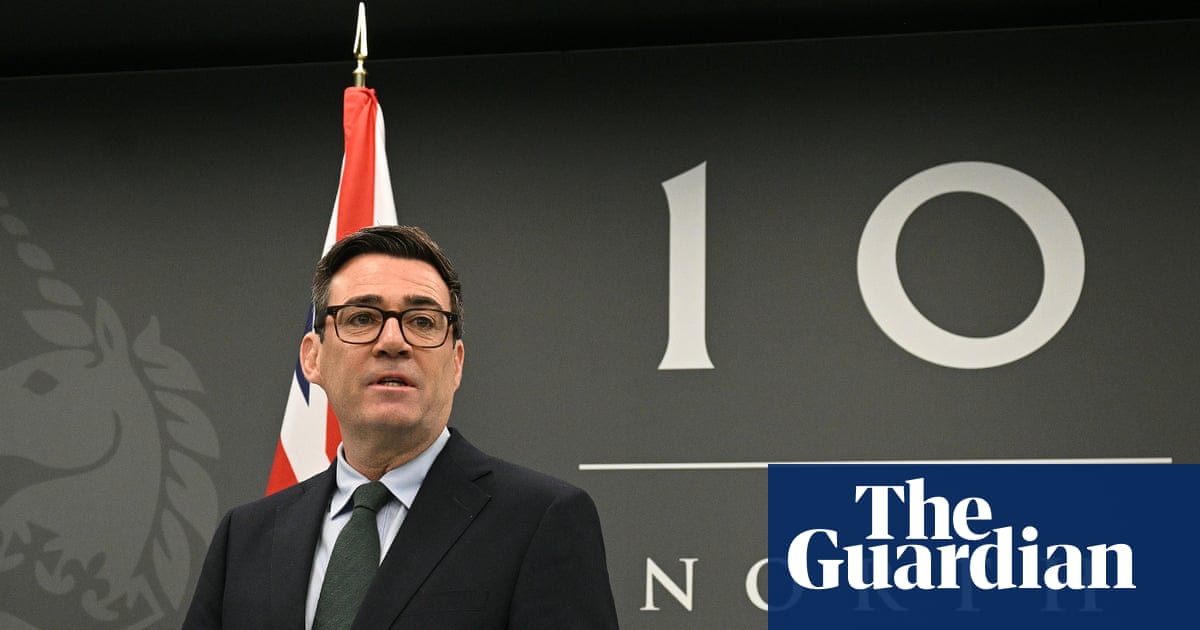
The push for devolution has been a central pillar of the current administration’s agenda, driven by Prime Minister Andy Burnham, who previously served as mayor of Greater Manchester. His government established No 10 North in Manchester to accelerate the transfer of powers. However, the rapid pace of these changes has raised questions about whether all regional bodies are prepared to handle the new responsibilities.
Particular concerns have been voiced regarding the capacity of newer and smaller combined authorities. Some entities, such as those led by Reform UK in Hull and East Yorkshire and Greater Lincolnshire, were only established last year. Additionally, several planned mayoral authorities covering millions of residents along the south coast and in north-west England have not yet been formed. Critics worry these bodies may lack the institutional maturity to manage complex fiscal tools effectively.
Aditi Sriram, lead author of the IPPR North report, described the current moment as defining for British governance. She noted that mayors have long been expected to drive economic growth while remaining dependent on central government for both funding and permission. With political trust eroding and public demand for tangible action rising, she argued that the devolution agenda cannot afford failure.
Jim O’Neill, a former Treasury minister who advised Burnham, echoed these sentiments in the report’s foreword. He acknowledged that skeptics might view devolution as irrelevant or wasteful but suggested that granting significant powers to mayors in densely populated areas is the best counterargument. This approach assumes these leaders possess the necessary capacity, desire for accountability, and ambition to execute bold policies successfully.
As the October deadline approaches, the focus remains on balancing autonomy with responsibility. The success of this transformative shift will likely depend not only on the volume of funds transferred but also on the effectiveness of the oversight structures put in place to ensure those funds deliver public value.
Sources behind this briefing
Go to the original reporting
- The Guardian World↗England’s mayors should face greater scrutiny as powers expand, thinktank says

