The short version
- Two thieves broke into the Renoir Museum in Cagnes-sur-Mer early Tuesday morning, stealing two paintings while abandoning two others in the garden.
- Local officials described the suspects as well-equipped with cutting tools and protective gear, suggesting a level of preparation beyond opportunistic crime.
- The incident follows a series of high-profile art thefts in Europe, including the Louvre jewels heist, prompting calls for improved museum security funding.
Two individuals breached the Renoir Museum in Cagnes-sur-Mer on the French Riviera early Tuesday morning, stealing two valuable paintings by the impressionist master Pierre-Auguste Renoir. The break-in occurred shortly before 6 a.m., with the museum’s alarm triggering at 5:48 a.m. Local police arrived on the scene within five minutes, but the suspects had already fled. During their escape, the thieves dropped two additional artworks in the museum’s garden, which were subsequently recovered by authorities.
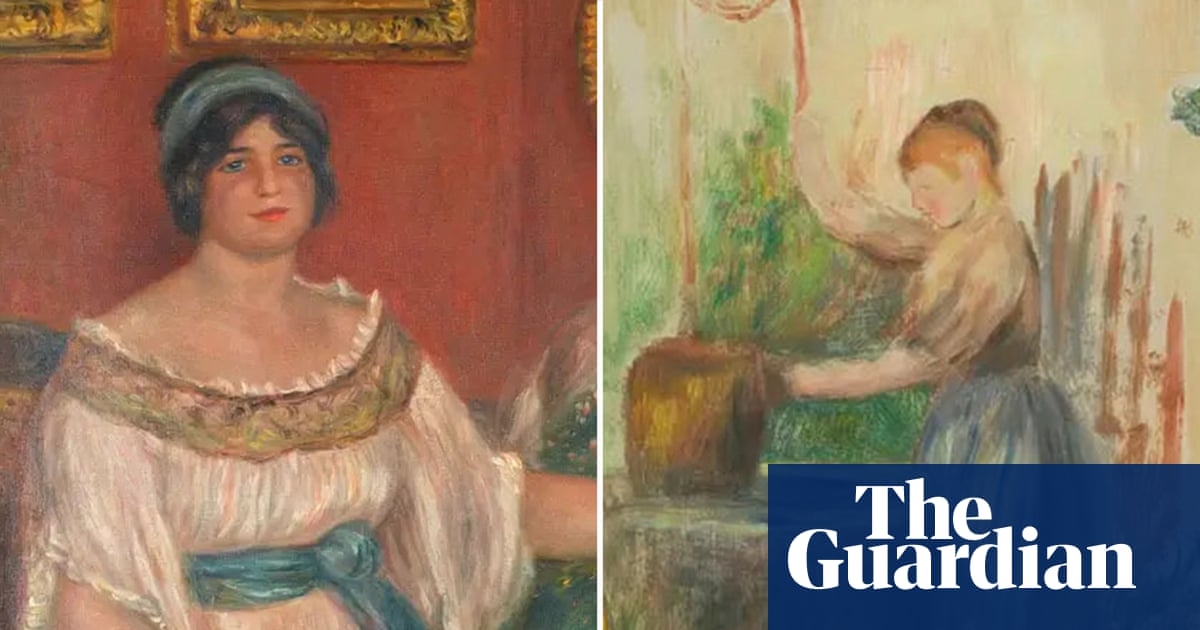
The two paintings that remain missing are Jeune fille au puits (Young Woman at the Well) and Portrait of Madame Colonna Romano. Both works belong to Paris’s Musée d’Orsay and were on loan to the Cagnes-sur-Mer institution. Each painting is valued at approximately €9 million. The two recovered pieces, Coco lisant and Portrait of Madame Pichon, were found abandoned in the garden as the suspects fled upon hearing the security alarms.
Bryan Masson, the mayor of Cagnes-sur-Mer, stated that surveillance footage showed the intruders cutting through a fence to access the museum grounds. They then used tools to dismantle the structures holding the paintings’ frames. Masson described the suspects as well-informed and equipped with helmets, gloves, combat gear, an electric knife, and a hacksaw. Investigators also found two zip-up bags at the scene, which may have belonged to the perpetrators.
The Renoir Museum, opened in 1960, is located in the artist’s final residence before his death in 1919. The collection includes not only paintings but also personal items such as Renoir’s easel and wheelchair. The theft has drawn attention to the security vulnerabilities of cultural institutions across Europe. Masson emphasized that attacking the museum was an attack on the local heritage, calling for greater financial support from the French government to protect artworks from increasingly organized criminal groups.
This heist occurs against a backdrop of rising art crime in Europe. Less than a year ago, eight items valued at roughly €88 million were stolen during a daylight robbery at the Louvre in Paris. Although four suspects have been arrested in connection with the Louvre theft, the stolen items remain missing despite extensive searches involving international police cooperation. Additionally, four Renaissance paintings were stolen from a museum in Sicily just last month.
Europol reported last month that art thieves in Europe are engaging in more violent robberies. Specialist gangs have increasingly been replaced by ad-hoc opportunists recruited through social media platforms. The shift in criminal methodology suggests that museums face new challenges in securing their collections. The organized nature of the Cagnes-sur-Mer break-in, with its specialized tools and coordinated entry, aligns with these emerging trends.
Local authorities have placed the case under the jurisdiction of the police organized crime squad. While the immediate recovery of two paintings offers some relief, the loss of the other two remains a significant concern for cultural heritage officials. The incident underscores the ongoing difficulty in preventing sophisticated thefts from high-profile institutions. Investigations are continuing to trace the whereabouts of the missing artworks and identify the individuals responsible.
The mayor’s comments highlight a broader anxiety about the protection of European museums. With art theft becoming more brazen and organized, local governments are urging national support to bolster security measures. The rapid response time in Cagnes-sur-Mer prevented further losses, but the successful removal of two million-euro paintings demonstrates that current defenses may be insufficient against determined criminals. The case serves as a stark reminder of the risks facing cultural treasures in the region.
Sources behind this briefing
Go to the original reporting
- The Guardian World↗Artworks stolen from Renoir Museum on French Riviera in latest heist
- BBC World↗Four Renoir paintings worth millions stolen in French museum heist

