The short version
- Longyearbyen has banned tap water consumption after heavy metal levels exceeded safety limits due to permafrost thaw.
- The contamination stems from pyrite oxidation in bedrock, a process accelerated by rapid regional warming.
- Officials warn this crisis may foreshadow similar water security challenges for other Arctic communities.
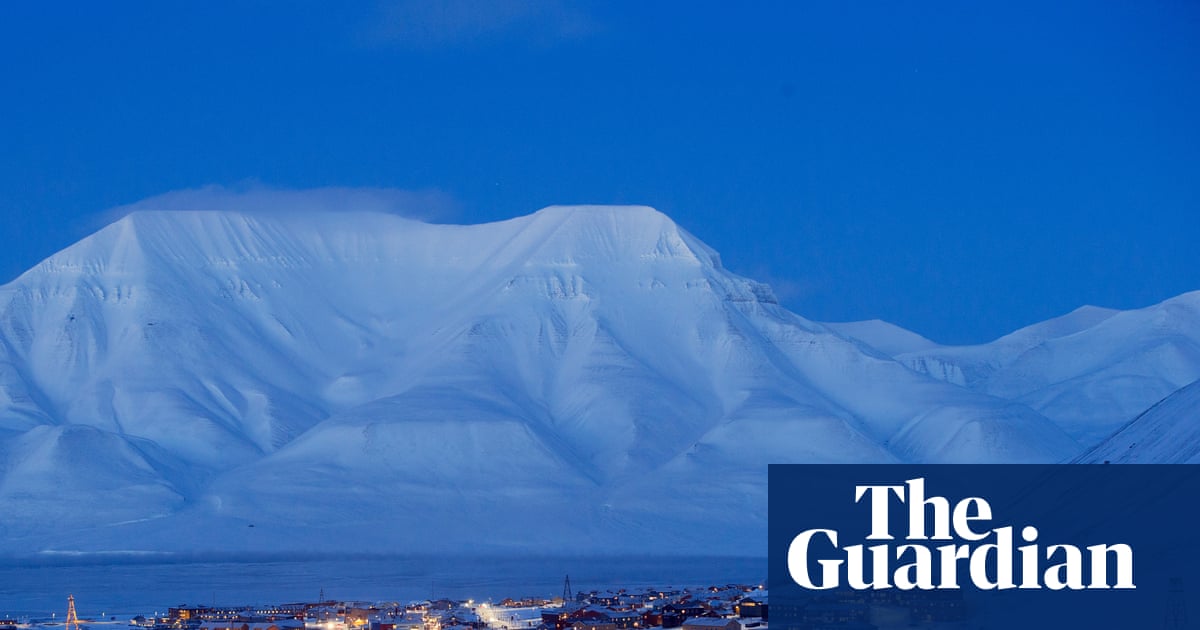
A remote Norwegian settlement located in the Svalbard archipelago has issued a permanent prohibition on drinking tap water, marking a significant infrastructure failure driven by environmental change. The municipality of Longyearbyen, home to approximately 2,600 people, determined that its primary water source no longer meets safety standards due to elevated concentrations of heavy metals. This decision follows months of monitoring and emergency measures after initial tests revealed manganese levels twenty-five times higher than the limits set by the Norwegian Institute of Public Health.
The contamination originates from Isdammen, a dammed lake situated 2.5 kilometers away that serves as the town’s main reservoir. Scientists attribute the pollution to the interaction between thawing permafrost and the region’s specific geology. As ground temperatures rise, previously frozen soil layers melt, exposing bedrock rich in pyrite, a mineral also known as fool’s gold. When this mineral contacts oxygen and water, it undergoes oxidation, generating acidity that leaches heavy metals from the surrounding rock into the water supply.
Marjolaine Verret, an associate professor of Arctic geology at the University Centre in Svalbard, explained that the combination of geological composition and climate-driven thaw is the primary driver. While manganese was the initial concern, subsequent testing earlier this year identified excessive levels of sulphate and nickel as well. Although manganese concentrations have decreased since the initial alert, the presence of other contaminants has necessitated the continuation of the drinking ban. Prolonged exposure to high manganese levels poses neurological risks, particularly for infants and young children.
Longyearbyen is situated in one of the fastest-warming regions on Earth, with temperatures rising at five to seven times the global average rate. Autumn temperatures in the area have increased by up to four degrees Celsius per decade. This rapid warming accelerates the degradation of permafrost, which consists of rock-hard ground that remains frozen year-round except for a thin active layer that thaws during summer months. The destabilization of this ground structure facilitates the chemical reactions that contaminate freshwater sources.
Local officials initially responded to the crisis with temporary emergency measures. A central tank of purified water, filtered by the local brewery, was installed at a supermarket for residents to refill containers. Terje Aunevik, the mayor of Longyearbyen, acknowledged that while the water quality had historically been poor due to sediment, the recent spike in contaminants was unprecedented. He noted that the situation created significant public frustration and inconvenience, challenging the cultural expectation in Norway that tap water is always safe for consumption.
The municipality has commissioned a comprehensive investigation into water quality and potential long-term solutions. Aunevik indicated that a completely new water mains supply might be required to resolve the issue. Current options under consideration include installing advanced filtration systems at Isdammen or constructing a desalination plant as a backup source. Both approaches present substantial technical challenges due to the extreme cold of Svalbard, where water temperatures frequently drop below freezing, and both are described as extremely expensive undertakings.
Experts warn that the situation in Longyearbyen may serve as an early indicator of broader risks facing Arctic communities. The geological conditions found in Svalbard, specifically bedrock rich in pyrite and heavy metals combined with thawing permafrost, exist in other parts of the Arctic, including northern Canada and Alaska. Verret suggested that this incident could be a first example of how climate change impacts freshwater security in these regions, urging other small communities to prepare for similar disruptions.
The crisis highlights the vulnerability of infrastructure in rapidly changing climates. While the immediate health risk from current metal levels is managed through the ban and alternative water distribution, the long-term viability of the existing water source remains uncertain. The need for costly technological interventions underscores the growing intersection between climate adaptation and public health management in remote, high-latitude settlements.
Sources behind this briefing
Go to the original reporting
- The Guardian US↗Tap water no longer drinkable in Norwegian town as climate-related thawing releases heavy metals