The short version
- All 115 trains in the Thameslink fleet will receive new seat cushions and backrests to replace designs widely criticized by commuters.
- The upgrade project is scheduled to begin in 2027 and will span two years, coinciding with broader improvements including toilet refurbishments and graffiti removal.
- This initiative follows the public ownership of Govia Thameslink Railway in May 2026, marking one of the first major service changes under state control.
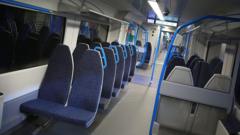
Govia Thameslink Railway has confirmed plans to replace the seating on its entire fleet of 115 trains, a move designed to address persistent passenger dissatisfaction with comfort levels. The operator stated that more than 60,000 seats will be upgraded with new cushions and backrests, replacing the current fixtures that have been frequently described by riders as resembling ironing boards. This significant infrastructure update comes less than one hundred days after the railway company was brought under public ownership, signaling an early shift in operational priorities following nationalization.
The refurbishment program is scheduled to commence in 2027 and is expected to continue for two years. During this period, workers will install new seating components across all services operated by the carrier. The scope of the work extends beyond standard class accommodations; first-class passengers will also benefit from upgraded seat cushions. Additionally, the plan includes the installation of seat-back tables on seventy trains that currently lack them, aiming to enhance the utility and comfort of the travel experience for commuters using these routes.
Transport Secretary Heidi Alexander highlighted the removal of the unpopular seats as a priority for the government. She noted that eliminating these specific design flaws would allow passengers to enjoy more pleasant journeys on some of the busiest commuter routes in Britain. The statement underscored the administration's focus on improving the daily experience of rail users, particularly those who rely on the network for regular travel across the South East, including areas in Sussex, Surrey, and parts of Kent.
John Whitehurst, the chief executive of Govia Thameslink Railway, emphasized that passenger feedback was instrumental in shaping these improvements. He indicated that customers had clearly communicated that comfort is a critical factor in their satisfaction with the service. In response to this input, the company has moved forward with plans to overhaul the seating arrangements. This direct engagement with user concerns appears to be a central theme of the new management strategy under public ownership.
The seat upgrades are part of a broader set of improvements planned for the Thameslink network following its transition to state control in May 2026. Beyond the seating changes, the operator has announced other measures aimed at enhancing service quality. These include an increase in Gatwick Express services starting in December and a comprehensive program to refurbish train toilets. The initiative also involves removing graffiti from across the fleet, addressing both aesthetic and maintenance issues that have affected the perception of the service.
These changes occur within the context of wider rail reforms being implemented under the planned Great British Railways organization. This new body is intended to oversee rail services across England, aiming to create a more integrated and efficient system. The refurbishment of the Thameslink fleet represents one of the initial tangible outcomes of this broader restructuring effort. It demonstrates how public ownership may influence immediate operational decisions regarding passenger amenities and service standards.
The timeline for these improvements suggests a phased approach to modernization. With work beginning in 2027, passengers will need to wait before seeing the physical changes to their daily commute. However, the announcement itself serves as a signal of intent from the new public owners. By addressing one of the most visible and frequently criticized aspects of the current service, the operator aims to rebuild trust and demonstrate responsiveness to long-standing grievances held by the traveling public.
The financial and logistical implications of upgrading over 60,000 seats are substantial, though specific costs were not detailed in the initial announcement. The decision to proceed with such a large-scale project so soon after nationalization indicates a commitment to investing in infrastructure despite potential budgetary constraints. As the work progresses over the next two years, the impact on service availability and maintenance schedules will likely become a point of interest for both commuters and industry observers.
This development marks a distinct shift from previous management strategies that may have prioritized different aspects of rail operations. The focus on comfort and basic amenities reflects a change in how public transport value is being assessed under state ownership. Whether these improvements will translate into broader satisfaction with the service remains to be seen, but the removal of the controversial seats is a concrete step toward addressing historical complaints about the quality of travel on this vital network.
As the project moves from planning to execution, attention will turn to how effectively the upgrades are implemented and whether they meet the expectations set by officials. The success of this initiative could serve as a model for other nationalized rail services looking to improve passenger experience. For now, the announcement provides a clear roadmap for change, offering hope to those who have endured uncomfortable journeys on what are among the most heavily used train lines in the country.
Sources behind this briefing
Go to the original reporting
- BBC Business↗'Ironing board' seats to be replaced on Thameslink