The short version
- Thames Water has proposed extending the repayment deadline for a portion of its massive debt burden by nearly a year to avoid immediate insolvency.
- Creditors, led by major US hedge funds and institutional investors, are negotiating control while the Prime Minister considers state intervention or special administration.
- Customers face significant bill increases as regulators approve higher tariffs to fund critical infrastructure repairs and environmental compliance measures.
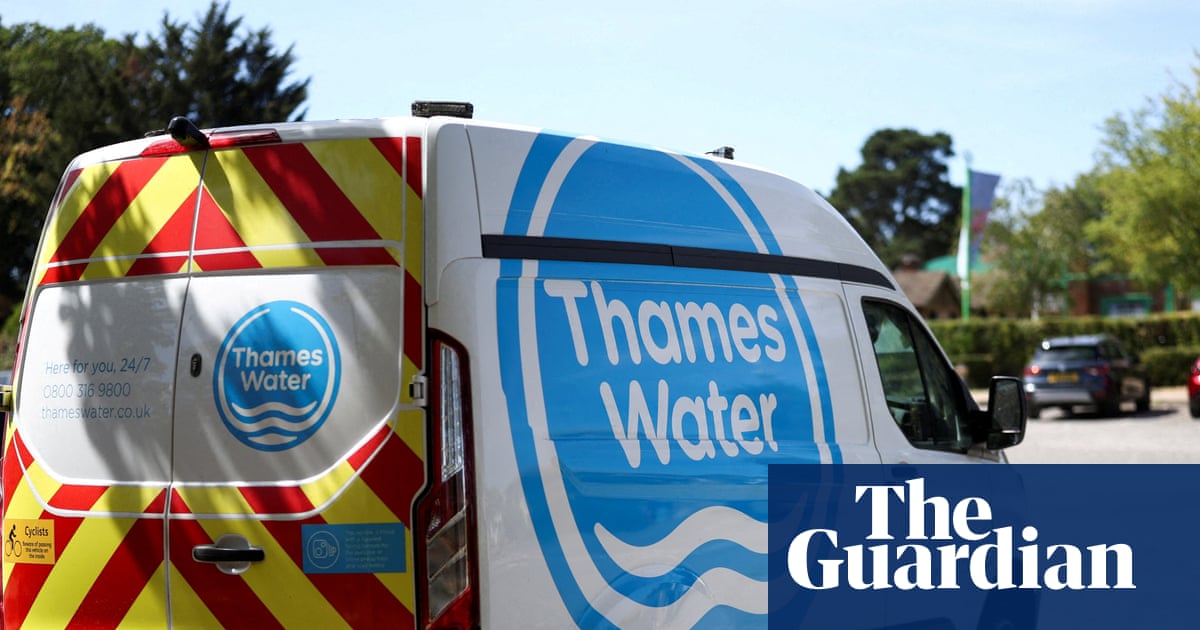
Thames Water, the largest water utility in the United Kingdom, has formally requested additional time from its creditors to manage a staggering £20 billion debt load. The company, which provides essential services to approximately 16 million residents across London and the Thames Valley, is proposing an interim agreement that would push back the repayment deadline for an unspecified segment of this financial obligation. Under the current proposal, the maturity date for this portion of the debt would shift from its original 2027 target to March 2028. This move comes as the utility struggles to maintain liquidity and avoid a complete collapse after years of mounting financial pressure.
The request for an extension highlights the precarious position of the company, which has been teetering on the brink of bankruptcy for several years. The situation deteriorated significantly in 2024 when shareholders effectively abandoned their positions, leaving the enterprise under the de facto control of its lenders. These creditors, organized under the entity London & Valley Water, are now tasked with structuring a resolution that prevents formal insolvency. The group is dominated by prominent US hedge funds, including Elliott Management and Silver Point Capital, alongside major institutional investors such as BlackRock and M&G.
Financial support from these lenders has been intermittent but critical in keeping the lights on, metaphorically speaking. In February of last year, creditors provided a £3 billion lifeline to sustain operations while negotiations continued regarding debt reduction and capital injection strategies. However, cash reserves have dwindled rapidly since then. Just last month, Thames Water approached its lenders for an emergency loan of £2.4 billion, warning that it would exhaust its available funds by the end of 2026 or early 2027 if a comprehensive long-term solution was not reached. The current request for a deadline extension appears to be another stopgap measure in this ongoing financial crisis.
The political ramifications of this debt restructuring are significant, with Prime Minister Andy Burnham facing difficult decisions regarding the future ownership and governance of the utility. One option under consideration is allowing the creditors to proceed with a takeover deal. Such an arrangement would likely involve writing off existing fines and potentially scaling back certain environmental commitments associated with the company’s operations. Alternatively, the government could choose to nationalize Thames Water or implement another form of direct state control to ensure service continuity and accountability.
Political opposition and environmental advocates are pushing for a different path, urging the Prime Minister to place Thames Water into special administration. This mechanism would involve temporary government oversight while a new buyer is sought, aiming to protect public interests more directly than a creditor-led takeover might. Critics argue that allowing private lenders to dictate terms could compromise environmental standards and leave customers bearing the brunt of the financial restructuring. The debate underscores the tension between market-driven solutions and public utility management in the face of systemic failure.
Pressure is mounting on the government to clarify its strategy. The Liberal Democrats have called on Prime Minister Burnham to outline his plans for reforming the water industry before the end of the year. Tim Farron, the party’s environment spokesperson, criticized the administration for focusing on rhetoric rather than action, noting that speeches do not stop sewage pollution or alleviate the burden of rising bills on families. Farron emphasized that households cannot wait years for a decade-long plan to begin yielding results, highlighting the urgency of the situation for everyday consumers.
Compounding the financial strain on customers is a recent regulatory decision by Ofwat, the industry regulator. The agency has announced that water companies are permitted to increase annual tariffs by an additional £3.4 billion. This hike comes on top of an already agreed-upon average rise of 36% over a five-year period leading up to 2030. These substantial increases are intended to fund long-overdue investments in aging infrastructure, including leaking pipes and outdated treatment facilities, as well as new assets like reservoirs needed to meet future demand.
The convergence of debt distress, political uncertainty, and rising consumer costs paints a grim picture for the UK’s water sector. As Thames Water navigates its immediate liquidity crisis through creditor negotiations, the broader implications for public trust and environmental stewardship remain unresolved. The outcome of these talks will likely set a precedent for how other struggling utilities are managed in the future, balancing financial viability with social responsibility. For now, customers face higher bills while waiting to see whether the government will intervene directly or allow market forces to determine the fate of their water supply.
The next few months will be critical in determining the trajectory of Thames Water’s restructuring. If the interim deal is accepted, it may provide temporary breathing room but does not address the underlying structural issues plaguing the company. Conversely, rejection by creditors could accelerate the timeline for potential bankruptcy or forced state intervention. Regardless of the path chosen, the stakes are high for millions of customers who rely on consistent and clean water services. The resolution of this crisis will require careful balancing of financial realities, political pressures, and public expectations.
Ultimately, the situation at Thames Water serves as a stark reminder of the challenges facing essential infrastructure in an era of complex financing and regulatory scrutiny. The interplay between private investment, government policy, and consumer impact creates a delicate ecosystem that is currently under severe stress. As negotiations continue, all eyes will be on whether a sustainable solution can be found that protects both the environment and the economic interests of those who depend on this vital utility.
Sources behind this briefing
Go to the original reporting
- The Guardian World↗Thames Water asks creditors for more time to help repay £20bn debt pile


