The short version
- Thames Water plans to reactivate its rarely used desalination plant in Beckton by the end of the year to support reservoir levels during the winter months.
- The facility, which has operated only five times in fifteen years, now carries an estimated total cost of £500 million, drawing criticism for poor returns on customer-funded investments.
- Prime Minister Andy Burnham is reviewing the company’s future as financial pressures mount and questions arise about the viability of recent bill increases approved for water firms.
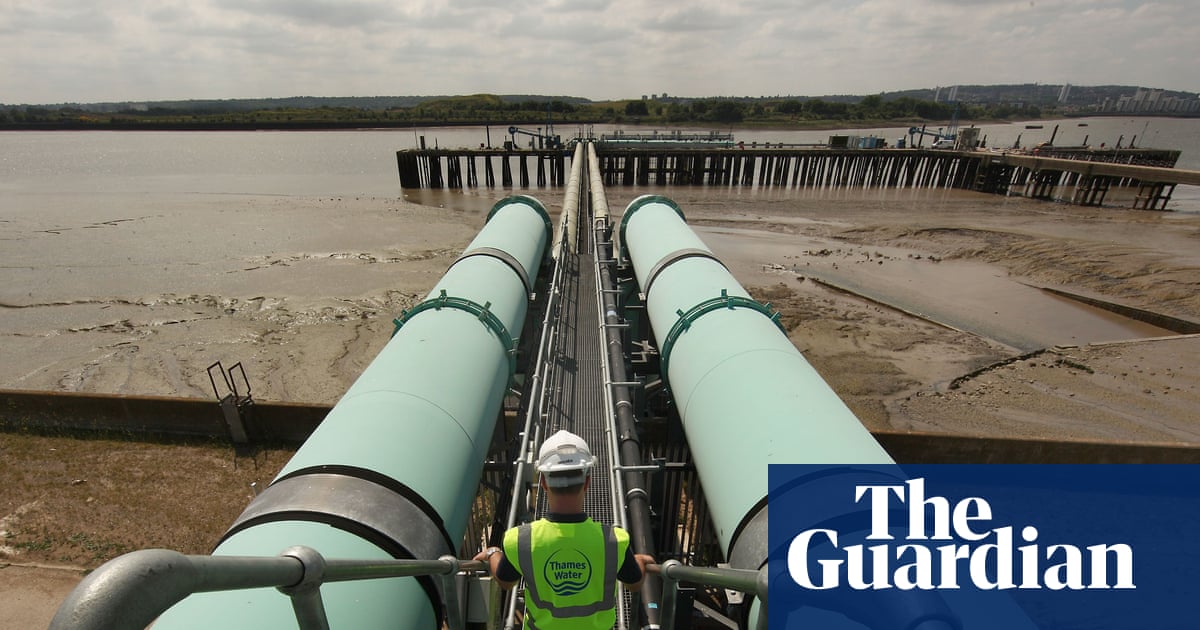
Thames Water is moving to restart operations at its desalination facility in Beckton, east London, with plans to bring the plant online by the end of this year. The utility company stated that the primary objective is to assist in rebuilding reservoir supplies over the winter season, positioning the infrastructure to support demand during the following summer. This decision comes as water providers across the United Kingdom implement hosepipe bans and manage worsening drought conditions exacerbated by a prolonged heatwave.
The timing of the restart highlights a significant operational gap, as the plant will not be ready until after the current dry period is likely to have subsided. Despite being designed to draw seawater from the Thames estuary during shortages, the Beckton facility has seen minimal use since its full opening in 2011. Over the past fifteen years, it has operated only five times, yielding approximately 7.2 billion liters of drinking water. This output represents roughly seven days of daily demand for the capital, a modest contribution given the scale of the investment.
Financial concerns surrounding the project have intensified as the total cost to customers has risen to an estimated £500 million. Initially installed at a cost of £270 million, the plant has been widely characterized as a white elephant due to its limited utility and high expense. The funding for these costs has come directly from customer bills, raising questions about the value provided to the 16 million people served by Thames Water in London and the Thames valley.
Technical challenges have further complicated the plant’s reliability. Chris Weston, the chief executive of Thames Water, previously acknowledged serious issues with the facility during testimony before MPs on the environment committee. He noted that engineers were struggling to maintain functionality, particularly regarding the treatment membranes essential for filtering salt from water. These membranes reached the end of their operational life last year, but replacement efforts were stalled by the lack of an available testing facility for new units.
Weston expressed frustration with the project’s trajectory, describing it as a poor investment and questioning its original rationale. He admitted there were no excuses for the plant’s underperformance, acknowledging that it has not delivered the expected benefits to customers or the company. The inability to consistently operate the facility has drawn criticism from lawmakers who have voiced disappointment that the infrastructure has not been available during previous heatwaves.
The financial viability of operating the plant remains uncertain due to high electricity costs. Thames Water is currently under severe financial strain, with creditors effectively controlling the business for the past two years. These stakeholders are seeking government leniency on pollution fines before formally taking over the company. The decision to use the desalination plant will depend on various factors, including weather patterns, water demand, and reservoir levels in the coming weeks.
Political scrutiny of Thames Water is intensifying as Prime Minister Andy Burnham prepares to decide the company’s future in the near term. Burnham has expressed anger over recent bill increases approved for thirteen water companies, including Thames Water, stating that customers should not serve as a bottomless source of funding. The government’s review comes amid broader concerns about how water firms are managing resources and finances during periods of environmental stress.
Operating the plant during cooler months may offer some financial advantages if wind power is abundant and grid strain is reduced. Lower electricity prices during these periods could make desalination more economically feasible compared to peak summer demand. However, this potential benefit does not erase the historical inefficiencies or the substantial costs already incurred by customers.
As preparations continue at the Thames Gateway water treatment works, the utility faces a critical period of evaluation. The success of the restart will be measured not only by its ability to contribute to winter reservoir recovery but also by how it fits into the broader strategy for managing water scarcity. The outcome may influence future decisions regarding infrastructure investments and regulatory oversight in the UK water sector.
The situation underscores the complexities of balancing immediate environmental challenges with long-term infrastructure planning. While desalination is a common solution in regions like the Middle East, its application in the UK has proven difficult due to technical, financial, and operational hurdles. The coming months will reveal whether this renewed effort can deliver tangible benefits or if it remains another example of costly underperformance.
Sources behind this briefing
Go to the original reporting
- The Guardian World↗Thames Water plans to restart desalination plant – after drought has ended

