The short version
- Two Uyghur men in Thai detention face potential deportation to China, sparking fears of severe human rights abuses upon return.
- Critics argue Bangkok is yielding to Beijing’s influence despite international condemnation of previous mass deportations and disappearances.
- Thai officials cite outstanding arrest warrants as legal justification, while activists question the credibility of these charges.
Two Uyghur men detained in Thailand are facing imminent deportation to China, a move that human rights organizations warn could place their lives in serious danger. Advocates express deep concern that Thai authorities may once again prioritize diplomatic relations with Beijing over the safety of ethnic minorities who have fled persecution. The situation echoes a controversial mass deportation from last year, when forty Uyghur men were forcibly sent back to China despite pleas from the United Nations and offers of resettlement from Western nations.
The two individuals currently at risk had been serving seven-year prison sentences for offenses linked to an attempted escape from immigration detention in January 2020. They belong to a larger group of more than two hundred Uyghurs—men, women, and children—who were apprehended by Thai police near the Malaysian border in 2014 after fleeing China. Since that initial arrest, Thai authorities have released women and children from the group to Turkey, while men have been deported to China in separate batches, drawing sharp criticism from international bodies.
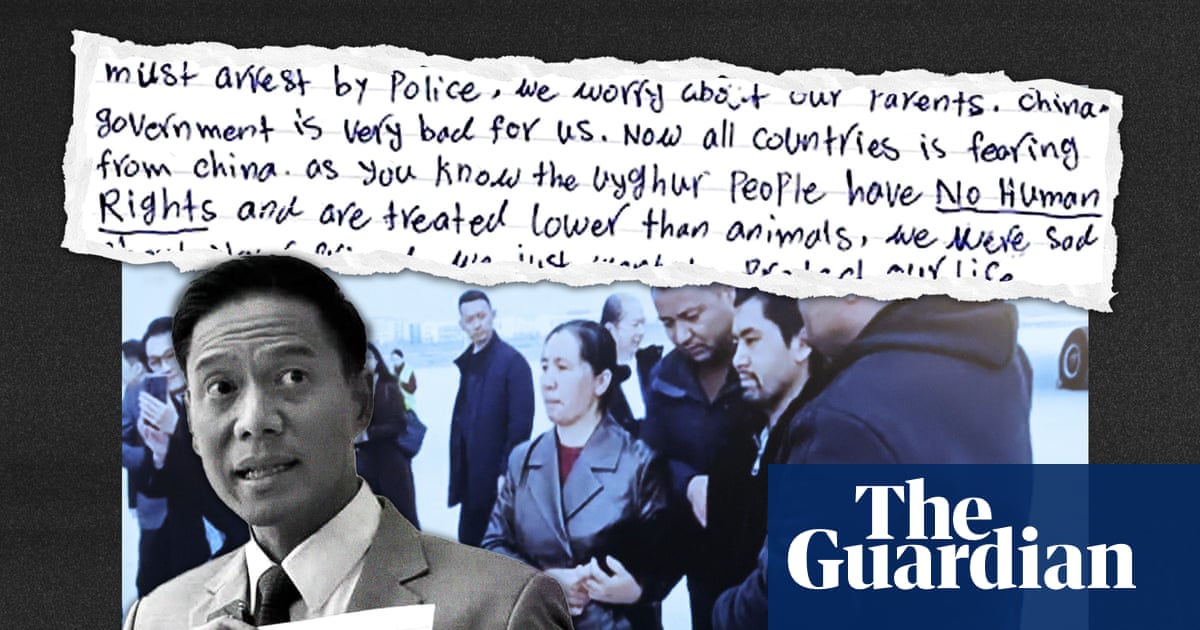
Family members and rights groups describe the prospect of return as terrifying. One man, whose identity is protected for security reasons, wrote to his partner expressing that he would be treated like a slave if sent back. He questioned why he was being targeted despite having done nothing wrong against the Chinese state. His partner shared this correspondence with a Thai human rights organization, highlighting the desperation felt by those facing removal.
Elaine Pearson, Asia director at Human Rights Watch, emphasized that previous Thai administrations have kept Uyghurs in inhumane detention conditions for years before complying with Beijing’s demands. She noted that many returnees have been forcibly disappeared upon arrival in China. The United Nations has previously condemned the treatment of the largely Muslim ethnic group as a potential crime against humanity, citing decades of oppressive policies including mass incarceration in camps designed to suppress cultural identity.
Thai officials have pointed to legal grounds for the deportations. Chaipruak Doungprapat, chief of Thailand’s national security council, stated that the two men, along with three other Uyghurs still imprisoned, have outstanding arrest warrants in China. This justification has been met with skepticism by activists who question the legitimacy of these charges. Critics note that at least one of the individuals was a minor when he left China, raising doubts about the validity of criminal accusations issued years later.
Relatives of the detainees suggest that Beijing is particularly anxious about Uyghurs establishing communities in safe third countries. They argue that the Chinese government prefers deportation to prevent large numbers of ethnic minorities from living together abroad. This perspective aligns with observations that China has resisted resettlement offers from countries like the United States and Canada, which had reportedly been willing to accept some of the deportees last year.
The diplomatic dynamics between Bangkok and Beijing remain opaque. A spokesperson for China’s foreign ministry defended the cooperation as consistent with international law and efforts to combat cross-border crime such as smuggling. Meanwhile, Thailand’s foreign ministry declined to comment on the specific cases. The lack of transparency fuels speculation that political pressure plays a significant role in these decisions, overriding humanitarian considerations.
The two men recently presented their case to Thailand’s National Human Rights Commission, seeking intervention to halt the deportations. It remains unclear whether China has issued formal extradition requests or if the process is proceeding under different legal mechanisms. The outcome of this case will likely influence how Thailand handles future asylum claims from Uyghurs and other groups fleeing persecution in Asia.
International observers are watching closely to see if Thailand will repeat its previous actions or adopt a more protective stance. The precedent set by last year’s mass deportation has already drawn rebuke from the US Secretary of State and UN agencies. As the deadline for the current deportations approaches, the tension between regional diplomacy and human rights obligations continues to mount.
For now, the fate of these two men hangs in the balance. Their case underscores the broader challenges faced by refugees seeking safety in countries that maintain complex political ties with their nations of origin. The international community remains divided on how effectively to intervene when sovereign states prioritize bilateral relations over individual rights.
Sources behind this briefing
Go to the original reporting
- The Guardian World↗Uyghurs facing deportation by Thailand say they will be ‘like slaves’ in China


