The short version
- The Texas Court of Criminal Appeals allowed an acquittal to stand in the case of Crystal Mason, who was previously convicted of illegal voting.
- Mason cast a provisional ballot in 2016 while on supervised release for a federal tax felony, leading to her imprisonment and significant personal hardship.
- A dissenting minority of justices argued there was sufficient evidence that Mason knew she was ineligible to vote at the time.
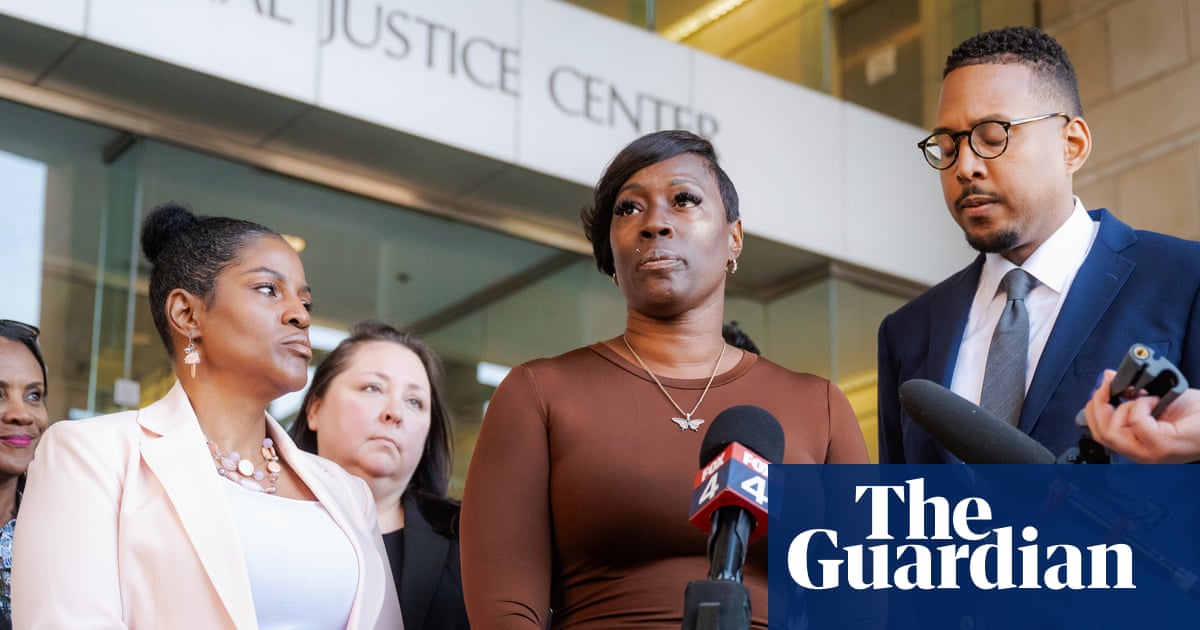
The Texas Court of Criminal Appeals concluded a protracted legal dispute on Thursday by declining to hear an appeal against the acquittal of Crystal Mason, a Black woman who had been sentenced to five years in prison for casting a provisional ballot. The 5-4 decision effectively ends nearly ten years of litigation regarding whether Mason committed a crime when she voted during the 2016 presidential election. By refusing to intervene, the state’s highest criminal court allowed the lower court’s ruling in her favor to remain in effect, marking a significant shift in the outcome of a case that had drawn widespread attention for its severity and implications for voter rights.
Mason was on supervised release, a form of probation, for a federal tax felony when she attempted to vote in 2016. Upon arriving at her polling place, election officials could not locate her name on the registered voter list. In accordance with federal safeguards, they offered her a provisional ballot, which she chose to cast. At the time, Texas law prohibited individuals with felony convictions from voting if they were still under supervision or probation. Although Mason signed an affidavit attesting to her eligibility, she has consistently maintained that she did not read the document and was never informed by poll workers or federal probation officials that she was barred from participating in the election.
The initial prosecution argued that Mason’s signature on the affidavit and her sworn statements to poll workers demonstrated actual knowledge of her ineligibility. A judge found her guilty in 2018, imposing a five-year prison sentence. This punishment triggered significant backlash due to its harshness relative to the alleged offense and concerns that it served as a deterrent to civic participation. Critics viewed the case as part of a broader pattern of using voting laws to intimidate minority voters, particularly in the wake of heightened rhetoric surrounding voter fraud following the 2016 race.
The legal trajectory shifted in 2024 when the Texas Court of Criminal Appeals initially acquitted Mason. The local prosecutor’s office in Tarrant County appealed this decision, prompting the state’s highest criminal court to agree to review the case. However, in its Thursday ruling, the court reversed its earlier agreement to hear the appeal and issued no explanation for the change in stance. This procedural move left the acquittal intact, resolving the matter without a substantive opinion on the merits of the prosecution’s arguments.
The consequences of Mason’s conviction were severe and extended beyond her personal liberty. Because she was convicted of a new criminal offense while on supervised release, she was returned to federal prison for ten months. During her incarceration, she faced the threat of foreclosure on her home and relied on her teenage daughter to manage household responsibilities. Her college-aged son forfeited a football scholarship to return home and assist with financial burdens. Mason, who also raised four of her brother’s children and has ten grandchildren, described the period as emotionally exhausting and devastating for her family structure.
Four justices dissented from the majority’s decision to let the acquittal stand. In their written opinions, they argued that the evidence presented at trial was sufficient to prove Mason knew she was ineligible to vote. Judge Lee Finley, joined by Judge Gina Parker, stated that the provisional voter affidavit, supported by additional state evidence, left no doubt that a fact-finder could sustain the conviction. The dissenting justices characterized the case as clear-cut, rejecting the notion that the outcome was ambiguous or dependent on procedural technicalities.
Civil rights advocates hailed the final resolution as a victory for democratic participation. Thomas Buser-Clancy of the Texas ACLU emphasized that the ruling affirms the right to vote without fear of imprisonment, noting that Mason’s efforts protected the broader electorate from partisan intimidation. Attorney Alison Grinter highlighted the timing of the decision ahead of upcoming midterm elections, framing it as a reassurance for voters who might otherwise be deterred by aggressive enforcement tactics.
Since her conviction, Mason has transformed from a previously apolitical individual into an active advocate for voting rights. She opened a rally for Beto O’Rourke in 2022 and has worked to educate other Texans about their electoral privileges. Her journey through the justice system underscores the high stakes of election law enforcement and the potential for disproportionate penalties in cases involving procedural errors rather than malicious intent. The case remains a focal point for discussions on felony disenfranchisement and the clarity of voter eligibility requirements.
The Tarrant County District Attorney’s office did not respond to requests for comment regarding the court’s decision or future intentions. With the legal battle concluded, Mason expressed profound relief and gratitude after a decade of fighting the charges. The resolution offers closure to a case that highlighted tensions between strict election enforcement and the protection of voting access, leaving policymakers and advocates to consider how similar situations might be handled in future electoral cycles.
Sources behind this briefing
Go to the original reporting
- The Guardian US Politics↗Texas court ends case against woman sentenced to five years over voting error