The short version
- The race between Attorney General Ken Paxton and State Representative James Talarico is statistically tied, marking the closest statewide contest in Texas in thirty years.
- Paxton has survived multiple legal challenges, including impeachment acquittal and settled securities charges, while facing new allegations regarding associations with indicted fugitives.
- Conservative groups are investing heavily to support Paxton, viewing his potential loss as a critical threat to Republican Senate majority ambitions in the upcoming election.
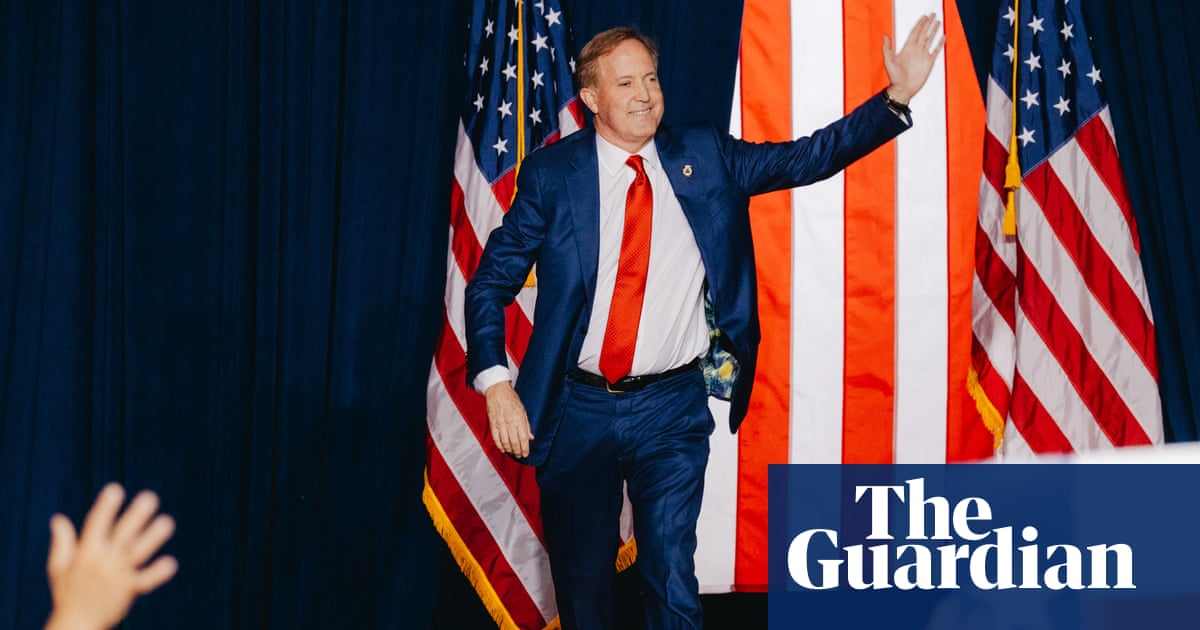
The political landscape in Texas is shifting in ways that defy historical precedent, as the state’s attorney general finds himself locked in a statistical dead heat with a Democratic challenger. Ken Paxton, a Republican who has long been viewed as a fixture of the state’s conservative establishment, is struggling to maintain a lead in polls despite running in one of the nation’s most reliably red states. His opponent, James Talarico, a thirty-seven-year-old former teacher and seminarian, has managed to close the gap significantly, creating a scenario that political analysts describe as unprecedented for modern Texas politics.
This contest represents the closest statewide race in the state in three decades, according to James Henson, director of the Texas Politics Project. The implications extend far beyond local politics, as the outcome is critical for either party seeking to secure or maintain a majority in the United States Senate. With less than a month remaining before the election, the stakes have intensified, drawing millions of dollars from right-wing organizations that are now in alarm mode. These groups view Paxton’s vulnerability as an existential threat to their broader electoral strategy.
Paxton’s campaign has been defined by his ability to endure and survive a series of high-profile controversies that would typically end the careers of other politicians. He has faced state prosecution on securities-related charges, which he settled without admitting guilt, and was impeached by the Republican-led Texas legislature on abuse-of-office allegations. The impeachment process concluded with an acquittal, allowing him to remain in office. Critics argue that his resilience is less about political skill and more about a pattern of evading accountability, a trait that has earned him comparisons to figures known for their ability to shrug off scandal.
The controversies surrounding Paxton span over a decade and include allegations ranging from financial impropriety to personal misconduct. In 2011, a tech entrepreneur claimed he was divinely instructed to gift Paxton shares of company stock, an act critics labeled an illegal commission. Paxton denied the allegation. Other incidents include accusations that he stole a colleague’s pen in 2013, which he attributed to a security screening mix-up, and claims that he used his office to benefit a real estate investor in exchange for personal favors. These allegations were part of the impeachment proceedings that ultimately failed to remove him from power.
More recent developments have added new layers of complexity to his public image. Reports emerged this week indicating that Paxton was filmed at a New Year’s Eve party in Dubai alongside an extramarital partner and two men who are currently indicted for federal healthcare fraud. One of these individuals had donated significantly to Paxton’s campaign. His team dismissed the reporting as political persecution, drawing parallels to the experiences of former President Donald Trump. This defense strategy relies on framing negative coverage as partisan attacks rather than addressing the substance of the allegations.
Paxton’s personal life has also become a focal point of the campaign. His wife, State Senator Angela Paxton, filed for divorce last year citing biblical grounds, following reports of alleged extramarital affairs. The couple’s separation was preceded by an incident in which she allegedly helped him evade service of a subpoena, an event Paxton characterized as harassment. These personal struggles have contributed to a narrative of instability that his opponents are eager to exploit, particularly in contrast to Talarico’s more conventional public persona.
James Talarico has positioned himself as a moderate alternative in a state that has not elected a Democrat to statewide office since 1994. His background as a teacher and his affiliation with a mainline Christian church have allowed him to appeal to voters who may be skeptical of the more extreme elements of the Republican base. Trump has mocked Talarico, using derogatory nicknames, but this has not prevented the Democrat from gaining traction. The race has become one of the most expensive in U.S. history, reflecting the intense interest from both national parties.
Paxton’s refusal to engage in debates with Talarico has further complicated his campaign. By avoiding direct confrontation, he has allowed his opponent to paint him as unwilling to defend his record or address voter concerns. This strategy has backfired in some segments of the electorate, contributing to the tightening of the polls. While Paxton remains beloved by hardcore conservative voters, his appeal among the broader voting public appears to be waning. The combination of legal troubles, personal scandals, and political avoidance has created a unique challenge for the Republican ticket.
As the election approaches, the uncertainty surrounding the outcome remains high. Polls have historically been unreliable in predicting final results, but the current data suggests a significant shift in Texas politics. If Talarico were to win, it would mark a dramatic change in the state’s political trajectory and potentially alter the balance of power in the Senate. For now, both campaigns are preparing for a hard-fought conclusion, with Paxton relying on his base support and Talarico capitalizing on dissatisfaction with the status quo. The coming weeks will determine whether this historic upset becomes reality.
The broader significance of this race extends beyond Texas, serving as a bellwether for national political trends. It highlights the growing volatility in traditionally safe seats and the increasing influence of candidate character and scandal in voter decision-making. Whether Paxton can overcome his trail of controversy or if Talarico can sustain his momentum will have lasting implications for American politics. The outcome will likely be closely watched by analysts and politicians alike as a indicator of shifting allegiances in the electorate.
Sources behind this briefing
Go to the original reporting
- The Guardian US↗Can Ken Paxton outrun a trail of scandal to win US Senate seat in ruby-red Texas?


