The short version
- Republican-aligned outside groups have spent over $158 million opposing James Talarico, largely funded by Elon Musk through the Senate Leadership Fund and Lone Star Liberty PAC.
- Talarico has shifted from being viewed as a long-shot Democratic candidate to a serious contender, capitalizing on voter concerns about affordability and skepticism toward Ken Paxton’s legal history.
- The outcome of this contest will influence Senate control during President Donald Trump’s final two years in office, adding national stakes to an already expensive state-level battle.
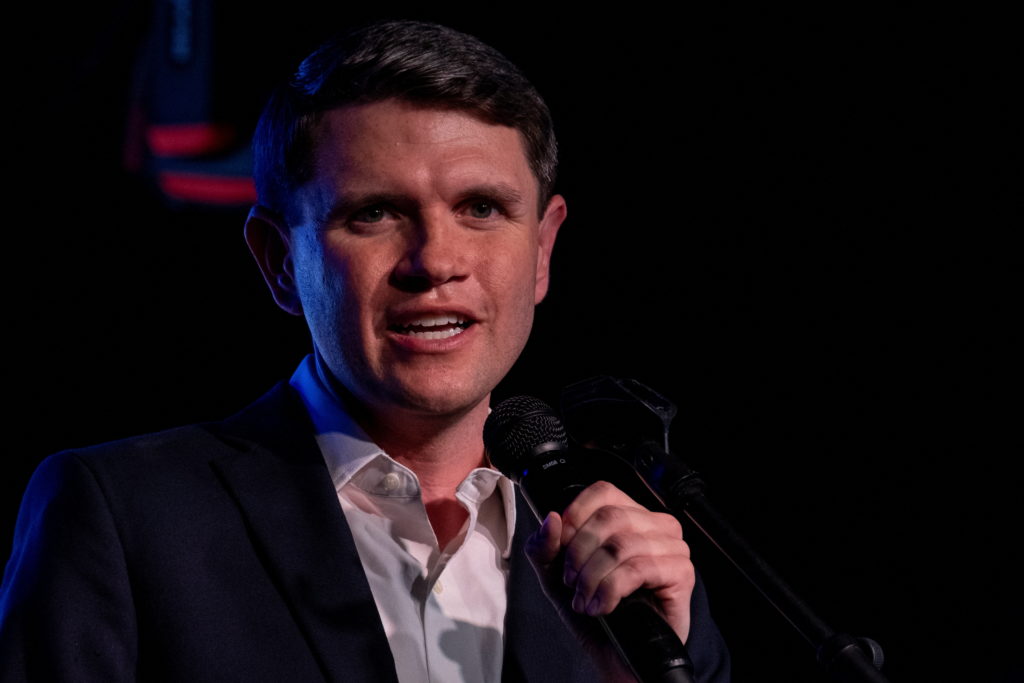
The U.S. Senate race in Texas has evolved into one of the most costly and competitive contests in the nation, marked by a dramatic surge in outside spending and a shifting narrative around Democratic viability. James Talarico, the Democratic candidate, recently characterized his campaign as a modern-day David versus Goliath struggle during a rally in San Marcos. He framed the conflict not along traditional partisan lines but as a battle between ordinary citizens and an entrenched elite of billionaires and corrupt politicians. This rhetoric aligns with his broader strategy to distance himself from the national Democratic establishment while appealing to voters frustrated by rising living costs.
Financial filings reveal that Republican leadership and billionaire Elon Musk have invested more than $158 million in efforts to defeat Talarico. The Senate Leadership Fund, which received a substantial contribution from Musk, transferred this amount to Texas PAC, the largest financial backer of Republican candidate Ken Paxton. Additionally, Musk contributed $10 million to Lone Star Liberty PAC, another group supporting Paxton. This influx of capital has flooded Texas airwaves with advertisements, signaling the high stakes both parties attach to retaining or flipping this historically red state.
Despite the overwhelming financial advantage held by his opponents, Talarico’s campaign has raised record sums from donors eager to see a change in Texas politics. His fundraising momentum has outpaced that of Paxton, reflecting a growing belief among some contributors that the seat is within reach. This shift in perception marks a significant departure from earlier assessments that viewed Talarico as merely another Democratic hopeful destined to fall short in a solidly Republican state. Instead, he is now regarded as a genuine contender capable of challenging the incumbent.
Voter apprehension toward Ken Paxton appears to be a key factor driving this competitive dynamic. Paxton, who previously served as Texas attorney general, faced impeachment proceedings by his own party in the state legislature due to corruption allegations. Although he was later acquitted, these controversies have lingered and provided Talarico with an opening to question the integrity of the Republican establishment. Talarico has carefully navigated a path through diverse regions of the state, from Democratic-leaning metropolitan areas to rural Republican strongholds and border towns that recently shifted toward the GOP.
Talarico’s messaging focuses heavily on economic anxiety, particularly the unaffordability of housing and daily necessities. At recent events, he argued that systemic rigging by the wealthy prevents average Americans from achieving financial stability. This theme resonated with attendees like Kaitlyn Johnson, a young bartender who expressed frustration over her inability to purchase a home despite earning a decent income. By positioning himself as an outsider fighting against rigged systems, Talarico aims to capture the discontent of voters who feel left behind by current economic conditions.
The national implications of this race extend beyond Texas politics. The winner will help determine which party controls the Senate during President Donald Trump’s final two years in office. A Democratic victory could lead to increased scrutiny and investigations into the administration, while a Republican win would likely facilitate smoother passage of their agenda. Consequently, both parties have invested heavily in ensuring their preferred outcome, with President Trump making multiple trips to Texas to rally support for Paxton.
Talarico has also faced challenges related to misinformation and public perception. After missing public appearances due to illness earlier this month, false claims circulated online suggesting he was receiving mental health treatment in Ohio. These conspiracy theories, amplified by conservative social media influencers, quickly collapsed under scrutiny but highlighted the intense scrutiny and hostile environment surrounding the campaign. Talarico has maintained a cautious approach, avoiding endorsements from prominent progressive figures like Bernie Sanders to preserve his nonpartisan image.
As Election Day approaches, the race remains tightly contested despite the massive disparity in outside spending. Talarico’s ability to connect with voters on economic issues and capitalize on doubts about Paxton’s record has transformed what was once considered a safe Republican seat into a toss-up. The coming weeks will likely see continued heavy advertising and ground game efforts from both sides, as each candidate seeks to solidify support in key demographics. The outcome will not only define the future of Texas politics but also shape the legislative landscape for the remainder of the Trump presidency.
The broader context of this election includes a national trend of voter desire for change, as indicated by recent polling data showing widespread frustration with the current administration. Talarico’s campaign leverages this sentiment by presenting himself as an alternative to the status quo, regardless of party affiliation. His strategy relies on building coalitions across traditional political boundaries, appealing to independents and disaffected voters from both parties. This approach underscores the complexity of modern electoral politics, where personal narratives and economic concerns often outweigh strict partisan loyalty.
Ultimately, the Texas Senate race serves as a bellwether for national political trends. The combination of record-breaking spending, shifting voter attitudes, and high-stakes implications for federal governance makes it a critical contest to watch. Whether Talarico can overcome the financial firepower directed against him remains uncertain, but his emergence as a viable candidate signals significant changes in the state’s political landscape. As campaigns intensify, the focus will remain on mobilizing voters and countering negative messaging in a deeply divided electorate.
Sources behind this briefing
Go to the original reporting
- PBS NewsHour↗Talarico compares his campaign to David and Goliath after GOP invests over $158M against him