The short version
- Republican Senate candidate Ken Paxton released a four-point plan addressing datacenter expansion, coinciding with a national surge in public opposition to such facilities.
- The proposal includes banning Chinese technology for US servers and holding firms criminally liable if AI systems compromise child safety, while supporting rural development restrictions.
- Democratic rival James Talarico criticized the move as opportunistic, citing Paxton’s previous acceptance of industry donations and support for tax incentives.
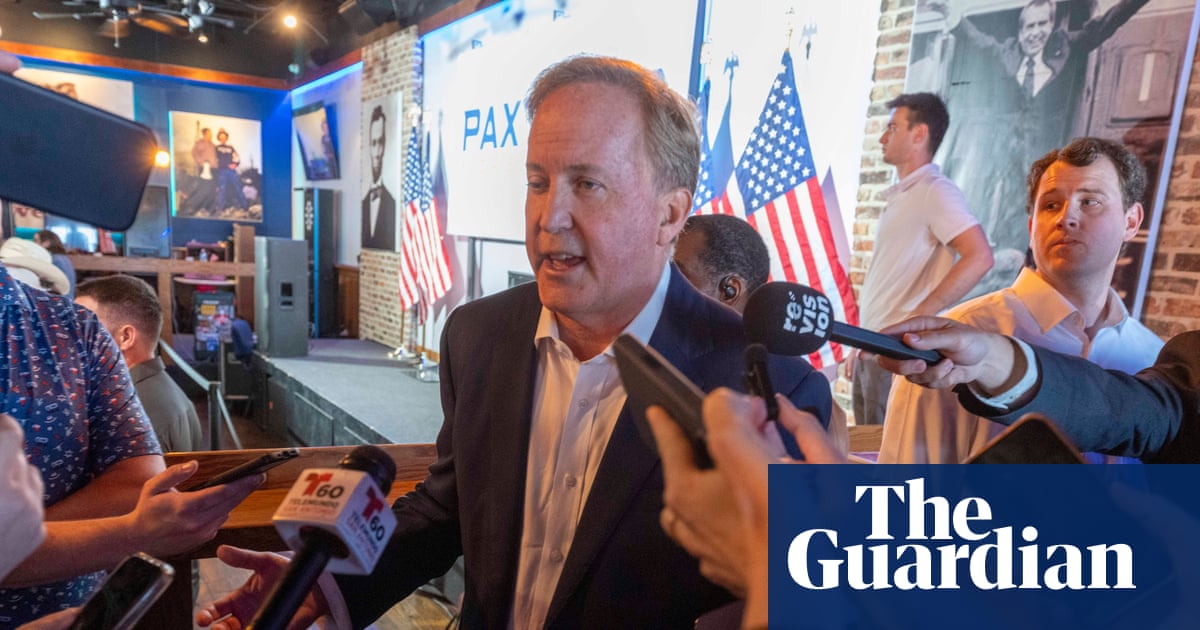
Ken Paxton, the Republican candidate for the United States Senate in Texas, has introduced a comprehensive strategy to regulate the rapid expansion of artificial intelligence datacenters within the state. The announcement comes as political leaders across the ideological spectrum face intensifying pressure from constituents concerned about the environmental and economic consequences of these massive facilities. Paxton posted the outline on the social media platform X, accompanied by a visual graphic that the service automatically flagged as being generated by artificial intelligence tools.
The plan addresses four primary areas of concern regarding the tech industry’s footprint in Texas. First, it proposes a prohibition on Chinese technology powering domestic datacenters. Second, it seeks to establish criminal liability for companies whose AI chatbots are found to undermine the safety of minors. Third, the proposal aims to reduce regulatory barriers specifically to prevent these facilities from driving up electricity costs for residents. Finally, Paxton pledged to support Governor Greg Abbott’s initiative to ban new datacenter construction in rural neighborhoods, repeal existing sales tax exemptions for the industry, and ensure that new projects contribute to rather than drain the state’s electrical grid capacity.
This shift in stance reflects a broader realignment within the Republican Party as it confronts growing voter skepticism toward big tech infrastructure. Recent polling indicates a significant change in public sentiment; an Annenberg Public Policy Center survey conducted last month revealed that 61 percent of Americans now oppose the construction of new datacenters in their local areas. This figure represents a notable increase from 49 percent recorded just three months earlier. The opposition spans party lines, with 69 percent of Democrats, 54 percent of Republicans, and 53 percent of independents expressing disapproval.
Paxton’s campaign appears designed to neutralize potential electoral vulnerabilities in a tightly contested race against Democrat James Talarico. While Texas has historically been a stronghold for Republican candidates, current assessments describe the Senate contest as highly competitive. A late July poll by Fox News showed Talarico leading with 51 percent of the vote compared to Paxton’s 48 percent. The Cook Political Report has similarly categorized the election as a toss-up, highlighting the stakes involved in addressing issues that resonate with moderate and independent voters.
Talarico has seized upon the timing of Paxton’s announcement to question his consistency on tech industry relations. In a statement, Talarico accused his opponent of attempting to erase a record of providing substantial financial benefits to datacenter operators. He noted that Paxton had accepted nearly half a million dollars from the industry and previously voted to approve billions in tax handouts. Talarico characterized the new plan as a desperate reversal driven by fear that past ties to big tech would cost him the election, mocking the use of AI-generated imagery as evidence of this pivot.
The political landscape surrounding datacenters has become increasingly complex for Republican officials. While President Donald Trump remains supportive of the industry, arguing that communities willing to host these facilities benefit from significant financial inflows, other party members are sounding alarms. The National Republican Senatorial Committee reportedly warned leading AI companies that voter discontent poses a serious threat to their ability to defend Senate seats in key states like Ohio. This internal tension underscores the difficulty of balancing pro-business rhetoric with grassroots concerns over utility bills and local infrastructure.
Governor Greg Abbott, who previously celebrated Texas as the epicenter of AI development, has also adopted a more critical tone toward tech companies. In recent remarks, he suggested that corporations had created their own problems through aggressive expansion strategies, thereby earning the current backlash. His administration’s push to restrict rural development and remove tax breaks aligns with the broader trend of state-level interventions aimed at curbing unchecked growth while maintaining economic competitiveness.
Paxton faces additional challenges beyond policy positioning, including a history of legal and personal controversies. He was impeached in 2023 following corruption allegations, though he was later acquitted by the Texas Senate. Additionally, an indictment for felony securities fraud was dismissed after a pre-trial diversion agreement in 2024. His personal life has also drawn public attention, with his wife of thirty-eight years filing for divorce on biblical grounds last year, citing adultery. These factors compound the difficulty of his campaign as he seeks to redefine his image ahead of the November midterms.
The national conversation around AI infrastructure continues to evolve rapidly. Democratic leaders are also adjusting their approaches; Pennsylvania Governor Josh Shapiro recently signed an executive order imposing strict guardrails on datacenter development, despite previously championing a major Amazon investment. Meanwhile, Senator Bernie Sanders has called for a pause in AI development altogether. As the election cycle progresses, the ability of candidates to articulate clear, actionable plans regarding energy consumption and community impact will likely play a decisive role in shaping voter behavior.
Paxton’s statement emphasized the need for strong leadership to protect Texas culture, land, and families from the perceived negative impacts of unchecked datacenter proliferation. He framed his plan as a means to ensure that these facilities do not serve as platforms for AI systems that endanger children. Whether this strategy will successfully sway undecided voters or merely highlight past inconsistencies remains to be seen, but it marks a significant moment in the ongoing political reckoning with the physical realities of the digital economy.
Sources behind this briefing
Go to the original reporting
- The Guardian World↗Trump-backed Ken Paxton unveils ‘Texas first’ datacenter plan aimed at ‘negative impact’