The short version
- Christian Castro was released from a Brownsville jail after a judge declined to order his immediate return to Minnesota for trial.
- The ruling cited a lack of jurisdiction, stating the case was not ripe because Texas Governor Greg Abbott has not yet formally denied the extradition request.
- Minnesota officials fear Castro may flee to Mexico, citing phone calls he made from custody discussing plans to marry and buy property there.
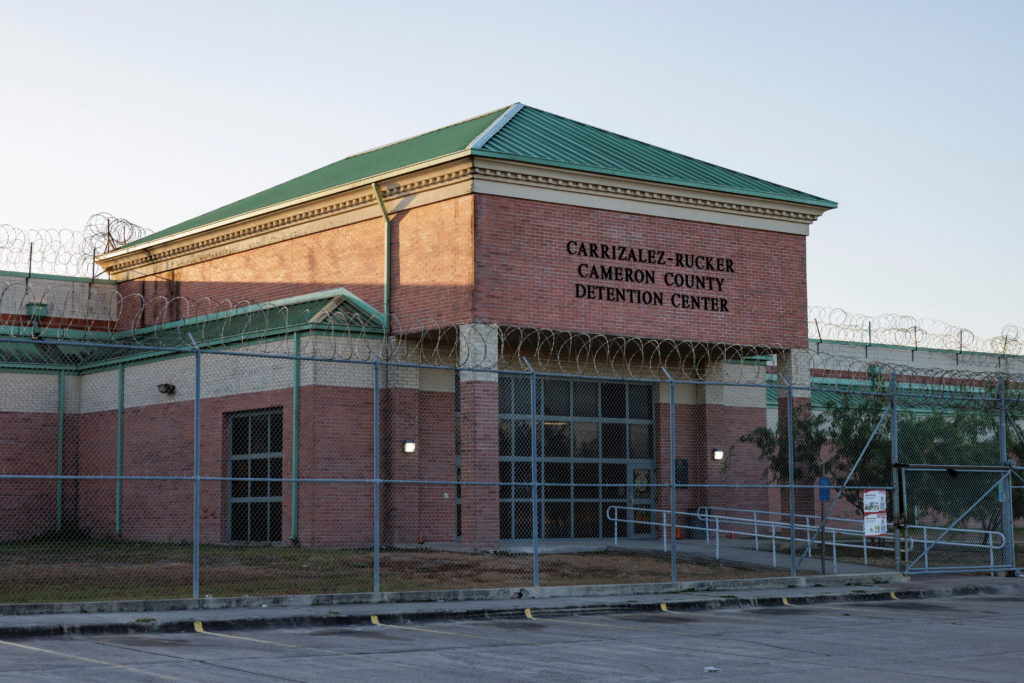
An Immigration and Customs Enforcement officer facing criminal charges in Minnesota for shooting a man and allegedly lying about the incident was released from custody in Texas on Thursday. Christian Castro departed a detention center in Brownsville early in the morning, entering a vehicle that drove away as media personnel gathered nearby. His release follows a federal court decision refusing to compel his immediate return to Minnesota, effectively ending a 90-day period of detention mandated by state law when extradition is not secured.
Castro stands accused of assault and falsely reporting a crime in connection with the January 14 shooting of Julio Cesar Sosa-Celis, a 24-year-old resident. Prosecutors allege that Castro fired a weapon through the front door of a Minneapolis home, striking Sosa-Celis in the leg. Authorities further contend that Castro fabricated an account claiming Sosa-Celis and another individual had attacked an ICE agent using a broom handle and a snow shovel, thereby justifying the use of force.
The legal conflict centers on Minnesota’s attempt to secure Castro’s extradition after he was arrested in Cameron County in late May. Minnesota Attorney General Keith Ellison sought a temporary restraining order to prevent Castro’s release or to mandate his return for trial. However, U.S. District Judge Fernando Rodriguez Jr. ruled that the court lacked subject matter jurisdiction because the legal dispute was not yet ripe for adjudication.
Judge Rodriguez explained that Minnesota could not base its legal claims on the prediction that Governor Greg Abbott might violate extradition laws in the future. The court noted that Minnesota must demonstrate an actual violation has already occurred. Furthermore, the judge observed that existing extradition statutes do not specify a timeframe within which the Texas governor must make a decision regarding the warrant.
Texas attorneys argued during proceedings that Abbott had not officially denied the extradition request. Instead, the governor’s office is awaiting the conclusion of an internal state investigation to determine whether Castro qualifies as a fugitive under the Extradition Clause. Abbott’s press secretary stated that it is the governor’s duty to carefully evaluate the merits of such requests before acting.
Tensions between the two states have escalated publicly. Abbott previously indicated he would not respond to the extradition request, citing an ongoing investigation into fraud in Minnesota’s government social service programs. This investigation was referenced by President Donald Trump as justification for immigration enforcement actions in Minneapolis. Abbott criticized Minnesota’s legal team online, accusing them of being unprepared and ignorant of the law.
Minnesota officials have expressed concern that Castro may abscond to Mexico following his release. Legal filings cite phone calls made from jail in which Castro discussed marrying a woman in Mexico and purchasing a house there upon his freedom. Despite acknowledging this flight risk, Judge Rodriguez stated that the mere threat of injury or flight does not create an issue ripe for immediate judicial intervention.
Attorney General Ellison responded to the ruling by asserting that Abbott has an obligation to extradite Castro. He characterized the governor’s refusal as turning Texas into a sanctuary for violent criminals. Meanwhile, Abbott threatened reciprocal measures, suggesting he might send immigrants to Minnesota in the future, similar to actions taken against New York City under the previous administration. Ellison indicated his office would continue litigating the matter but did not outline specific next steps.
The case highlights complex jurisdictional boundaries between state and federal authorities during periods of heightened immigration enforcement. While Castro is now free, the underlying criminal charges in Minnesota remain active. The outcome of Texas’s internal investigation will likely determine whether Abbott signs the extradition warrant or formally rejects it, potentially leading to further legal challenges.
Observers note that the delay in extradition has allowed Castro to avoid immediate trial in Minnesota. The situation underscores the difficulties states face when seeking to prosecute individuals who cross state lines, particularly when political disputes complicate standard legal procedures. The focus now shifts to whether Minnesota can secure his return through other legal avenues or if he remains at large.
Sources behind this briefing
Go to the original reporting
- PBS NewsHour↗ICE officer charged in Minneapolis shooting released in Texas after immediate extradition rejected
- The Guardian World↗ICE agent charged with Minnesota shooting released from jail in Texas

