The short version
- Tesla will cease Cybertruck production at its Texas facility in mid-2027 to repurpose the plant for the Cybercab, a self-driving taxi without a steering wheel.
- The decision follows years of production challenges and sales figures that fell significantly short of Musk's initial target of 200,000 units annually.
- This operational pivot coincides with broader market volatility for Musk’s companies following recent US midterm election results.
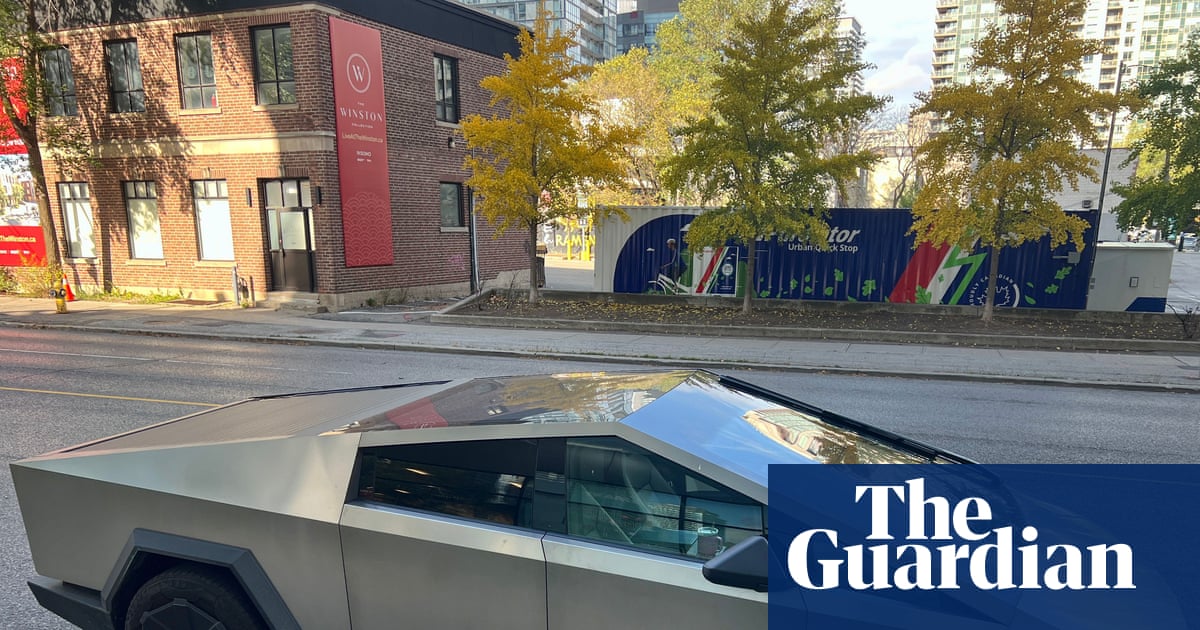
Tesla has announced it will wind down production of its Cybertruck, effectively ending the company's attempt to capture a significant share of the lucrative American pickup truck market. CEO Elon Musk stated that manufacturing at the Texas factory would cease around the middle of next year. The decision marks a decisive pivot away from traditional vehicle models toward a future centered on robotics, artificial intelligence, and autonomous driving fleets.
The primary driver for this operational change is the introduction of the Cybercab. Musk indicated that the Texas plant will be repurposed to manufacture this new self-driving taxi, which features space for two passengers and lacks a steering wheel. Tesla has already begun offering paid trips in the Cybercab in limited areas of Austin, Texas. However, the timeline for expanding this service across the United States or internationally remains unclear, given the intense regulatory scrutiny surrounding driverless car technology.
The Cybertruck’s journey to production was fraught with difficulties. Deliveries began in late 2023 after numerous delays caused by technical challenges associated with the vehicle's unconventional steel shell. Even before sales commenced, Musk acknowledged the severity of these issues during a 2023 earnings call, admitting that the company had dug its own grave with the project and noting enormous challenges in scaling production and achieving profitability.
Sales data underscores the vehicle's underperformance relative to expectations. While Musk had previously aimed for annual sales of 200,000 Cybertrucks, the vehicle never approached that figure. Tesla does not report Cybertruck sales separately; however, in the third quarter of 2026, the company delivered only 8,300 units categorized as 'other models,' a group that includes the Cybertruck. In contrast, the Model 3 and Model Y accounted for 478,000 combined deliveries during the same period.
The Cybertruck also failed to enter the European market due to its inability to meet required safety standards. This limitation further constrained the vehicle's potential global reach. The discontinuation of the Cybertruck follows Tesla's earlier decision to halt production of its Model S and Model X vehicles this year, which were discontinued amid declining sales for these aging premium models.
Musk did not specify whether Tesla plans to resume Cybertruck production at a different facility. Relocating manufacturing would likely require significant investment in specialized tooling designed specifically for the truck's unique construction. The lack of clarity on future production sites leaves open questions about whether the vehicle will ever return to the market or if it is being permanently retired.
This announcement arrives during a volatile week for Musk and his enterprises. Republican candidates backed by Musk, who contributed $446 million in donations, suffered losses in the recent US midterm elections. The political shift triggered a reassessment of investor confidence, with concerns that a Democrat-led Congress might slow the pace of the AI boom.
Market reactions were immediate and severe. Tesla shares dropped by 11% on Thursday, while SpaceX, Musk's aerospace company, fell by 9%. The paper value of Musk's fortune decreased by $113 billion as investors digested the election results and the strategic implications of Tesla's shifting priorities.
Despite the retreat from the Cybertruck, Tesla continues to ramp up production of its long-delayed Semi electric lorry. Musk also aims to introduce one other new model, though details remain sparse. The company's focus is clearly transitioning from selling private vehicles to developing an autonomous fleet, a strategy that diverges sharply from traditional automakers who rely on a steady stream of new models to attract individual buyers.
What remains unresolved is the speed at which Tesla can scale its robotaxi service and whether regulatory bodies will approve widespread deployment. The success of this pivot depends heavily on public acceptance of driverless technology and the company's ability to navigate complex legal landscapes, marking a high-stakes gamble for the electric vehicle maker.
Sources behind this briefing
Go to the original reporting
- The Guardian World↗Tesla to wind down Cybertruck production as Elon Musk focuses on robotics and AI
- Torque News↗Elon Musk Announces Tesla Will Discontinue Cybertruck Production After 9 Months – He Says, “Tesla Will Wind Down Cybertruck Production In The Middle Of Next Year To Make Room For Cybercab Production”


