The short version
- Tesla demonstrated a new Roadster prototype equipped with compressed nitrogen thrusters that allow for aerial stunts and flips.
- The vehicle features rear-wheel drive, 4680 battery cells, and claims of 0.8-second acceleration and 383 mph top speed.
- Critics note the technology resembles decades-old stunt car mechanisms and question the legality of such systems on public roads.
Tesla has returned to the spotlight with a dramatic demonstration of its long-delayed Roadster, this time leveraging fifty-year-old stunt technology to showcase the vehicle's capabilities. During a recent livestream event held in California, CEO Elon Musk presented a prototype that utilizes four large exhaust pipes at the rear not for hydrocarbon emissions, but as outlets for 100,000 psi jets of compressed nitrogen. These thrusters enable the car to perform aerial maneuvers, including spinning and flipping, marking a significant departure from traditional automotive design principles.
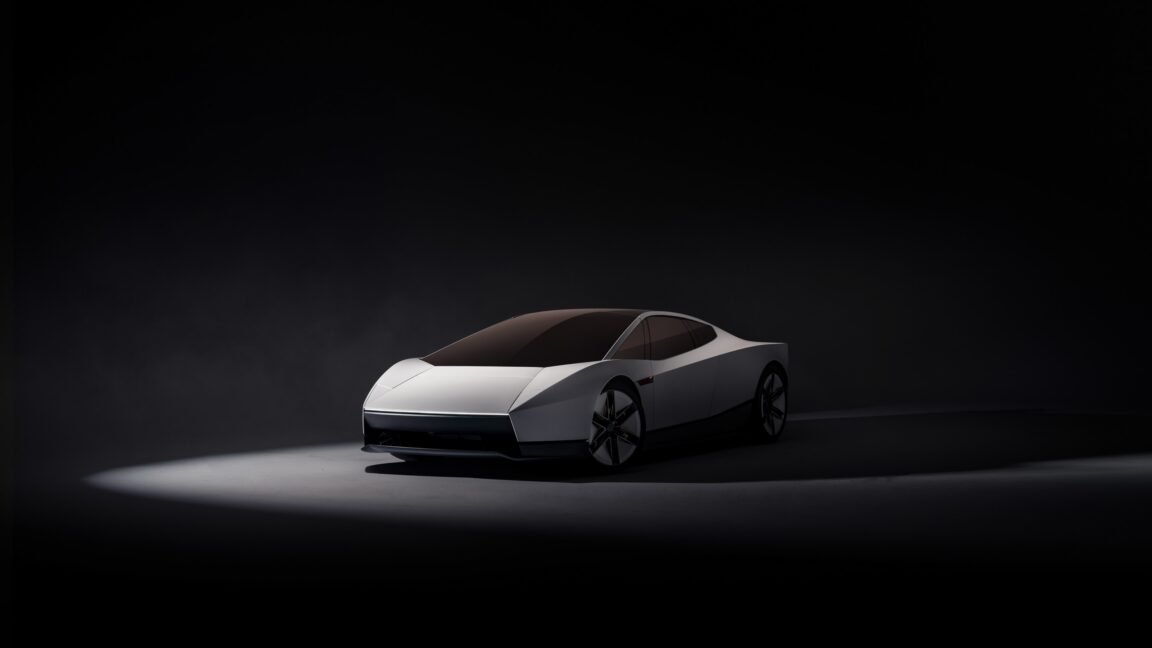
The visual presentation emphasized spectacle over conventional engineering metrics. The angular, wedge-shaped styling of the new Roadster draws comparisons to Giorgetto Giugiaro’s original Lotus Esprit and the Lamborghini Gallardo. However, the focus of the reveal was on the vehicle's ability to defy gravity through compressed gas propulsion. This approach mirrors techniques used in Hollywood stunt productions rather than standard automotive safety or performance testing protocols.
Under the hood, Tesla claims the new Roadster retains a rear-wheel-drive configuration, an unusual choice for a high-performance electric vehicle. The powertrain relies on the company’s 4680 battery cells, which have faced scrutiny regarding performance issues in previous models. Tesla states that a special battery chemistry has been developed specifically for this model to address those concerns. Despite these internal adjustments, the broader automotive industry continues to monitor how these cells perform under extreme stress conditions.
Performance figures announced by Musk are notably aggressive. The company claims the Roadster will achieve a top speed of 383 mph (616 km/h) and accelerate from 0 to 60 mph in just 0.8 seconds. Additionally, Tesla asserts the vehicle can generate 2 Gs of lateral force. These specifications place the Roadster among the most powerful production cars ever conceived, though they remain unverified by independent testing agencies.
Comparisons to existing hypercars highlight potential discrepancies in real-world applicability. The McMurtry Spéirling, a limited-production electric vehicle, has demonstrated superior handling capabilities, generating up to 3.5 lateral Gs and setting faster lap times than Formula 1 cars on certain tracks. Unlike the Tesla Roadster, the Spéirling is designed specifically for track use and does not claim road legality. The contrast underscores the difference between stunt-capable prototypes and functional high-performance vehicles.
Regulatory concerns loom large over the demonstration. Federal Motor Vehicle Safety Statutes do not explicitly address the use of compressed nitrogen jets for propulsion or stabilization on public roads. It remains unclear whether such a system could ever be certified for street use, given the potential hazards associated with high-pressure gas releases in traffic environments. The lack of clear legal pathways raises doubts about the vehicle's intended market.
Tesla’s history with the Roadster adds skepticism to current timelines. Musk previously promised production would begin immediately following the 2017 reveal, yet nine years later, no customer vehicles have been delivered. Deposits taken from early buyers have not resulted in cars, and some individuals have struggled to recover their funds. The company now claims production will commence by 2028, a timeline that aligns with previous delays.
The market for such an expensive, high-speed electric vehicle remains niche. Hypercar enthusiasts often prioritize auditory feedback and emotional engagement, elements traditionally provided by internal combustion engines. Tesla’s reliance on visual spectacle and extreme performance metrics may not fully address the desires of this demographic. Furthermore, the integration of stunt technology into a consumer product presents unique challenges in terms of safety, maintenance, and insurance.
As the demonstration concludes, attention shifts to whether Tesla can translate these theatrical capabilities into a viable product. The use of compressed air thrusters represents a bold engineering experiment, but its practicality for everyday driving is questionable. Until independent verification of performance claims and regulatory approval are secured, the Roadster remains largely in the realm of concept rather than commodity.
Future developments will likely focus on resolving battery efficiency issues and navigating legal hurdles associated with the thruster system. If Tesla proceeds with production, it will face intense scrutiny from both regulators and consumers eager to see if the promised performance translates to reality. For now, the Roadster serves as a testament to Musk’s willingness to push boundaries, even at the cost of conventional automotive norms.
Sources behind this briefing
Go to the original reporting
- Ars Technica↗Tesla turns to 50-year-old stunt technology as it tries to Roadster again
- Motor1.com↗Tesla Flips The Roadster Upside Down In Crazy Flying Demo
- Teslarati↗How Tesla’s Roadster fan system and thrusters are built to dominate the corners
- Yahoo Finance↗Tesla unveils Roadster featuring compressed air thrusters for limited flight

