The short version
- Christa Pike survived a lethal injection in Tennessee, marking the first such survival in U.S. history and prompting an independent inquiry ordered by Governor Bill Lee.
- Critics link the incident to Commissioner Frank Strada’s oversight of five problematic executions across Arizona and Tennessee since 2022, citing procedural failures and prolonged suffering.
- Despite a prior state report identifying significant flaws in Tennessee’s execution protocols, Strada was appointed commissioner in early 2023 and subsequently removed key training requirements for execution teams.
The failed execution of Christa Pike in Tennessee has triggered intense scrutiny of the state’s corrections leadership and its adherence to lethal injection protocols. Pike, a 50-year-old death row inmate, survived the administration of pentobarbital, becoming the first prisoner in United States history to live through an attempt at execution via lethal drugs. Witnesses reported that she choked and struggled for approximately an hour after receiving the initial sedative dose. When a second dose failed to end her life, medical personnel transported her to a hospital where she remains in critical condition.
Governor Bill Lee has responded to the incident by suspending all executions in Tennessee until the end of the year and ordering an independent investigation into the circumstances surrounding Pike’s case. While describing the event as deeply disturbing, Lee defended the actions of the Department of Correction, stating that officials appeared to follow established protocols. However, this defense stands in contrast to mounting criticism from legal advocates and death penalty experts who argue that the procedure was cruel and represented a severe breakdown in administrative oversight.
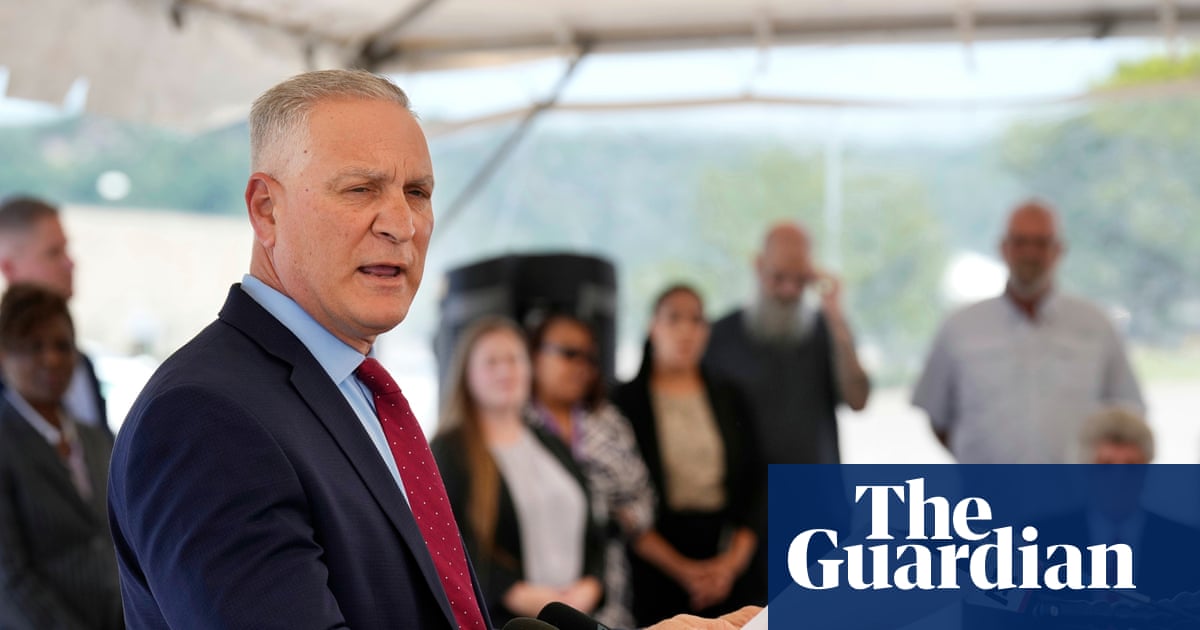
Central to the growing controversy is Frank Strada, the commissioner of the Tennessee Department of Correction. Legal representatives for Pike and other death row inmates have identified Strada as a common factor in five executions described as botched across two states since 2022. These incidents include three procedures conducted while Strada served as deputy prison director in Arizona and two attempts in Tennessee, including the recent case involving Pike and a failed attempt on Tony Carruthers earlier this year.
In Arizona, during Strada’s tenure from 2020 to 2023, execution teams faced significant difficulties administering lethal drugs. In May 2022, officials struggled for roughly forty minutes to place intravenous lines in Clarence Dixon, eventually requiring an incision near his groin to insert the catheter. Similar challenges occurred in June and November of that year with inmates Frank Atwood and Murray Hooper, respectively. In Atwood’s case, the prisoner reportedly assisted executioners in locating a vein due to repeated failures by the medical team. The Death Penalty Information Center classified all three Arizona executions as botched, citing unexpected delays and procedural breakdowns that caused unnecessary suffering.
Critics argue that these recurring issues point to systemic failures in vetting and training execution personnel. Dale Baich, an attorney who represented death row prisoners in Arizona during Strada’s leadership, suggested that the difficulty in accessing veins indicated a lack of proper qualification among team members. A 2023 court declaration from Arizona’s corrections director at the time acknowledged several critical issues, including inadequate expertise among staff and concerns regarding the efficacy of the drugs used. Despite these documented problems, Strada was appointed to lead Tennessee’s prison system in early 2023.
Strada’s appointment occurred while Tennessee was already grappling with its own controversies surrounding capital punishment. A state-commissioned independent report released in 2022 found that the state had failed to follow protocol in several executions, did not properly test lethal drugs, and maintained a result-oriented approach that prioritized completion over procedural integrity. Death row attorneys contend that Strada has not adequately addressed the deficiencies highlighted in this report since taking office.
Under Strada’s leadership, Tennessee removed a mandatory training requirement for individuals involved in lethal injections. Kit Thomas, a death row attorney, noted that this change occurred after Strada joined the department, raising questions about the state’s commitment to rigorous standards. The removal of such safeguards has drawn particular criticism given the history of procedural errors associated with Strada’s previous roles.
As the independent inquiry proceeds, attention remains fixed on whether the failures in Pike’s case reflect isolated incidents or a broader pattern of negligence under Strada’s oversight. Spokespeople for the Tennessee Department of Correction declined to answer specific questions about Strada’s record, stating that the commissioner was unavailable for comment. The outcome of the investigation may influence future policies regarding lethal injection protocols and personnel qualifications in Tennessee.
The international reaction to Pike’s survival has been swift, with advocates calling for a national halt on executions in the United States. Legal experts have described the incident as potentially the worst botched execution in modern history, emphasizing the severe physical distress experienced by the inmate. As debates over capital punishment continue, the case underscores ongoing concerns about the reliability and humanity of lethal injection methods.
Governor Lee’s suspension of executions provides a temporary pause but does not resolve the underlying questions about administrative competence and ethical standards within the corrections system. The independent inquiry will likely examine whether existing protocols were sufficient to prevent such a catastrophic failure and whether changes in leadership or policy are necessary to ensure compliance with legal and moral obligations.
Sources behind this briefing
Go to the original reporting
- The Guardian US↗Prison chief in Christa Pike case oversaw five ‘botched’ executions, lawyers say