The short version
- Tennessee officials suspended all executions after a lethal injection attempt on Christa Pike failed to kill her, leaving her in critical condition.
- Witnesses reported Pike snoring minutes after receiving two doses of pentobarbital, marking the second such failure in the state within months.
- Critics argue the incident highlights systemic issues with drug sourcing and medical ethics, while supporters note declining public approval for capital punishment.
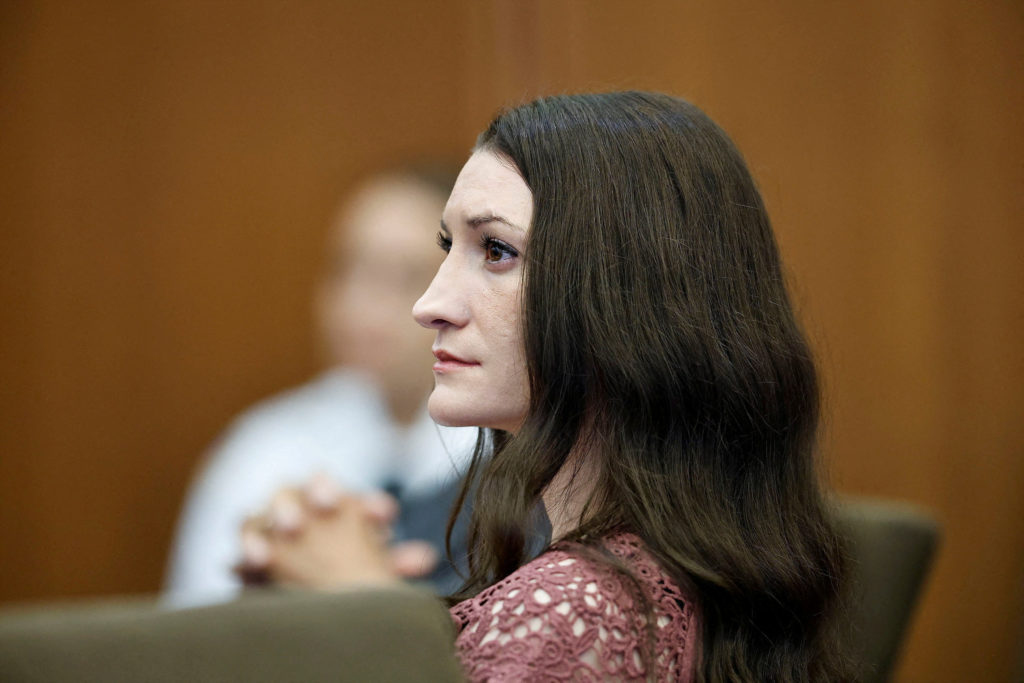
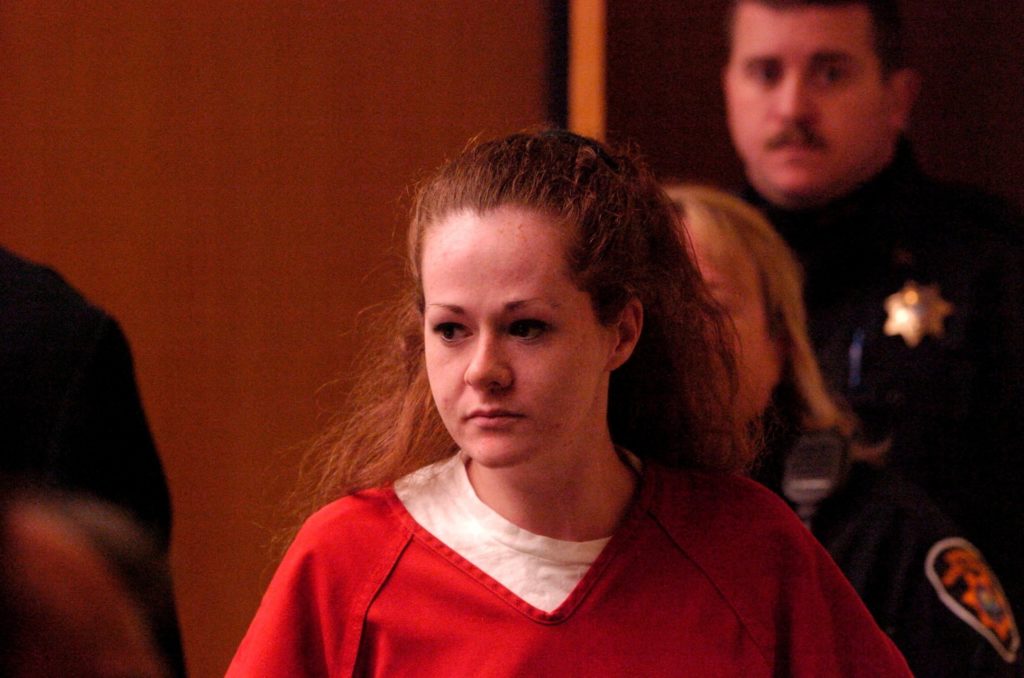
Tennessee has suspended its execution schedule following a failed attempt to put death row inmate Christa Pike to death on Wednesday. State authorities were unable to carry out the lethal injection as planned, resulting in Pike remaining alive but in critical condition. Her legal team confirmed that she received two separate doses of pentobarbital, a drug intended to induce unconsciousness and stop heart function, yet the procedure did not result in her death. This event marks the second unsuccessful execution attempt in the state over the past few months, prompting immediate administrative intervention.
The governor has ordered a halt to all executions pending a review of the circumstances. Witnesses present during the procedure described Pike as snoring loudly approximately forty minutes after the administration of the drugs. The failure underscores significant logistical and medical challenges associated with modern lethal injection protocols. As states struggle to secure reliable pharmaceutical supplies due to pressure from campaigners and ethical refusals by medical professionals, the consistency and efficacy of these procedures have come under intense scrutiny.
Pike was sentenced to death for the 1995 murder of her classmate, Colleen Slemmer. The case has drawn attention not only for its violent nature but also for Pike’s personal history. She endured severe sexual abuse, rape, and physical neglect during her childhood. Her defense attorneys argue that these traumatic experiences, along with diagnoses of bipolar disorder and post-traumatic stress disorder made after the trial, were not adequately considered by the jury at the time. Legal experts suggest that her case illustrates how the death penalty often targets individuals who are deeply damaged rather than solely those deemed most dangerous.
The broader context of capital punishment in the United States reveals a growing divergence between state actions and public opinion. While executions have surged recently, reaching their highest level in sixteen years, support for the practice has declined significantly. Polling data indicates that approval ratings have dropped from eighty percent in 1994 to fifty-two percent last year, with younger demographics showing even stronger opposition. This shift is partly attributed to high-profile cases of wrongful convictions and increasing awareness of the procedural flaws inherent in the system.
Internationally, the United States stands as an outlier in its continued use of the death penalty. Approximately three-quarters of nations have abolished capital punishment either in law or in practice. Recent global data shows that while the total number of executions worldwide rose to more than 2,700 last year, only seventeen countries carried out such sentences. The United States remains one of a small minority retaining the practice, facing criticism from human rights organizations and foreign governments alike.
The method of execution itself has become a focal point of ethical debate. Lethal injection was originally promoted as a more humane alternative to older methods like electrocution or hanging. However, critics argue that suffering is inherent in any form of state-sanctioned killing. Autopsy analyses and expert testimony suggest that paralytic drugs often used in these procedures may mask signs of distress, creating an illusion of dignity while potentially prolonging agony. The recent failures in Tennessee highlight the difficulty in achieving a painless death through chemical means.
Alternative methods have also faced legal and ethical hurdles. Some states have experimented with nitrogen gas or firing squads, but these approaches have been met with resistance from courts and human rights advocates. Firing squads, in particular, have been described as potentially excruciating if marksmen fail to hit vital organs accurately. The Supreme Court recently intervened to stop an execution using nitrogen gas in Alabama, reflecting judicial caution regarding untested or controversial techniques.
Looking ahead, the suspension of executions in Tennessee raises questions about the future of capital punishment in the state and nationally. Legal experts and abolitionists argue that the recurring failures demonstrate that no method of execution can be truly humane. The case of Christa Pike serves as a stark reminder of the complexities involved in carrying out death sentences, from drug procurement to medical oversight. As public sentiment continues to shift away from support for the death penalty, states may face increasing pressure to reconsider their use of capital punishment altogether.
The immediate focus remains on Pike’s condition and the investigation into what went wrong during the procedure. Her attorneys are likely to pursue further legal challenges based on the failed attempt and her underlying health issues. Meanwhile, other states with active death penalty statutes may also review their protocols in light of Tennessee’s experience. The incident reinforces the argument that the search for a painless method of execution is fundamentally flawed, prompting renewed calls for abolition.
This development adds to the ongoing national conversation about justice, retribution, and the role of the state in ending lives. While some argue that capital punishment serves as a necessary deterrent or form of retribution for heinous crimes, others contend that it perpetuates systemic inequalities and fails to account for mitigating factors such as trauma and mental illness. The botched execution in Tennessee exemplifies these tensions, highlighting the practical difficulties and moral dilemmas inherent in maintaining the death penalty.
Sources behind this briefing
Go to the original reporting
- PBS NewsHour↗What we know about Tennessee's botched execution of Christa Pike
- The Guardian US Politics↗The Guardian view on the death penalty: Christa Pike’s execution was botched, but cruelty is inherent | Editorial