The short version
- Christa Pike survived an attempted execution in Tennessee after receiving two lethal injections that failed to stop her heart.
- Medical experts retained by the defense suggest the drug dosage was insufficient, potentially causing brain injury due to delayed resuscitation.
- The incident highlights ongoing legal and ethical debates regarding execution methods, vein access issues, and the secrecy surrounding state protocols.
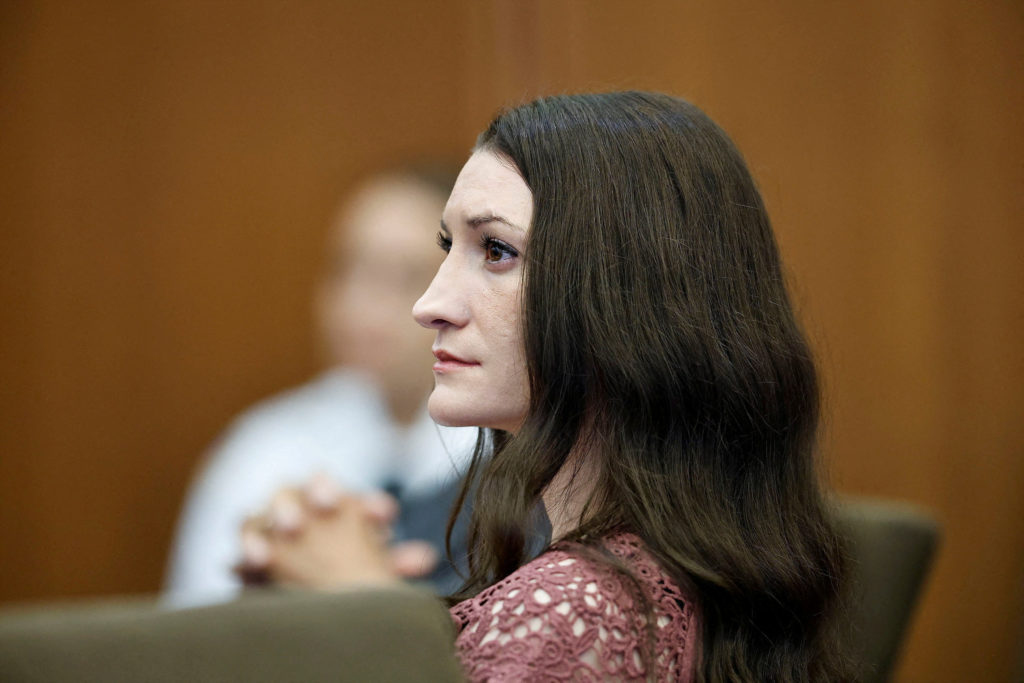
Christa Pike, a Tennessee death row inmate, was transferred to a hospital after surviving an attempted execution that involved two separate administrations of lethal injection drugs. Her legal team reported that despite receiving two syringes of pentobarbital, Pike remained conscious enough to snore audibly and retained a heartbeat. The state’s attempt to carry out the sentence at Riverbend Maximum Security Institution in Nashville ended with emergency medical intervention rather than death, marking a significant disruption in the proceedings.
The execution process appeared to encounter severe technical difficulties. Witnesses reported that the curtain separating the witness room from the execution chamber was closed twice as sounds of snoring were heard from inside. Media personnel were eventually asked to leave the facility. Pike’s attorneys filed an emergency motion during the procedure, stating that their client had lost consciousness but was still alive and required immediate life-saving measures. District Judge Clifton L. Corker subsequently issued a ruling acknowledging that medical personnel had begun administering care as requested in the motion.
Medical analysis provided by Dr. Joel Zivot, a professor at Emory University School of Medicine retained by Pike’s defense team, suggests the failure was likely due to insufficient drug delivery. Zivot indicated that Pike probably never achieved the necessary blood concentration of pentobarbital to induce apnea and cardiovascular collapse. He warned in an email that the delay in beginning resuscitation efforts could result in permanent brain injury. The incident underscores concerns about the reliability of lethal injection protocols when vein access is difficult or compromised.
Pike’s legal representatives expressed frustration with the state’s handling of the execution, citing a pattern of procedural failures. In a statement to local media, they noted that previous warnings regarding difficult vein access, degraded medication quality, and the lack of available emergency medical care had proven accurate. The attorneys criticized the secrecy surrounding Tennessee’s execution protocol, arguing that it prevents adequate oversight and increases the risk of botched procedures. They emphasized that while they did not take pleasure in being correct about these failures, the outcome validated their long-standing concerns.
The attempted execution proceeded only after the U.S. Supreme Court overturned a reprieve granted earlier that day by a lower court. This was the second time in two days that the high court allowed Pike’s execution to move forward. Judges from the U.S. Court of Appeals for the Sixth Circuit had initially paused the process, stating they needed more time to review arguments presented in Pike’s case. The rapid reversal by the Supreme Court highlighted the intense legal scrutiny surrounding her sentence and the finality of the judicial decisions involved.
Central to Pike’s legal challenges is the issue of mitigating evidence related to her history of childhood sexual abuse. Her lawyers argued that the jury which sentenced her to death in 1996 did not have the opportunity to weigh this testimony. For years, Tennessee prosecutors contended that Pike had fabricated claims of abuse. However, during a recent hearing concerning her execution method, state officials indicated they no longer disputed that she had suffered sexual abuse and rape. This shift in stance has complicated the legal narrative surrounding her culpability and sentencing.
Pike was convicted alongside her then-boyfriend, Tadaryl Shipp, for the 1995 murder of 19-year-old Colleen Slemmer. The two met Slemmer at a job training camp for troubled teens in Knoxville. According to court records, Pike and Shipp beat and tortured Slemmer before killing her. The case garnered significant media attention due to an inverted pentagram carved into Slemmer’s chest, a symbol associated with satanic groups. Pike has denied carving the symbol herself, though other residents at the camp later testified that she had bragged about the crime and shown them a piece of Slemmer’s skull.
The victim’s mother, May Martinez, a retired police detective, has consistently supported carrying out the sentence. She stated that she has waited decades to see justice served and wants the execution to proceed. Pike, who was 18 at the time of the crime, is currently the only woman on Tennessee’s death row. Since the reinstatement of the death penalty in 1976, women have accounted for approximately one percent of all executions in the United States. The state governor recently denied a clemency request from Pike, who has expressed remorse for her actions in recent statements.
The aftermath of this failed execution raises broader questions about the administration of capital punishment in Tennessee and across the nation. With no immediate comment from state officials regarding the specific failures during the procedure, uncertainty remains about whether another attempt will be scheduled or if further legal appeals will halt the process indefinitely. The incident serves as a stark reminder of the complexities and controversies inherent in lethal injection protocols, particularly when medical expertise and transparency are called into question.
As Pike receives medical care, her legal team continues to navigate the intersection of procedural errors and constitutional rights. The potential for long-term health consequences for Pike adds another layer of complexity to an already fraught situation. Observers note that this event may influence future debates on execution methods, emphasizing the need for rigorous standards and accountability in carrying out state-sanctioned punishments. The coming days will likely see further legal motions and public discourse on the implications of this unprecedented outcome.
Sources behind this briefing
Go to the original reporting
- BBC News↗US death row inmate Christa Pike taken to hospital after surviving two lethal injections, says lawyer