The short version
- Astronomers detected sodium and lithium signatures in a dust cloud created when a discarded SpaceX upper stage struck the lunar surface at high velocity.
- The impact occurred near the terminator line, allowing sunlight to illuminate the plume for several minutes, though no orbiting satellites were positioned to capture the event directly.
- Researchers view the collision as an opportunity to study artificial debris risks and gather seismic data relevant to future sustained human presence on the Moon.
Astronomers using a major telescope facility in Chile have confirmed that a discarded section of a SpaceX rocket struck the lunar surface, generating a significant plume of dust and gas. The European Southern Observatory’s Very Large Telescope captured spectral data from the impact site, revealing distinct chemical signatures within the debris cloud. This observation provides rare empirical evidence of how artificial space objects interact with the Moon’s environment, offering immediate data on the composition of both the lunar soil and the spacecraft hardware involved in the collision.
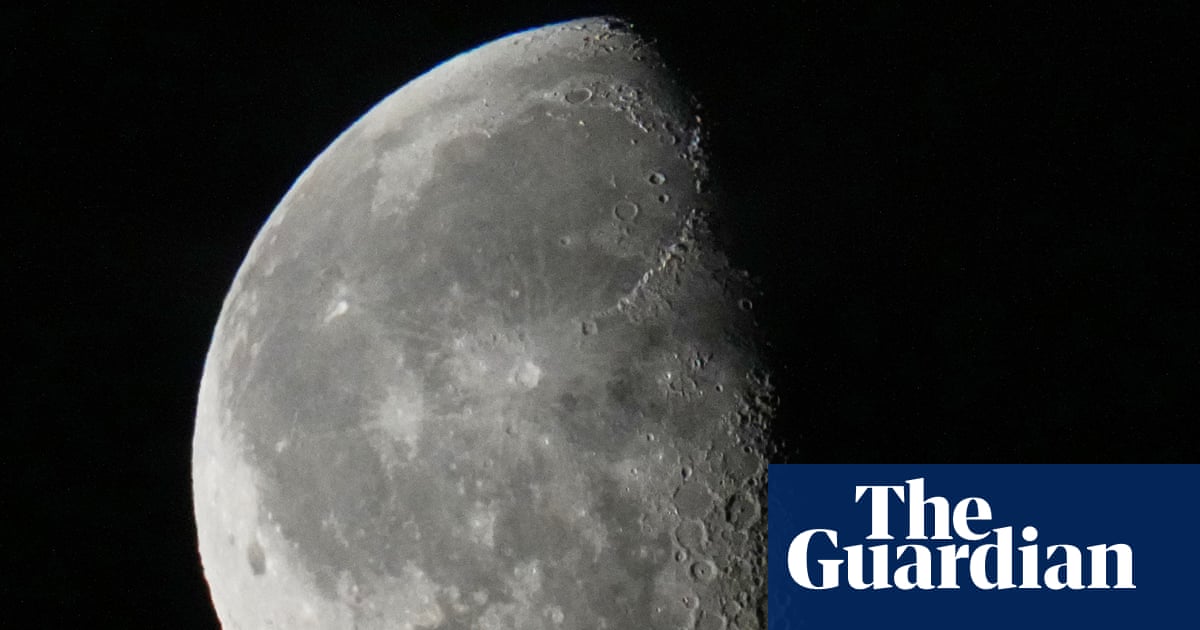
The impact occurred early Wednesday morning, Greenwich Mean Time, when a four-tonne rocket stage, approximately the height of a five-story building, slammed into the Moon at speeds exceeding 5,400 miles per hour. The collision took place near the terminator line, the boundary separating the sunlit portion of the lunar surface from the dark side. This specific location allowed sunlight to briefly illuminate the ejected material, making it visible to ground-based instruments despite the object’s small size relative to the Moon. Without this lighting condition, the event would have been nearly impossible to detect from Earth with the naked eye.
Analysis of the spectral lines indicates the presence of sodium and lithium gases within the plume, which expanded to span tens of kilometers. These chemical fingerprints remained visible for a duration of five to ten minutes before dissipating. Researchers suggest that the sodium likely originated from the lunar regolith itself, disturbed by the force of the impact. In contrast, the lithium traces are believed to have come from the rocket stage, potentially indicating materials used in its construction or propulsion systems. This distinction allows scientists to differentiate between native lunar elements and artificial contaminants introduced by human spaceflight activities.
The detection process was not without challenges. The initial observations were described as a preliminary analysis, with researchers noting that the data collection did not proceed perfectly. Nevertheless, the speed of sharing these findings highlights the scientific community’s interest in understanding such events. The plume’s interaction with sunlight provided crucial clues about its composition, even though direct imaging from orbit was unavailable at the moment of impact. No satellites currently monitoring the Moon were positioned to witness the crash directly, leaving ground-based telescopes as the primary source of immediate evidence.
This event underscores the growing concern regarding space debris in lunar orbit. The rocket stage involved was part of a Falcon 9 launch from January 2025, which carried two lunar landers. While the booster returned to Earth, the upper stage remained in space to propel the landers toward their destination before eventually becoming uncontrolled debris. Although meteoroid impacts are common on the Moon, collisions with artificial objects are less frequent but carry different implications for future exploration missions. Understanding the hazards posed by such debris is critical as agencies plan for increased activity in cislunar space.
Experts emphasize that data from this collision could inform future seismic experiments and safety protocols. Benjamin Fernando of Los Alamos National Laboratory noted that the impact offers valuable information for assessing risks associated with artificial space debris. As NASA and other international partners work toward establishing a sustained human presence on the Moon, characterizing the lunar environment—including the potential dangers posed by orbiting junk—becomes increasingly important. The ability to predict and mitigate these hazards will be essential for protecting both robotic assets and future astronauts.
Further analysis is expected in the coming days as orbital probes adjust their trajectories to image the impact site. NASA’s Lunar Reconnaissance Orbiter and South Korea’s Pathfinder Lunar Orbiter are scheduled to capture photographs of the area, which may reveal details about the wreckage and the resulting crater. However, receiving this imagery could take several days due to orbital mechanics and data transmission schedules. Until then, the spectral data from Chile remains the most detailed account of the event, providing a snapshot of the immediate aftermath.
The incident also serves as a reminder of the sheer volume of objects currently orbiting Earth and beyond. The rocket stage was just one among tens of thousands of pieces of space junk circling the planet. While the Moon routinely withstands impacts from natural meteoroids, artificial collisions introduce new variables that scientists are only beginning to understand. This event provides a unique case study for observing how high-speed impacts affect the lunar surface and what materials are released into the exosphere. Future missions may benefit from these insights as they design equipment and plan operations in an increasingly crowded space environment.
Amateur stargazers and professional astronomers alike had been anticipating the opportunity to observe the plume, highlighting the public interest in lunar exploration milestones. The successful detection of chemical signatures demonstrates the capability of modern ground-based telescopes to monitor dynamic events on other celestial bodies. As space agencies continue to push the boundaries of exploration, incidents like this will become more common, necessitating robust monitoring systems and analytical frameworks. The data gathered from this single impact contributes to a broader understanding of lunar geology and the long-term sustainability of human activities in space.
Looking ahead, scientists plan to refine their analysis of the spectral data as more information becomes available. The initial findings are considered crude but significant, marking a step forward in our ability to study transient lunar phenomena. As orbital images arrive, they will complement the ground-based observations, offering a more complete picture of the impact’s physical and chemical effects. This multi-faceted approach to studying space debris impacts will likely become standard practice as the Moon transitions from a distant object of observation to a destination for sustained human presence.
Sources behind this briefing
Go to the original reporting
- The Guardian US↗‘Spectral lines’ and a giant plume: what science saw when the SpaceX rocket hit the moon

