The short version
- Teenage girls in Northeast England created a film detailing the pervasive misogyny and sexual threats they encounter in schools and online environments.
- Charity leaders warn that normalized abusive language contributes to early relationship violence, with some adolescents failing to recognize mistreatment as harmful.
- The government has announced new measures for teachers to challenge sexist attitudes, while experts call for broader educational strategies targeting boys' behavior.
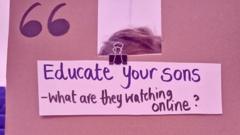
A group of teenage students from Tyneside in Northeast England has released a campaign video exposing the severe misogyny and sexual harassment they regularly endure within their school environments. The film serves as a direct appeal to policymakers, having been shared with the Department for Education and Prime Minister Andy Burnham. The students describe feeling frightened and worthless due to the explicit nature of the abuse, which often includes threats of violence and rape disguised as casual banter.
One particularly disturbing account involves a list created by male students ranking female peers based on their desirability as victims of sexual assault. This incident left one girl deeply disturbed, noting that such behavior creates an atmosphere of uncertainty regarding others' true intentions. The students report that these experiences are not isolated incidents but part of a broader pattern of contempt and prejudice against women that permeates both physical school spaces and digital platforms.
The North East region currently records the highest rate of violence against women and girls in England, a statistic that charities link directly to unchallenged attitudes formed during adolescence. Catherine Marchant, chief executive of Impact Family Services in South Tyneside, emphasized that normalizing violent misogynistic views in schools can lead young people to accept abuse as standard behavior in romantic relationships. She noted an alarming trend where teenagers as young as fifteen or sixteen are only beginning to recognize that their early relationships were abusive.
Marchant highlighted the generational cycle of abuse observed by her organization, stating that intervention must begin with education. She reported cases involving thirteen-year-olds engaging in sexual violence, often without understanding that such actions are wrong because they have not been explicitly taught otherwise. The lack of clear messaging means that some boys do not realize their behavior is unacceptable, while girls may not identify the abuse they are suffering.
The film was produced in collaboration with This Life Collective, an organization providing therapeutic support to young people. Sue Davison, a specialist teacher and director involved in the project, pointed to the influence of social media influencers promoting toxic masculinity as a significant factor affecting disenfranchised boys. She observed that while the majority of male students do not escalate verbal aggression into physical acts, the language itself has become increasingly violent and aggressive, causing discomfort among those who reject such behavior.
The impact of this environment extends beyond the classroom, altering how young women navigate public spaces. The students described changing their daily routines to feel safer, such as avoiding groups of young men or taking longer routes home to ensure they are in well-populated areas. They characterized these adjustments as instinctual fight-or-flight responses, expressing frustration that they cannot simply walk home without fear or calculation.
In response to the growing crisis, the government stated it is taking decisive action to halve violence against women and girls, with new guidelines for teachers set to begin in September. These changes aim to equip educators with tools to challenge misogyny effectively. However, experts argue that current interventions are insufficient without a parallel narrative for boys. Dr. Alex Blower, founder of Boys' Impact, noted that while empowerment messaging has targeted girls for decades, young men have been left without positive models for healthy masculinity.
Blower suggested that the void in guidance for boys has been filled by online actors promoting harmful definitions of success and manhood. He praised the students for their bravery in sharing their stories but stressed the need for comprehensive educational efforts that create hopeful, values-based expectations for young men as partners and community members. The ultimate goal is to shift cultural norms before abusive patterns become entrenched in adult relationships.
Sources behind this briefing
Go to the original reporting
- BBC News↗'Rape list' part of misogyny girls face at school

