The short version
- Four states have enacted laws mandating the display of the Ten Commandments in public schools, sparking legal challenges and teacher resistance.
- Educators are responding through lawsuits, resignations, and alternative displays that highlight other religious or secular values to maintain classroom neutrality.
- The Supreme Court is expected to consider these cases this fall, potentially reshaping the interpretation of the First Amendment regarding religion in public education.
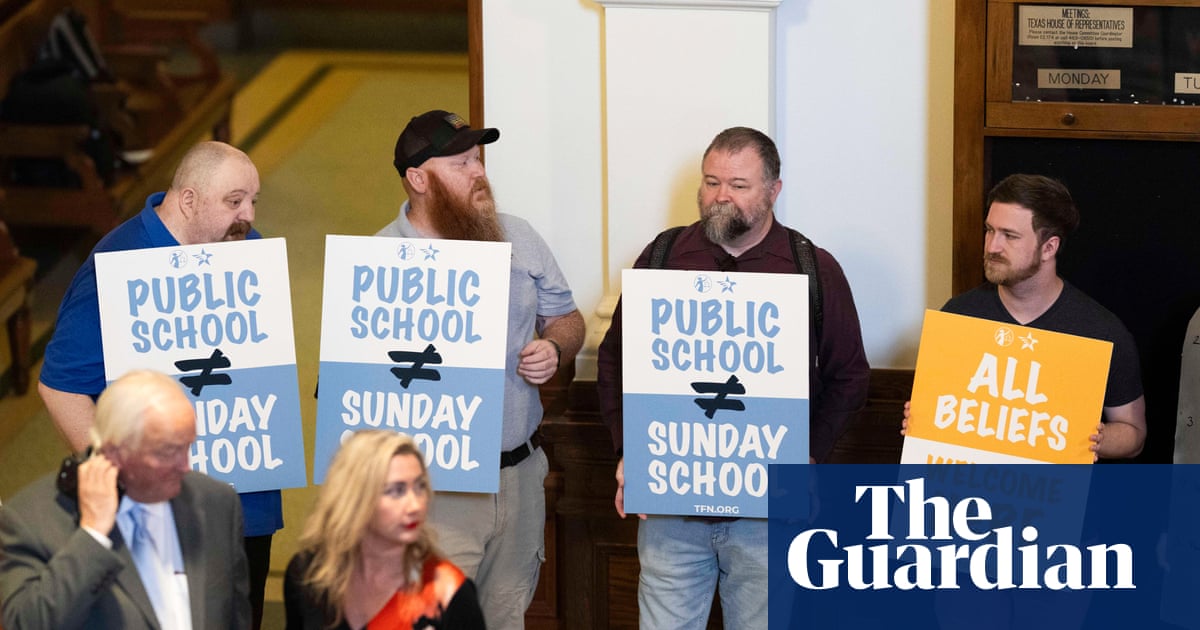
A growing number of public school educators across the United States are actively resisting state mandates that require the display of the Ten Commandments in classrooms. This pushback has emerged in Louisiana, Texas, Arkansas, and Alabama, where legislation has been passed compelling teachers to post the religious text from kindergarten through college levels. The conflict raises significant questions about the separation of church and state, with educators arguing that such requirements violate constitutional protections for civil liberties and religious freedom. As these laws take effect, some teachers are choosing legal action while others employ quiet defiance within their own classrooms.
Chris Dier, a history teacher in New Orleans, filed a lawsuit against Louisiana two years ago to challenge the mandate. He emphasized that his objection was not directed at Christianity itself but rather at the government’s role in endorsing specific religious tenets. Dier noted that his teaching career has been dedicated to illustrating how the Constitution protects individuals of all faiths, as well as those with no religious affiliation. Although his legal case has faced delays, he remains steadfast in his refusal to display the poster, even if one is delivered to his door. He expressed a desire to demonstrate that educators can stand firm without turning schools into political battlegrounds.
The resistance extends beyond Louisiana, with similar tensions arising in Texas. There, at least two educators have resigned from their positions in protest of the new requirements. Johnnie Cotton, a band director with forty-two years of experience, cited his commitment to maintaining neutrality regarding politics and religion as the reason for his departure. He stated that he had spent his career ensuring his campus remained free from such influences. Similarly, Gigi Cervantes, a theater teacher, also left her position, joining others who view the mandate as an intrusion into professional educational standards.
In Houston-area schools, kindergarten teacher Taria Usher responded to the delivery of Ten Commandments posters by creating a more inclusive display. Instead of solely featuring the Christian text, she ordered and hung posters representing other belief systems, including the Five Pillars of Islam, the Five Precepts of Buddhism, and yoga principles. Usher described herself as personally Christian but professionally secular, arguing that publicly funded classrooms should not serve as venues for religious instruction. She launched a petition urging the school board to either join an American Civil Liberties Union lawsuit against the state or allow teachers to remove the posters without facing repercussions.
Usher characterized the state mandate as a form of bullying driven by Christian nationalism. She rejected the argument that the Ten Commandments are inherently part of American heritage, pointing out that for many African Americans, that history is defined by oppression and slavery rather than moral unity. Her perspective highlights the cultural and historical divisions that underpin this debate. By surrounding the mandated poster with other religious texts, she aimed to contextualize the display within a broader framework of global belief systems, thereby diluting its exclusive prominence.
Support for resisting teachers has materialized through various organizations and online resources. Websites like IllegalPoster.com have emerged to provide educators with free materials, including LGBTQ-themed versions of the Ten Commandments and informational posters explaining why the mandates may be unconstitutional. These resources aim to empower teachers who feel pressured by state laws but wish to uphold constitutional principles. The availability of such tools suggests a coordinated effort to support individual acts of defiance while building a broader narrative around religious neutrality in public education.
Proponents of the laws, including Texas Attorney General Ken Paxton, argue that the Ten Commandments are deeply intertwined with America’s legal, moral, and historical foundations. They contend that displaying the text is a recognition of heritage rather than an endorsement of religion. However, critics like Daniel Mach of the ACLU Program on Freedom of Religion and Belief view these policies as part of a larger movement by conservative religious groups to inject faith into public institutions. Mach warned that such efforts threaten the longstanding precedent separating government from religious practice.
The legal landscape surrounding these mandates is poised for significant change as the Supreme Court prepares to review several challenges this fall. A 1980 ruling previously struck down a similar Kentucky law, establishing that such displays violate First Amendment rights. The upcoming cases could redefine or reinforce this precedent, with potential implications for religious expression in public schools nationwide. As teachers and administrators navigate this uncertain period, the outcome of these legal battles will determine whether classrooms remain neutral spaces or become arenas for ideological conflict.
While some districts have spent thousands of dollars printing their own posters despite provisions allowing for donations, others are grappling with how to enforce compliance without alienating staff. The situation underscores the complex interplay between state authority, individual conscience, and constitutional law. As more southern states consider similar legislation, the actions of educators in Louisiana and Texas may serve as a template for future resistance or compliance. The coming months will reveal whether the judiciary upholds the traditional wall separating church and state or permits greater religious visibility in public education.
Sources behind this briefing
Go to the original reporting
- The Guardian US↗Not set in stone: teachers are defying mandates to display the Ten Commandments in classrooms

