The short version
- Targeted curfews in Paris, Lyon, Marseille, and other cities helped reduce violence after a weekend of riots and looting.
- Interior Minister Laurent Nuñez offered his resignation after admitting police lost control in some areas, but President Macron rejected the gesture.
- Authorities have arrested more than 2,500 people since the unrest began, including a suspect in the arson attack on Limoges town hall.
French authorities report that targeted curfews imposed across several major cities contributed to a significant decrease in violence during the night following a weekend of widespread riots and looting. Prime Minister Sébastien Lecornu stated that streets remained quiet overnight, attributing the calm to the enforcement of movement restrictions in key urban centers. These measures were applied selectively rather than nationwide, focusing on areas where disorder had been most intense.
The curfews covered parts of central Paris, including the Place de la République and the Les Halles shopping district, both of which saw heavy protester activity over the weekend. Similar restrictions limiting gatherings and movement for young people were enacted in cities such as Marseille, Bordeaux, Nice, Lyon, and Lille. Lecornu emphasized that decisions regarding further curfews would be made locally by regional authorities and mayors based on ground-level conditions.
Despite the reported calm, the government faces mounting pressure regarding its handling of the crisis. Interior Minister Laurent Nuñez admitted that police forces had lost control in certain cities during the peak of the unrest. This acknowledgment drew sharp criticism from opposition politicians who questioned the preparedness of law enforcement agencies. In response to the backlash, Nuñez offered his resignation on Monday, but President Emmanuel Macron declined to accept it.
The scale of the disorder has resulted in significant consequences for both protesters and law enforcement officials. Officials confirmed that more than 2,500 arrests have been made since the disturbances began. The violence also took a toll on police personnel, with approximately 1,000 officers reported injured. One particularly severe incident involved a demonstrator who lost a hand after being struck by a police crowd-control grenade, according to reports from the AFP news agency.
Investigations into specific acts of destruction are underway. French media reported the arrest of a 40-year-old man on suspicion of involvement in an arson attack that severely damaged the town hall in Limoges over the weekend. Le Figaro identified the suspect as a far-left activist with a prior record that had placed him on security services watchlists. This arrest highlights the government's focus on identifying individuals responsible for property damage amidst the broader social unrest.
The current wave of violence represents an escalation from earlier protests that began last month. Initial demonstrations were driven by students demanding improved conditions in schools. However, the movement has since broadened to encompass a wider range of grievances. Trade unions and various protest groups have joined the ranks, swelling the numbers at demonstrations and intensifying the confrontations with authorities.
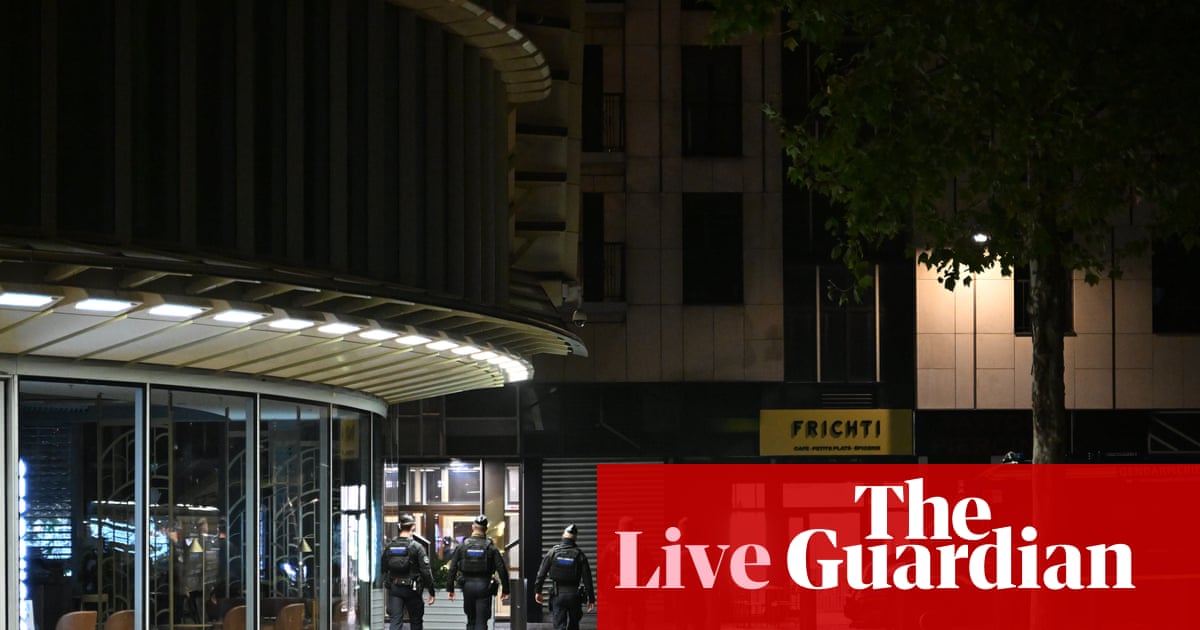
As cleanup operations begin in affected areas, police presence remains high. Lecornu thanked officers and gendarmes for their efforts in enforcing the new measures. The government has indicated that the continuation of curfews will depend on ongoing assessments of public order. Local officials are tasked with determining where restrictions remain necessary to prevent a resurgence of violence.
The situation underscores the challenges facing French authorities in balancing civil liberties with public safety during periods of intense social unrest. While the immediate threat of widespread rioting appears to have subsided due to targeted interventions, underlying tensions persist. The rejection of Nuñez's resignation suggests that the current leadership will remain in place to manage the aftermath and implement further security measures as needed.
Observers note that the shift from student-led protests to broader coalition demonstrations has complicated efforts to resolve the crisis. The involvement of trade unions adds a layer of complexity, as their demands often extend beyond educational issues to include labor rights and economic concerns. Authorities must now address these multifaceted grievances while maintaining order in cities that have seen significant property damage.
Future developments will likely hinge on the effectiveness of local curfews and the ability of police to prevent isolated incidents from spiraling into larger disturbances. The government's strategy relies on decentralized decision-making, allowing mayors and regional leaders to tailor responses to local conditions. This approach aims to provide flexibility while maintaining a unified front against violence.
Sources behind this briefing
Go to the original reporting
- The Guardian World↗French cities ‘calm overnight’ after targeted curfews, prime minister says – Europe live
- BBC News↗French cities calm overnight after curfews imposed to quell violence, PM says