The short version
- City officials report severe deficits in water, food, and medical supplies due to blocked supply routes.
- Houthi leadership denies the existence of a siege, claiming humanitarian corridors remain open for verification.
- Independent monitors cite a pattern of disregard for civilian welfare during the prolonged conflict in Taiz.
The governor of Taiz has issued an urgent appeal to the international community, characterizing the current situation in Yemen’s third-largest city as a deliberate attempt to regress living conditions to pre-modern standards. Nabil Shamsan described a month-long encirclement that has severely restricted the flow of essential goods into the urban center. His briefing aimed to highlight the deteriorating humanitarian landscape and pressure external actors to intervene more decisively to lift the blockade surrounding the population.
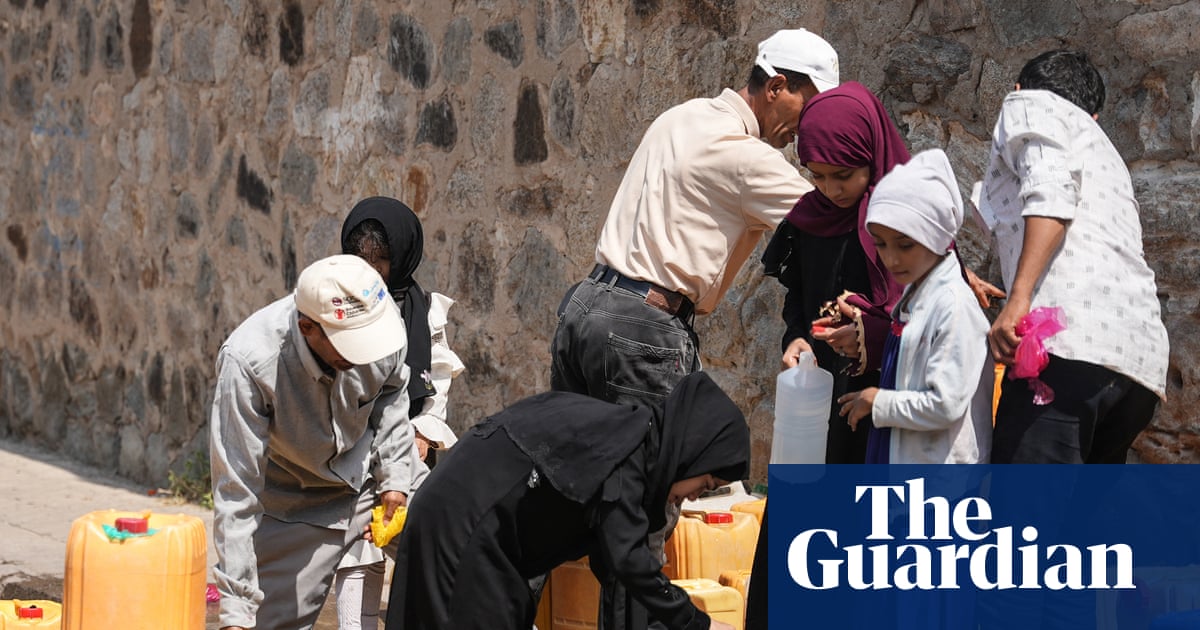
According to Shamsan, the infrastructure supporting daily life is collapsing under the weight of logistical blockades. He stated that while the city requires approximately 35,000 cubic meters of water daily to sustain its residents, less than 1,000 cubic meters are currently reaching the area. This drastic reduction is attributed to roadblocks established by Houthi forces, which intercept shipments before they can enter the city limits. The scarcity has extended beyond water to include food and fuel, leading to the closure of restaurants and a sharp increase in the cost of basic staples like wheat.
The health sector faces particular strain as medical resources dwindle. Shamsan reported that 120 health centers have suspended operations due to lack of supplies, leaving thousands without access to routine care. A critical shortage affects patients requiring dialysis, with an estimated 1,800 individuals unable to receive treatment. Schools have also shut down, disrupting education for hundreds of thousands of children. The accumulation of waste in the streets has become a visible sign of the breakdown in municipal services, as landfill sites are either full or inaccessible due to the ongoing conflict.
Casualty figures provided by the governor indicate significant loss of life and displacement since August. Shamsan stated that 64 people, including civilians, were killed between August and October 20, with 173 others injured. The fighting has driven more than 6,400 families to seek refuge in Taiz, adding pressure to an already strained environment. These displaced households average seven members each, further complicating the distribution of limited resources. Shamsan emphasized that residents are no longer living but merely surviving under these conditions.
The Houthi leadership has offered a starkly different narrative regarding the situation on the ground. Abdul-Malik Badr al-Din al-Houthi denied that a siege exists, asserting that routes for food, medicine, and humanitarian aid remain open. He invited independent observers to verify his claims by visiting the city, suggesting that access is not restricted for those willing to check the facts. This contradiction highlights the deep informational divide between local governance structures under pressure and the armed group controlling surrounding territories.
Beyond immediate physical needs, Shamsan accused Houthi forces of pursuing a broader strategic goal aimed at altering the demographic and cultural identity of the region. He alleged that captured villages are being administered by new religious leaders who impose changes to educational and religious curricula. Residents in occupied areas reportedly face pressure to demonstrate loyalty to Zaydi religious practices and sign documents affirming alignment with Houthi factions. Shamsan characterized these actions not as traditional military maneuvers but as a campaign of vengeance designed to reshape Yemen’s social fabric.
Concerns about forced recruitment have also been raised by the governor. He claimed that children from various villages are being compelled to join frontlines in Saada and other conflict zones without parental consent. This allegation adds another layer of complexity to the humanitarian crisis, suggesting long-term impacts on the younger generation. Shamsan noted that communication networks within the city have been largely disrupted, with Houthi forces controlling mobile infrastructure and monitoring conversations. This surveillance capability limits the ability of residents to coordinate resistance or seek external assistance.
Independent human rights organizations have echoed concerns about the treatment of civilians in Taiz. Niku Jafarnia of Human Rights Watch pointed to a consistent pattern of behavior by Houthi forces over the past twelve years, describing it as a disregard for international law and civilian safety. The organization highlighted that previous sieges involved bombing campaigns and denial of aid, suggesting that current tactics are part of a sustained strategy rather than an isolated incident. As shelling becomes more frequent and contact with rural areas breaks down, the outlook for Taiz remains precarious.
Shamsan concluded his briefing by rejecting symbolic gestures of solidarity in favor of tangible action. He stressed that what is needed most is unrestricted access for United Nations agencies and other humanitarian organizations to deliver supplies directly to the city. With mobile networks compromised and frontlines moving closer to residential areas, the window for effective intervention appears to be narrowing. The governor vowed that residents would continue to resist, but warned that without immediate logistical support, the situation could deteriorate further into irreversible catastrophe.
Sources behind this briefing
Go to the original reporting
- The Guardian US↗Houthis sending Taiz ‘back to the stone age’, governor of besieged Yemen city says