The short version
- Nirmeen Noufl received a sentence reflecting time served, with parole eligibility set for late 2027.
- The judge cited extreme domestic violence as mitigating but noted the brutality of body disposal.
- Prosecutors accepted a plea of excessive self-defense due to the inability to verify fatal wound details.
A Sydney woman has been sentenced to imprisonment for killing her husband, a case that highlights the complex legal intersection between domestic violence defense and the subsequent destruction of evidence. Nirmeen Noufl, 55, pleaded guilty in August to killing Mamdouh Noufl in excessive self-defense during an assault at their home in Greenacre. Justice Peter Hamill imposed a maximum sentence of six years and nine months, but credited time already served since her arrest in October 2024. Consequently, she will remain incarcerated for an additional twelve months, making her eligible for parole in October 2027.
The court proceedings revealed a history of severe abuse that prosecutors and the judge acknowledged as central to understanding Noufl’s actions. Justice Hamill described the relationship as gravely abusive, characterized by violence, psychological manipulation, and coercive control. Mamdouh Noufl held conservative Islamic views and was described as controlling toward his wife and daughters. Days before his death, he reportedly informed his wife that he had met a woman in Egypt whom he intended to marry, yet he denied her request for a divorce.
The fatal incident occurred during an argument on the day Mamdouh Noufl returned home. According to psychiatric evaluations and court statements, he assaulted Noufl by pinning her to the ground and choking her. She stated that she stabbed him once in the chest during this attack. However, because the body was never recovered, investigators could not verify the number of wounds or the precise circumstances of the fatal injury. This lack of physical evidence played a critical role in the legal strategy adopted by both defense and prosecution.
Following the killing, Noufl dismembered her husband’s body using a saw and disposed of the remains in multiple garbage bags across south-west Sydney. Justice Hamill described this disposal as thorough and brutal, noting that the conduct after the killing was remarkable and chilling. The judge indicated that these actions were relevant to assessments of remorse and mitigated against a more lenient outcome, despite the accepted plea of excessive self-defense.
Crown prosecutor Mark Hay explained that the extensive disposal of the body meant the court had to accept Noufl’s version of events regarding the initial killing. Because the body was gone, a murder charge could not be pursued with sufficient certainty. The prosecution accepted the admission to the lesser charge, acknowledging that while the aftermath was disturbing, the primary act stemmed from a defensive response to immediate physical threat.
Justice Hamill addressed the likely disappointment of Mamdouh Noufl’s family regarding the sentence length. He acknowledged the gap between their permanent loss and the judicial outcome, emphasizing that the sentence reflected both the mitigating factors of long-term abuse and the aggravating nature of the body disposal. The judge noted that while the childhood trauma and domestic violence reduced the seriousness of the killing, the post-crime conduct remained a significant factor.
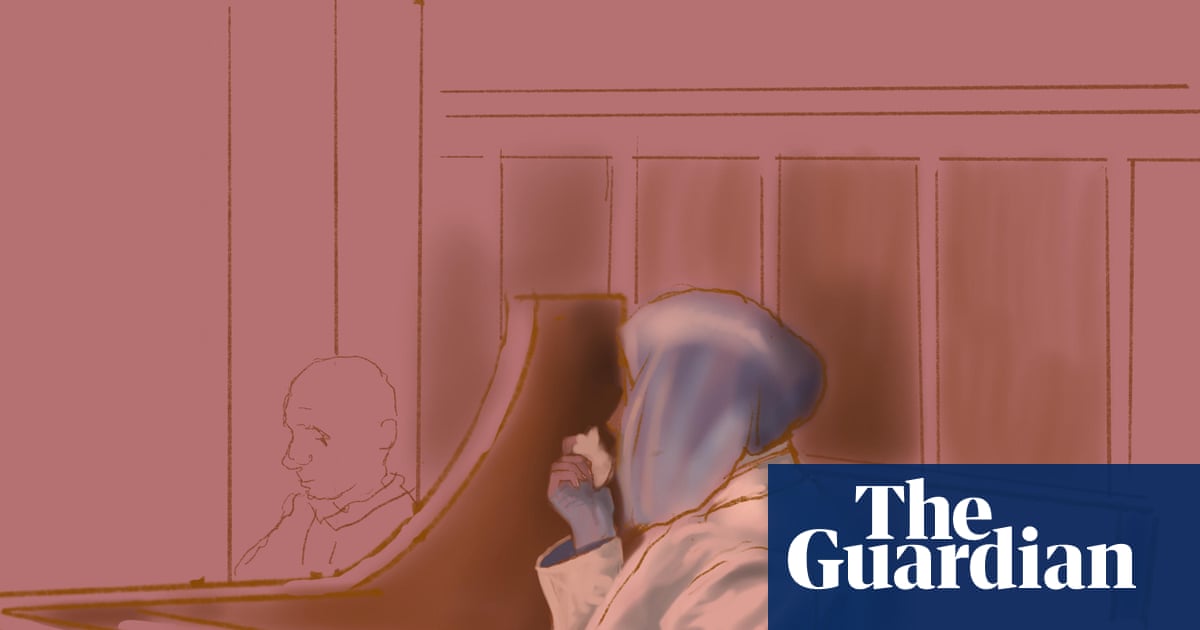
Noufl appeared emotional in court as the circumstances were outlined. Her history includes an extremely traumatic childhood, which compounded the severity of the domestic violence she endured. One of her daughters, who cannot be identified for legal reasons, told the court she would cancel travel plans abroad to assist her mother with psychiatric appointments upon release. This family support structure is expected to play a role in Noufl’s rehabilitation and reintegration into society.
The case underscores the difficulties courts face when dealing with victims of domestic violence who take extreme measures to conceal their actions. While the legal system recognized the defensive nature of the killing, it also imposed penalties for the subsequent destruction of evidence. The outcome serves as a precedent for how excessive self-defense claims are weighed against post-crime behavior in Australian jurisprudence.
Noufl has been in custody since her arrest and will serve the remainder of her sentence under supervision conditions pending parole review. The decision reflects a balance between acknowledging the systemic abuse she suffered and holding her accountable for the brutal disposal of her husband’s remains. Legal experts note that such cases often involve complex psychological factors that challenge traditional notions of culpability.
As Noufl approaches her potential release date, the focus shifts to her mental health support and community reintegration. The court’s emphasis on psychiatric care suggests a recognition of the long-term impact of abuse on her behavior. The case remains a sobering example of how domestic violence can escalate to fatal consequences, even when the victim acts in perceived self-defense.
Sources behind this briefing
Go to the original reporting
- The Guardian World↗Sydney woman sentenced for killing and dismembering abusive husband

