The short version
- The participation medal for the upcoming Sydney Marathon incorrectly features the Allianz Arena in Munich instead of the local Allianz Stadium.
- Race organizers described the mistake as an unfortunate error but emphasized that the event remains a significant milestone for participants.
- The incident has drawn comparisons to previous high-profile medal controversies, including design flaws at the Winter Olympics and Paris Games.
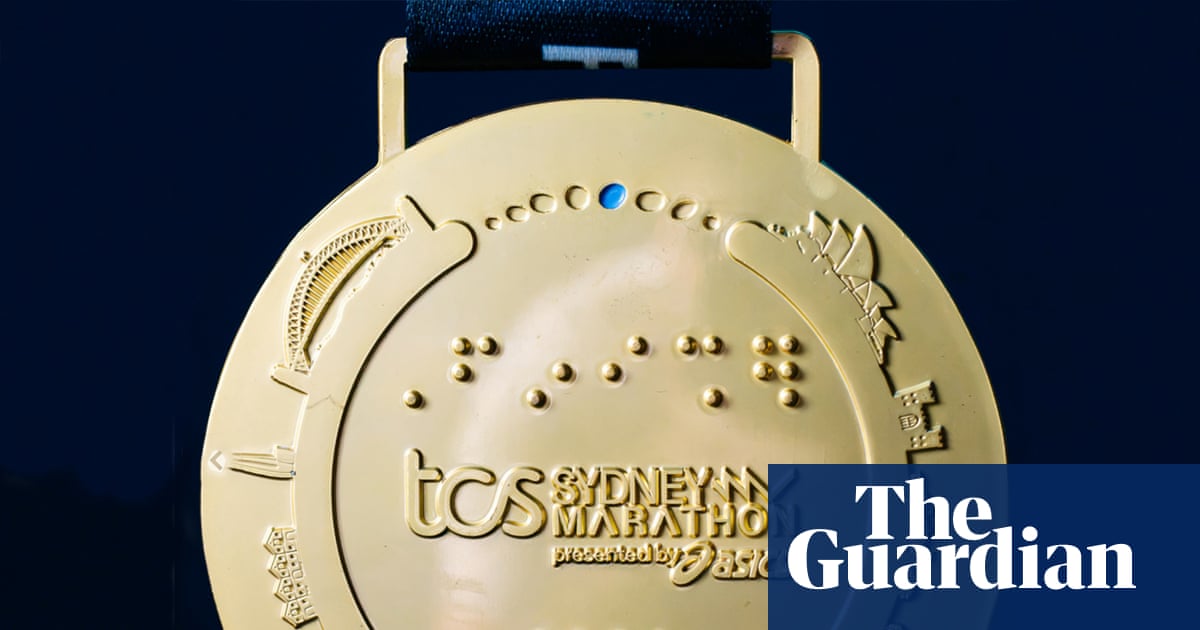
Organizers of the Sydney Marathon have acknowledged a significant design flaw in the participation medals intended for runners completing the race later this month. The error involves the depiction of a major landmark on the reverse side of the award, which was meant to illustrate key sites along the course. Instead of showing the Allianz Stadium in Sydney, which participants pass during the event, the medal features an image of the Allianz Arena located in Munich, Germany.
The mistake came to light after the official social media accounts for the marathon shared images of the medal design with the public. The promotional material highlighted how the artwork captures the story of the course, noting that the skyline brings the route to life with landmarks such as the Sydney Harbour Bridge and the Sydney Opera House. However, the inclusion of a German football stadium created a noticeable discrepancy between the advertised local experience and the physical object runners will receive.
A spokesperson for the TCS Sydney Marathon addressed the issue directly, characterizing the mix-up as an unfortunate error that introduced too much international flavor into the design. The organization stated they would not attempt to hide the mistake, noting that it had generated considerable discussion among potential participants. Despite the inaccuracy, the tone of the response remained light, with organizers observing that the situation had been received mostly with good humor by the running community.
The reaction from the public and media has largely been one of amusement rather than outrage. The BBC reported on the error, and various running blogs highlighted the irony of a Sydney race featuring a Munich landmark. Even the club associated with the German stadium responded to the news with playful commentary, suggesting they had not anticipated such an unexpected appearance on a bingo card for global sports events. This lighthearted reception has helped mitigate potential backlash from runners who invested time and money into training for the event.
The medal itself contains two distinct sides, each with different artistic intentions. While the front side features the erroneous stadium image, the reverse displays an indigo and gold design created by First Nations artist Ambrose Killian. This portion of the medal represents the kilometers of the course and acknowledges the eight global major marathons. Killian clarified that he was not involved in the creation of the other side, separating his artistic contribution from the logistical error made by the event organizers.
The Sydney Marathon is scheduled to take place on August 30, marking a significant moment for the event as it continues its status as a World Marathon major. In the previous year, approximately 35,000 runners from more than 120 countries participated in the race. The scale of the event underscores the importance of accurate branding and merchandise, as thousands of athletes will receive these medals upon completion. Organizers have reiterated that the physical error does not diminish the achievement of the runners or the significance of the occasion.
Officials emphasized that the core value of the medal lies in what it represents rather than its precise imagery. They noted that each award symbolizes months of early mornings, long training runs, and quiet determination. The moment of receiving the medal at the Sydney Opera House is described as an unforgettable experience for participants, regardless of the background image on the metal. The organization expressed gratitude to partners and runners for their understanding and indicated that their primary focus remains on delivering a safe and spectacular event.
This incident adds to a growing list of controversies surrounding official medals in major sporting events. Previous years have seen similar issues, such as the 2012 Edinburgh marathon where some runners noted the phallic profile of their awards. More recently, the Winter Olympics faced reports of medals cracking and snapping, while the Paris Games had to replace bronze medals after they quickly discolored. These recurring problems highlight the challenges in managing large-scale production for high-profile athletic competitions.
As the race date approaches, organizers are moving forward with preparations for the weekend event. The acknowledgment of the error serves as a public relations strategy to manage expectations and maintain goodwill among participants. By addressing the issue openly and maintaining a calm demeanor, the Sydney Marathon team aims to ensure that the focus remains on the athletic achievement of the runners rather than the manufacturing defect. The event proceeds with the understanding that the community has accepted the mistake in good spirit.
The situation illustrates the complexities of coordinating global sporting events where attention to detail is critical but human error remains possible. While the medal design will remain unchanged, the conversation it has sparked provides a unique footnote in the history of the Sydney Marathon. For the thousands of runners preparing to cross the finish line, the medal will serve as a tangible reminder of their endurance, even if its imagery tells a slightly different geographical story than intended.
Sources behind this briefing
Go to the original reporting
- The Guardian US↗Sydney Marathon admits ‘unfortunate error’ as finisher’s medal depicts Munich stadium as race highlight

