The short version
- The Waverley library has restored a book critical of Israel to its shelves after it was removed earlier this month following a complaint from a survivor of the Bondi attacks.
- The State Library of New South Wales intervened by reminding the council of its legal duties under the Library Act, which mandates independence in developing collections.
- The incident has drawn sharp divisions, with some Jewish leaders praising the initial removal while others and human rights advocates condemn it as a threat to free inquiry.
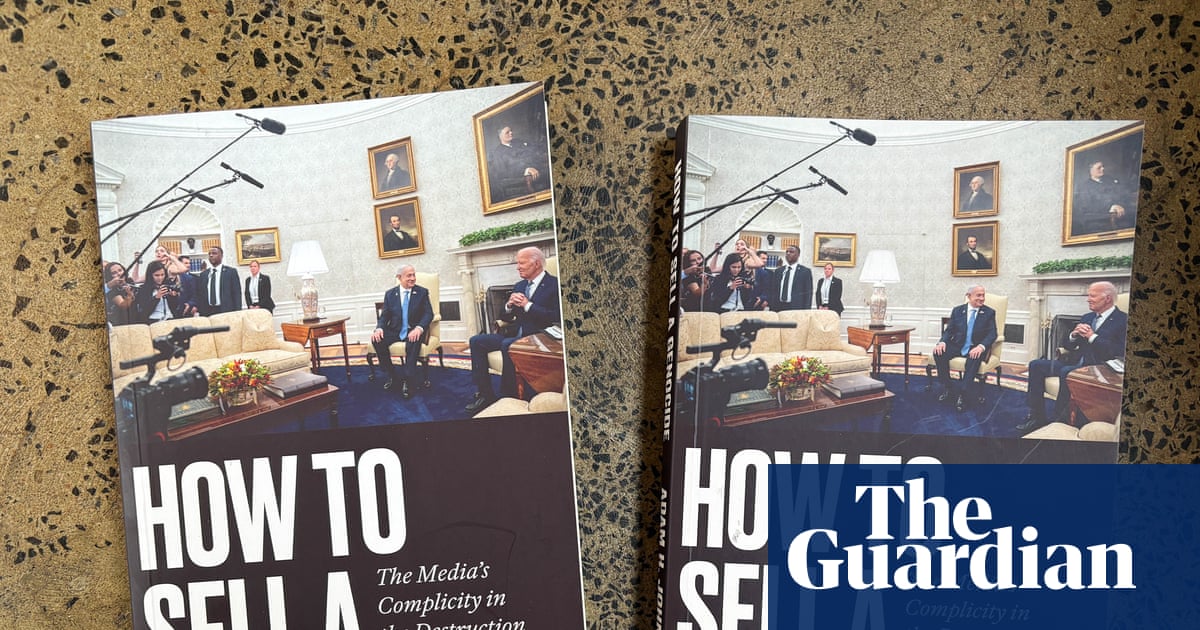
A public library in Sydney’s Waverley Council area has returned a controversial book to its borrowing shelves after a brief period of removal sparked significant public debate. The title, How to Sell a Genocide by Adam Johnson, was taken off display earlier this month following a complaint that linked the material to distress among survivors of the December antisemitic attack in Bondi. The reinstatement follows a coordinated effort involving a public petition and formal guidance from the State Library of New South Wales regarding statutory obligations.
The initial removal occurred after JWire, a Jewish news outlet, reported that a survivor of the Bondi massacre had identified the book on a new release shelf. The individual expressed via social media that seeing the title was painful for those affected by the violence that killed fifteen people. Although Guardian Australia could not independently verify the specific Facebook post, Waverley library staff confirmed the book was pulled for review in response to the concern. The library is located within the same council jurisdiction as Bondi Beach, where the attack took place.
The situation shifted when the State Library of New South Wales wrote to the Waverley Council. Officials reminded the local government of its responsibilities under guidelines from the Library Council of NSW and the Library Act. This legislation was amended in 2026 to strengthen the independence of libraries in curating their collections. A spokesperson for the State Library emphasized support for free and equitable access to information, noting that while materials may not align with every individual’s views, patrons have the right to choose what they read.
Public pressure also played a role in the reversal. Ramia Abdo Sultan, a lawyer and board member of the Australia Palestine Advocacy Network, helped organize an online petition demanding the book’s return. The campaign gathered nearly 2,500 signatures. The petition acknowledged the grief and trauma associated with antisemitic violence but argued that individual offense should not dictate public access to information. By late August, library staff confirmed that the title was back on the shelves, with twenty-one people reportedly waiting to borrow it.
Adam Johnson, the author of the book published by Pluto Press, welcomed the decision to reinstate his work. The text critiques what it describes as US media complicity in the destruction of Gaza. However, Johnson criticized the council for not disclosing the specific complaint that triggered the removal. He stated he might pursue legal channels to obtain that information. Johnson framed the incident not merely as a local dispute but as part of a broader trend of suppressing pro-Palestine speech in Australia over the past seven months.
The episode has highlighted deep divisions within community organizations regarding free expression and sensitivity to trauma. Alex Ryvchin, co-chief executive officer of the Executive Council of Australian Jewry, had previously supported the book’s removal. He told the Sydney Morning Herald that such material had no place in a library near the site of the Bondi attacks and commended the survivor who raised the issue. His stance reflects the perspective that proximity to tragedy warrants careful consideration of displayed materials.
Conversely, other Jewish leaders and human rights advocates condemned the initial removal. Bart Shteinman, an executive member of the progressive Jewish Council of Australia, argued that banning books undermines the fight against antisemitism and racism. He stated that no council should engage in such censorship. Nasser Mashni, president of the Australia Palestine Advocacy Network, expressed concern that a single complaint was sufficient to trigger the removal of a book discussing genocide in Palestine. He urged resistance to efforts that limit open debate.
The controversy intersects with ongoing international legal debates regarding Israel’s actions in Gaza. Multiple human rights groups have characterized these actions as genocide, a claim Israel denies. In June, an independent UN inquiry found evidence that Israel continued to commit genocide by deliberately targeting Palestinian civilians. This backdrop adds complexity to the local library dispute, linking municipal collection decisions to broader geopolitical and legal narratives. The Waverley Council has not provided further comment on the specific rationale for the initial removal or the subsequent reversal.
The resolution of this incident underscores the tension between community sensitivity and statutory mandates for library independence. While the State Library’s intervention clarified the legal framework, the emotional impact of the Bondi attacks remains a potent factor in public discourse. The reinstatement of the book does not resolve the underlying disagreements about how libraries should balance free access with the distress caused by controversial content. Future cases may test whether similar interventions will occur when local complaints challenge collection policies.
Sources behind this briefing
Go to the original reporting
- The Guardian World↗Bondi library returns book How to Sell a Genocide to shelves after State Library ‘outlines the law’

