The short version
- Approximately 70 percent of Swiss voters rejected a proposal to enshrine strict neutrality in the constitution, defeating a measure backed by the Swiss People’s Party.
- The outcome allows Bern to maintain its current policy of mirroring European Union sanctions against Russia and continuing long-standing security cooperation with NATO.
- Political analysts view the result as a validation of the government's flexible interpretation of neutrality, rejecting calls for isolationism that critics argued served Russian interests.
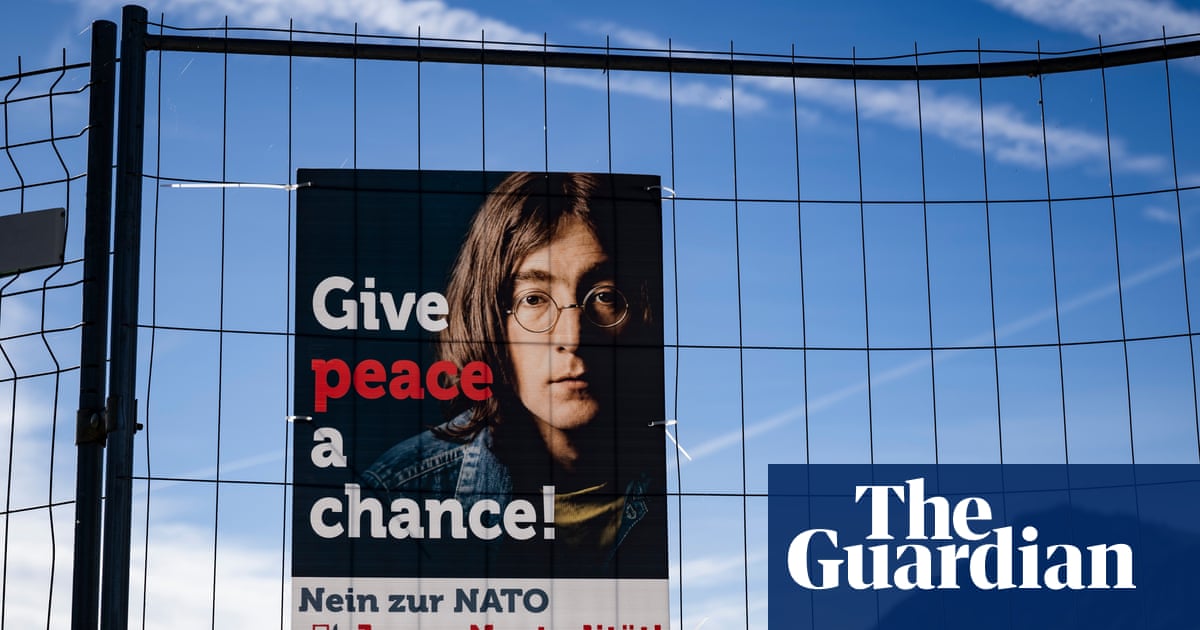
Swiss voters have decisively rejected a proposal to codify a strict definition of neutrality into the national constitution, marking a significant victory for the federal government’s current foreign policy approach. Final results from the Federal Statistical Office indicate that approximately 70 percent of participants voted against the measure, with every canton in the country opposing the change. The initiative, which sought to legally bind Switzerland to a rigid interpretation of its historical stance, would have required the nation to curtail cooperation with NATO and abandon sanctions imposed on Russia following its full-scale invasion of Ukraine in 2022.
The defeated motion aimed to enshrine the principle of perpetual and armed neutrality, barring the country from joining any military alliances or imposing sanctions on warring states unless explicitly mandated by the United Nations. Proponents of the measure, led by the far-right Swiss People’s Party, argued that Switzerland’s traditional neutrality had been eroded by its decision to align with European Union punitive measures against Moscow. They contended that these actions compromised the nation’s long-standing status as a neutral actor on the global stage, a position formally recognized after the Napoleonic Wars concluded in 1815.
Opponents of the initiative, including the Swiss government and most major political parties, warned that adopting such strict limitations would isolate Switzerland internationally and diminish its reliability as a partner in security matters. They argued that a rigid constitutional definition would leave the country less secure in the event of an attack and severely restrict its ability to collaborate with NATO, despite not being a formal member of the alliance. For three decades, Switzerland has maintained cooperative ties with the transatlantic military organization, a relationship that officials insisted is compatible with a modern, evolving understanding of neutrality.
The campaign was heavily supported by Christoph Blocher, a billionaire backer of the Swiss People’s Party, who reportedly invested two million francs into the effort. Despite this financial backing and the party’s prominence in promoting the initiative, the defeat represents a substantial setback for its leadership. The SVP has accepted the outcome and stated it has no immediate plans to pursue further action on this specific issue. The result is seen as a relief across Europe, where maintaining unity on sanctions against Russia remains a critical but increasingly strained objective among member states.
Political observers noted that the yes campaign struggled to overcome perceptions that it was acting in alignment with Russian interests. Russia’s foreign ministry had publicly praised the initiative while criticizing Switzerland for adopting EU sanctions, claiming the country was abandoning its neutral principles. This dynamic appeared to influence voter sentiment, as many citizens viewed the proposal not as a defense of neutrality but as an attempt to shirk international responsibilities when global law is violated. Sibel Arslan, a lawmaker for the Green party, emphasized that voters understood the intent behind the measure and rejected what they saw as a move toward isolationism.
Analysts suggest the referendum outcome reflects public contentment with how the government currently interprets Swiss neutrality. Katy Romy, a correspondent for SwissInfo, noted that the people have signaled their acceptance of neutrality as an instrument capable of evolution. This perspective allows the government to retain flexibility in adapting its policies to geopolitical upheavals without being constrained by rigid constitutional mandates. The ability to maneuver in response to changing international dynamics is viewed as essential for maintaining national security and diplomatic relevance.
The rejection of stricter neutrality rules underscores a broader trend in Swiss politics where voters are willing to support pragmatic foreign policy decisions over ideological purity. While the concept of neutrality remains central to Swiss identity, its application has shifted to accommodate contemporary security challenges. The government’s stance that cooperation with NATO and participation in international sanctions do not violate neutrality appears to have resonated with the electorate. This balance between tradition and modernity will likely continue to shape Switzerland’s role in European and global affairs.
Looking ahead, the result reinforces the federal government’s authority to manage foreign relations without needing to seek popular approval for every diplomatic adjustment. The defeat of the SVP initiative removes a potential legal barrier to future cooperation with international partners. As geopolitical tensions persist, Switzerland’s ability to maintain its neutral status while engaging actively in global security frameworks will remain a key focus for policymakers. The referendum serves as a clear mandate for the current administration to continue its course, balancing historical commitments with present-day realities.
Sources behind this briefing
Go to the original reporting
- The Guardian World↗Swiss voters reject stricter neutrality rules that would curb Nato cooperation

