The short version
- Horace Mason, a 74-year-old British national with advanced dementia living in Sweden for 25 years, has been ordered to leave the country within ten days.
- The Swedish migration court of appeals determined that the government's interest in controlling immigration supersedes Mason's need for continuous care and established private life.
- This case reflects a wider pattern of strict enforcement by Swedish authorities, with refusal rates for British residency applications significantly higher than the European Union average.
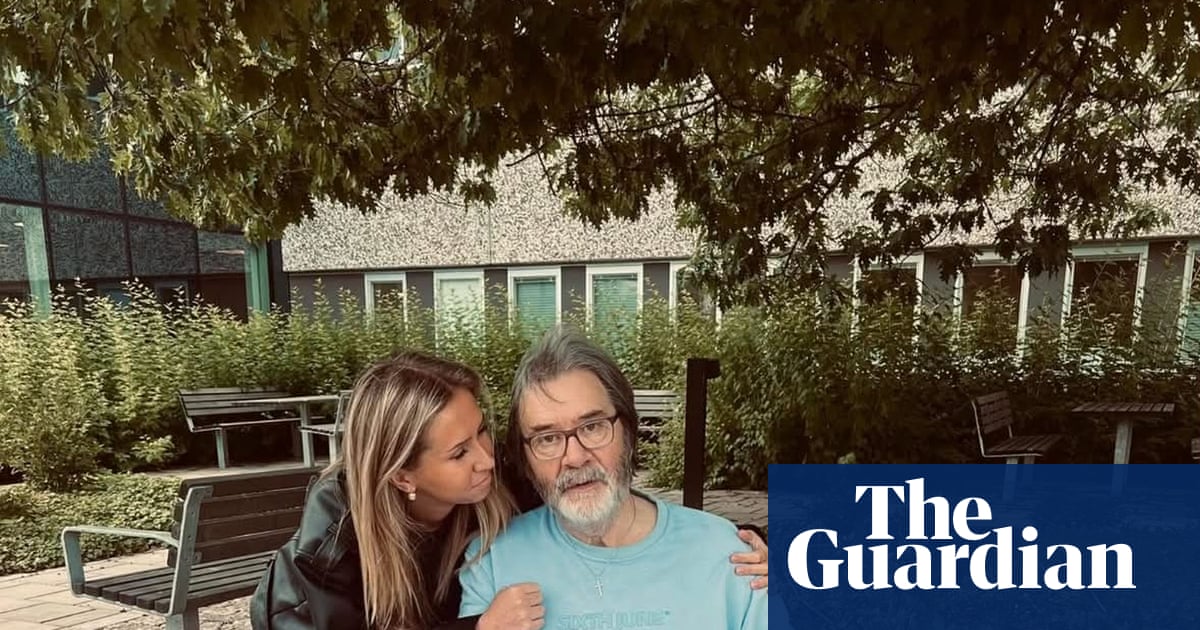
A Swedish migration court has ordered Horace Mason, a 74-year-old British citizen suffering from advanced dementia, to leave Sweden within ten days. The ruling, issued in July, mandates his departure despite his long-term residence and severe health vulnerabilities. Mason has lived in Sweden for approximately 25 years, moving there around the year 2000 to be near his son and grandchildren. He currently resides in full-time residential care due to vascular dementia and vascular parkinsonism, conditions that render him immobile and dependent on round-the-clock assistance for daily activities.
The legal decision prioritizes the Swedish government’s objective of regulated immigration over Mason’s personal circumstances. The migration court of appeals stated that the state’s interest in controlling borders outweighs Mason’s interest in continuing to reside in the country. This assessment was made under the Aliens Act, which allows for residence exceptions in particularly distressing situations. The court concluded that deporting Mason is proportionate regarding Article 8 of the European Convention on Human Rights, which protects the right to respect for private and family life.
Mason’s legal troubles began when his mental capacity declined, necessitating the appointment of a trustee with power of attorney. An application for a residence permit submitted in December 2021 was rejected by the Swedish migration agency last November. The agency cited a failure to submit documents proving he met residency requirements. Subsequent appeals were also denied, leading the family to seek review under provisions for distressing circumstances. They presented new medical evidence detailing his extensive need for supervision and argued that removing him would violate his human rights.
The court acknowledged Mason’s private life and adaptation to Sweden but determined these factors did not outweigh state interests. It noted that dementia care is available in the United Kingdom and that Mason has a daughter residing there. However, private medical evidence presented indicated that this daughter is unable to provide the necessary care, a role currently fulfilled by his son, Carl. The court’s balancing test resulted in a finding that deportation remains appropriate despite the logistical and emotional challenges involved.
Carl Mason, who manages his father’s affairs, expressed profound distress upon learning of the deadline. He reported that Horace is confused and anxious, repeatedly asking if police will arrest him or kick down doors. Carl has attempted to shield his father from the details of the case due to his fragile mental state. The family now faces the urgent task of arranging Mason’s transfer back to the United Kingdom, a process complicated by his inability to travel independently or start a new life without support.
The UK government has acknowledged awareness of the situation and stated it is supporting Mason and his family while maintaining contact with Swedish authorities. This case echoes previous incidents involving British nationals in Sweden, including Kathleen Poole, who faced deportation threats before dying in a care home two years ago. It also parallels the situation of Joyce Thomas, an 78-year-old widow facing similar deportation risks due to late Brexit paperwork despite living in Sweden for over two decades.
Broader data suggests that Swedish authorities are applying stricter standards than other European Union member states regarding British residency applications. David Milstead, a campaigner for British nationals in Sweden, noted that the refusal rate for applications submitted by the end of 2024 was 27.5 percent. This figure is substantially higher than the EU average of three to four percent and triple the rate seen in other member states. Critics argue this approach disregards key protections within the Brexit withdrawal agreement.
Carl Mason is preparing to challenge the decision further by appealing to the European Court of Human Rights in Strasbourg. To cover the estimated legal costs of 50,000 kronor, he has launched a crowdfunding campaign. The case underscores the difficult reality for elderly British expatriates who may have missed administrative deadlines or whose health deteriorated after Brexit. As the deadline approaches, the family remains uncertain about the outcome and the practicalities of relocating a severely ill individual across borders.
The incident highlights ongoing friction between national immigration policies and individual humanitarian concerns. While Swedish officials maintain that regulated migration is a priority, advocates argue that the current enforcement strategy is out of step with broader European norms. The resolution of Mason’s case may set a precedent for how similar situations involving vulnerable non-citizens are handled in the post-Brexit landscape. For now, the focus remains on preventing immediate harm to Mason while legal avenues are exhausted.
Sources behind this briefing
Go to the original reporting
- The Guardian World↗British man with dementia told to leave Sweden after losing migration case

