The short version
- Sweden has deported nearly five hundred British citizens since Brexit, a rate higher than any other EU member state relative to population size.
- Opposition parties preparing to form the next government have promised urgent laws to allow Britons a second chance at residency applications.
- Critics argue that hardline immigration policies are being applied to long-term residents who integrated into society and committed no crimes.
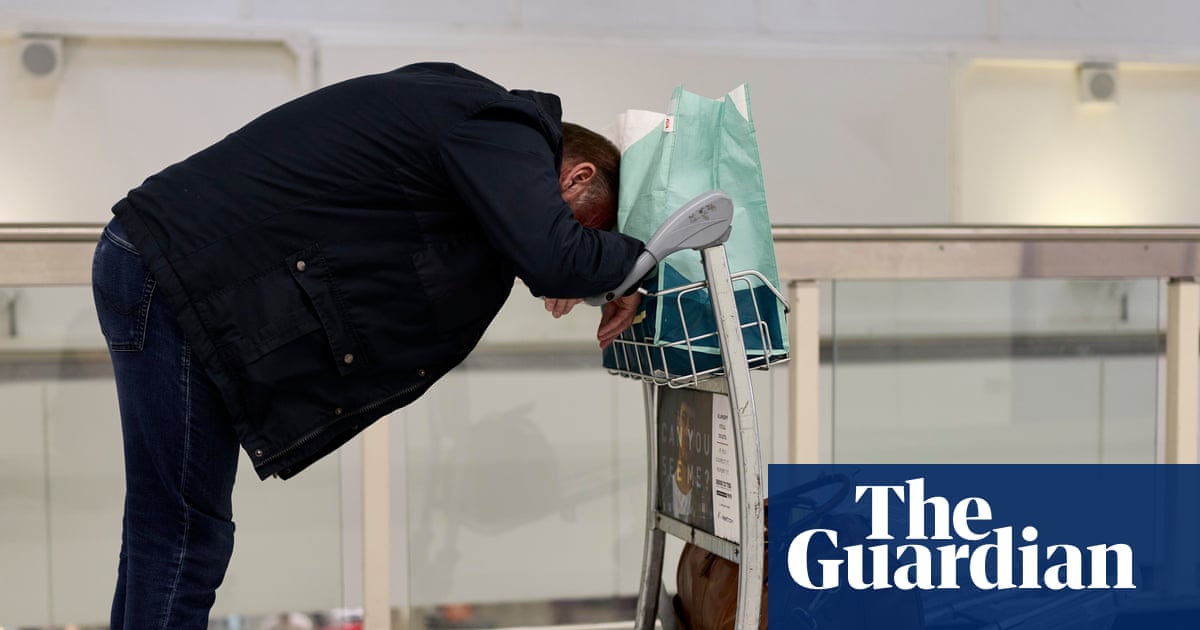
The enforcement of strict immigration policies in Sweden continues to impact British citizens who lived in the country before Brexit, despite political promises to ease restrictions. A recent deportation case involving a sixty-five-year-old former business director illustrates the personal toll of these measures. The man, identified only as Charles, arrived at Heathrow Airport with minimal belongings and no place to stay, having been separated from his Swedish wife and home after a five-year legal battle to maintain his residency status.
Charles had lived in Sweden for nearly nine years before his removal. He described himself as an integrated member of society who contributed to the local economy and learned basic Swedish. Upon arrival in London, he was visibly distressed, carrying only two bags packed by his wife and a sealed envelope from the Swedish Prison and Probation Service containing items such as toothpaste and earplugs provided during his detention. He expressed confusion over why he was being treated like a criminal despite having no record of wrongdoing.
The incident began when Charles and his wife received a text message summoning them to a local police station to discuss their migration case. They believed the meeting would address their ongoing efforts to prove lawful residence prior to Brexit. Instead, Charles was immediately detained and informed that he would be deported. Authorities stated they feared he might abscond if not held, a claim he disputed by noting his consistent cooperation over the years. He requested permission to drive back to the United Kingdom to gather belongings but was denied.
Sweden has already deported four hundred fifty-eight British people following rejected residency applications. This figure represents a higher proportion of deportations per capita than any other European Union member state. The situation persists even as opposition parties, which are on track to form the next government, have pledged to introduce urgent legislation giving Britons another opportunity to apply for residency. These promises have not yet translated into policy changes, leaving current enforcement measures in place.
The case of Charles is part of a broader pattern that has drawn criticism from campaign groups such as British in Europe. This organization has raised concerns about Sweden’s hardline approach for years, but the issue gained significant political traction this summer after several controversial cases emerged. These included removal orders issued to an elderly widow who had lived in Sweden for twenty-one years and a man with dementia who had resided there for twenty-five years. Another case involved a thirty-four-year-old British man deported in January after arriving in the country as a child.
Under European Union law prior to Brexit, British citizens could live, work, study, or retire in any member state without restriction. Deportation was generally reserved for exceptional circumstances involving serious criminality, such as terrorism. The legally binding withdrawal agreement guaranteed that Britons and EU citizens who had exercised these free movement rights before the UK’s departure would retain their right to remain in their host countries. However, disputes over residency applications have led to numerous removals, challenging the spirit of those guarantees.
Charles’s experience underscores the uncertainty facing long-term British residents in Sweden. He described feeling punished for his integration and contributions to Swedish society. His forced departure highlights the gap between political rhetoric and administrative reality. While opposition leaders promise legislative relief, current authorities continue to enforce strict interpretations of immigration law. This creates a precarious environment for thousands of Britons who have built their lives in Sweden over decades.
The practical significance of these deportations extends beyond individual cases. They reflect a broader tension between national sovereignty and international agreements regarding residency rights. For those affected, the consequences are immediate and severe, including homelessness and family separation. As the political landscape shifts with new government formations, the question remains whether promised reforms will materialize in time to prevent further removals. Until then, individuals like Charles remain vulnerable to enforcement actions that contradict their long-standing ties to their adopted home.
Observers note that the hardline stance may be influenced by broader immigration debates within Sweden. The treatment of British citizens appears to mirror stricter policies applied to other non-EU nationals. This convergence raises questions about whether Brexit has inadvertently subjected Britons to the same rigorous scrutiny as other immigrant groups. The lack of clear communication from authorities adds to the confusion and distress experienced by those facing deportation orders.
What comes next depends largely on the legislative agenda of the incoming government. If opposition parties follow through on their pledges, Britons may receive a second chance to prove their eligibility for residency. However, until such laws are enacted, current enforcement practices will likely continue. The case serves as a stark reminder of the human cost of bureaucratic rigidity and the urgent need for policy clarity in the post-Brexit era.
Sources behind this briefing
Go to the original reporting
- The Guardian US↗‘I have nothing in the UK at all’: British man torn from his Swedish wife and home

