The short version
- Volodymyr Zhuravlev was detained in Pula, Croatia, on a European arrest warrant issued by German authorities seeking his prosecution for the 2022 Nord Stream pipeline explosions.
- Zhuravlev had been serving as a consultant for a film directed by Doug Liman that dramatizes the alleged sabotage, creating an unusual intersection of entertainment production and international criminal investigation.
- His defense team is expected to challenge extradition based on a previous Polish court ruling that declined to execute a similar warrant, arguing Germany lacks jurisdiction over acts committed during wartime.
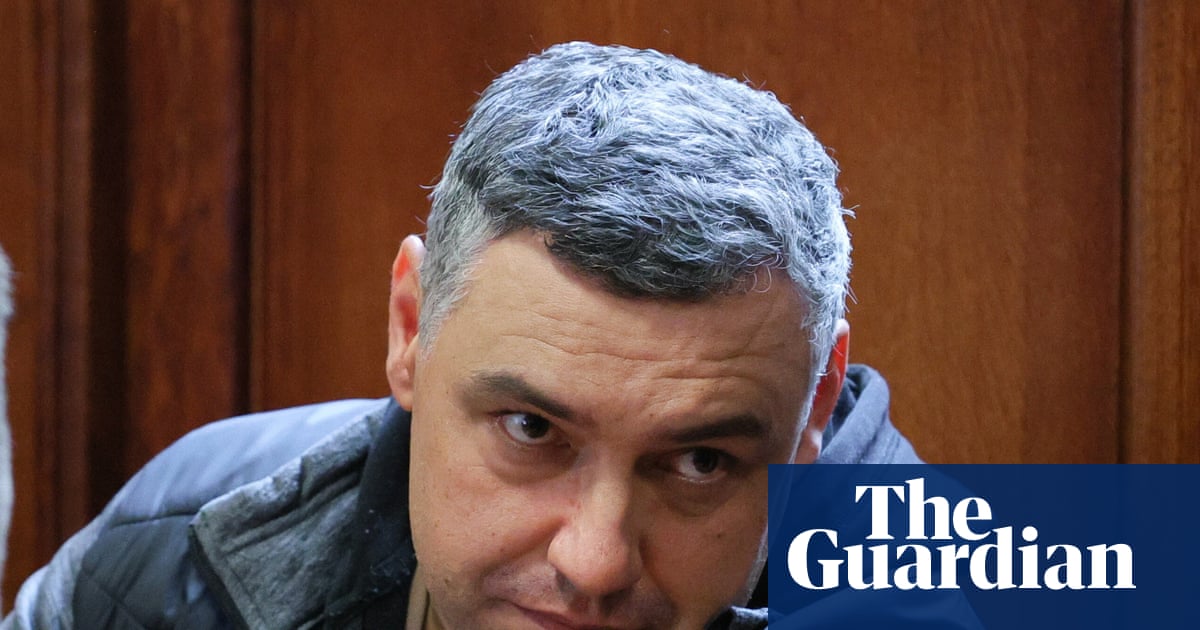
Volodymyr Zhuravlev, a Ukrainian national identified by German prosecutors as a key suspect in the 2022 Nord Stream pipeline explosions, was arrested in Croatia on Wednesday. The detention occurred in Pula, a coastal city where Zhuravlev had been working as a consultant for a Hollywood film production. German federal prosecutors confirmed that local police executed a European arrest warrant to secure his custody. This development marks the first time authorities have successfully detained Zhuravlev since he initially evaded capture in Poland two years ago.
The circumstances of the arrest highlight an unusual convergence of cinematic storytelling and international criminal justice. Zhuravlev was assisting on the set of Snake Island, a political thriller directed by Doug Liman that dramatizes the underwater sabotage of the gas pipelines connecting Russia to Germany. The film stars Sean Penn and Adrien Brody and features scenes shot in Zagreb and Pula. While the production company has not issued a formal statement regarding the arrest, media reports indicate Zhuravlev was actively involved in the project when authorities moved against him.
German investigators allege that Zhuravlev is an experienced scuba diver who participated in planting explosives on the pipelines off the coast of Denmark. Prosecutors claim he acted under the direction of Serhii K, another Ukrainian national who was extradited from Italy to Germany in 2025. Authorities suggest both men had ties to Ukrainian state entities and operated under orders from intelligence officials. These allegations remain contested by the accused and their legal representatives.
Zhuravlev’s path to custody has been marked by procedural delays and legal challenges. In 2024, he avoided arrest in Poland after authorities failed to properly log his status in international wanted databases, allowing him to return to Ukraine. A Polish court subsequently refused to execute a German extradition request, ruling that Germany lacked jurisdiction over the incident. The court characterized the pipeline destruction as a potential act of self-defense during Russia’s war against Ukraine, aligning with Poland’s longstanding political opposition to the Nord Stream project.
The legal strategy for Zhuravlev’s defense in Croatia is expected to mirror arguments made in Poland. His lawyer, Tymoteusz Paprocki, indicated that the case will test the consistency of European law regarding extradition and jurisdiction. Paprocki noted that if a Croatian court hears the same facts under the same European Arrest Warrant, it must decide whether to follow the Polish precedent or apply international law differently. This creates a significant legal uncertainty for German prosecutors seeking a conviction.
The Nord Stream explosions occurred in September 2022, damaging three of the four pipelines that transported natural gas from Russia to Europe. The incident took place amid heightened tensions following Russia’s full-scale invasion of Ukraine. While Germany has pursued criminal charges against several individuals, including Zhuravlev and Serhii K, the Ukrainian government has consistently denied involvement. Kyiv has stated it seeks to establish the true circumstances of the sabotage, emphasizing that the event happened during an ongoing aggressive war.
If convicted in Germany, Zhuravlev faces a lengthy prison sentence for sabotage and other charges related to the pipeline destruction. However, his detention in Croatia does not guarantee immediate transfer. The legal process will involve hearings on extradition requests, which may be contested on grounds of jurisdictional overreach or political motivation. The outcome could set a precedent for how EU member states handle cases involving alleged wartime actions that cross national borders.
The arrest has drawn attention to the complexities of prosecuting international incidents with significant geopolitical implications. While German authorities view the pipeline destruction as a criminal act requiring judicial accountability, other perspectives frame it within the context of armed conflict. The involvement of a major film production in the suspect’s final days of freedom adds a layer of public interest to the case, though legal proceedings will focus strictly on evidentiary and jurisdictional questions.
As the case moves forward, observers will watch how Croatian courts balance European cooperation obligations with national judicial independence. The potential for conflicting rulings between EU member states underscores the challenges of applying uniform legal standards to events with deep political resonance. Zhuravlev’s fate remains uncertain as his legal team prepares to challenge the extradition request in Croatian courts.
The broader implications extend beyond this single case, touching on how international law addresses acts committed during wartime that affect third-party infrastructure. The Nord Stream incident remains a subject of intense debate regarding responsibility and motive. Until final judicial determinations are made, conflicting narratives about the event’s origins and legal classification will persist across European institutions and public discourse.
Sources behind this briefing
Go to the original reporting
- The Guardian US↗Man arrested over Nord Stream bombing was consultant on film about it starring Sean Penn

