The short version
- Susan Sarandon states that major film studios are still refusing to hire her due to her pro-Palestinian activism.
- The actor notes a contrast between growing international welcome and domestic industry resistance, despite softening US public opinion on Israel.
- Sarandon was dropped by her agency in 2023 following controversial remarks made at rallies shortly after the Hamas attacks.
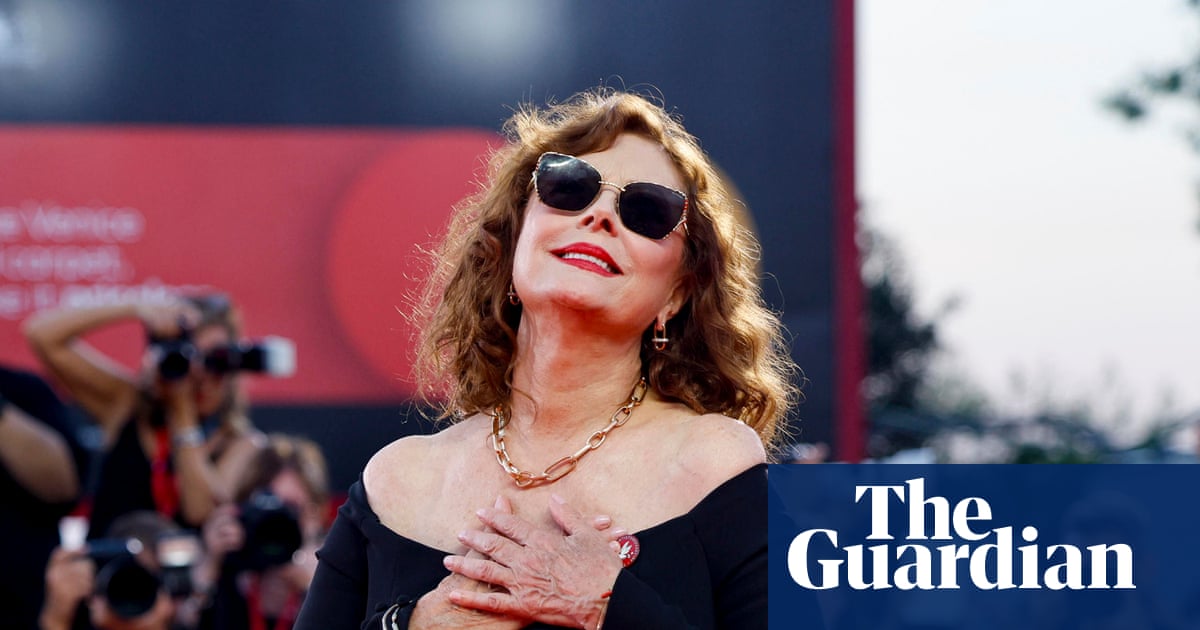
Susan Sarandon has publicly stated that she continues to face professional exclusion within the American film industry as a direct result of her vocal support for Palestinian rights. Speaking during the Venice Film Festival while promoting her latest project, The Echo Chamber, the Oscar-winning actress described an environment where major studios effectively blacklist outspoken critics of Israel. She indicated that this professional isolation persists even as broader public opinion in the United States appears to be shifting regarding US foreign policy in the Middle East.
Sarandon highlighted a distinct disconnect between the general public and industry power structures. While she acknowledged that international audiences and peers often welcome her, she asserted that agencies and large production companies actively discourage hiring her. She suggested that this resistance is not unique to her case but affects other individuals who have similarly criticized Israeli government actions. The actor emphasized that the financial ties between the United States and Israel have become a more visible point of contention for many people, altering the historical narrative surrounding these relationships.
The controversy surrounding Sarandon’s career trajectory intensified in 2023 when her long-standing talent agency, UTA, terminated its representation of her. This decision followed remarks she made while attending pro-Palestinian demonstrations one month after the Hamas-led attacks on Israel. During those events, Sarandon commented on the fear experienced by Jewish individuals in America, drawing parallels to the experiences of Muslims in the country. These statements drew significant criticism and contributed to her subsequent marginalization within mainstream Hollywood circles.
Despite these challenges, Sarandon pointed to evolving public sentiment as a mitigating factor. Recent polling data indicates that support for Israel among Americans has softened since the onset of the Gaza war in 2023, while sympathy for Palestinians has risen. Sarandon interpreted this trend as a major revelation for many citizens who were previously unaware of the extent of US financial aid to Israel. She expressed optimism that this growing awareness could eventually erode the institutional barriers currently preventing her from securing roles with major studios.
The Venice Film Festival itself has become a focal point for debates regarding political expression in cinema. Activists have called on festival organizers to raise the Palestinian flag to recognize directors from Palestine screening at the event. Alberto Barbera, the artistic director of the festival, stated that displaying the flag is not possible because Italy does not formally recognize the state of Palestine. However, he noted that several films featured on the Lido depict the struggles faced by ordinary Palestinians, offering a platform for these narratives without official state endorsement.
Sarandon’s current project, The Echo Chamber, represents a significant professional opportunity amidst her industry difficulties. Adapted from the final screenplay of Italian filmmaker Bernardo Bertolucci, the film features Sarandon as an aging singer who collaborates with a music producer recovering from drug addiction to create a comeback album. She credited director Andrea Pallaoro for casting her in the role, expressing gratitude for finding a supportive creative team. The film is one of twenty-one entries competing for the Golden Lion award, which will be presented on September 12.
The actor’s comments at the press conference sparked prolonged applause from attendees, suggesting strong support for her stance among festival participants. Sarandon reflected on her career, noting that while she has lost opportunities with major studios, she has found a sense of community and acceptance elsewhere. She described feeling welcome internationally, contrasting this with the cold shoulder she receives from certain domestic industry gatekeepers. This dichotomy underscores the complex interplay between personal activism and professional viability in contemporary Hollywood.
As the film industry navigates these political currents, Sarandon’s experience serves as a case study in the consequences of taking public stands on contentious geopolitical issues. Her assertion that agencies are instructing others not to hire her points to an informal but effective system of exclusion. While public opinion may be shifting, the entrenched power structures within major studios appear resistant to change. The outcome of this tension remains uncertain, with Sarandon continuing to advocate for Palestinian rights while seeking work in an industry that has largely turned away from her.
The broader implications of this situation extend beyond Sarandon’s individual career. It raises questions about the limits of free expression within the entertainment sector and the extent to which political views can impact professional opportunities. As debates over US support for Israel continue to evolve, the film industry may face increasing pressure to reconcile its commercial interests with the diverse political beliefs of its talent and audience. Sarandon’s persistence in speaking out, despite the professional costs, highlights the personal stakes involved in these public discussions.
Looking ahead, the resolution of this conflict depends on whether the shifting public sentiment will translate into tangible changes in hiring practices. If support for Israel continues to wane among American audiences, studios may find it increasingly difficult to justify excluding actors based on their political affiliations. Conversely, if industry resistance remains strong, figures like Sarandon may continue to face professional hurdles regardless of public opinion. The Venice Film Festival provides a temporary stage for these issues, but the long-term impact on Hollywood’s landscape remains to be seen.
Sources behind this briefing
Go to the original reporting
- The Guardian World↗Susan Sarandon says she is losing movie roles because of her support for Palestine

