The short version
- Senator Susan Collins has firmly rejected allegations that she exchanged federal defense contracts for campaign contributions from Navatek executives.
- Federal investigators previously declined to pursue the matter, but new reporting suggests a broader bribery probe was halted after administrative changes at the FBI.
- The controversy emerges weeks before the midterm elections, with critics filing ethics complaints and supporters dismissing the claims as recycled partisan attacks.
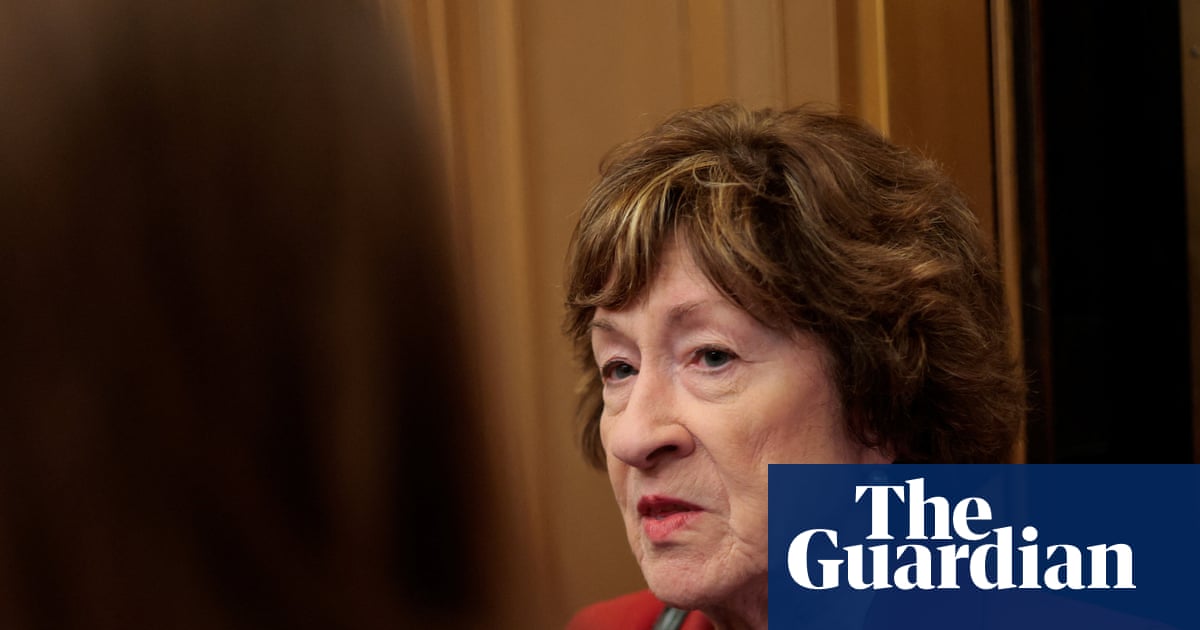
Senator Susan Collins of Maine has issued a forceful denial regarding allegations that she accepted campaign funds in exchange for securing federal defense contracts. The Republican lawmaker, who is currently campaigning for re-election in the upcoming November midterms, characterized the accusations as entirely fabricated and recycled from previous years. She emphasized that multiple federal agencies, including the Department of Justice, the Federal Bureau of Investigation, and the Federal Election Commission, had previously reviewed and rejected these same claims.
The controversy centers on Martin Kao, the former chief executive of Navatek, a defense contractor currently serving an eighty-seven-month prison sentence for fraud and campaign finance violations. According to recent reporting, Kao told federal agents that his company secured millions in government funding by financing political campaigns, with Collins identified as a key beneficiary. He alleged that the head of Collins’s super PAC requested half a million dollars in 2019, leading him to transfer funds through a shell company in anticipation of naval contracts worth tens of millions.
Collins disputes this narrative entirely, stating she had no prior knowledge of Navatek or its former leadership. She explained that her support for specific research grants originated from requests by the University of Maine, not from defense contractors. Collins described Kao as a criminal who lacked legitimate standing and suggested his recent statements were motivated by a desire to secure leniency from judges or prosecutors rather than reflect factual events.
Despite the senator’s denials, investigative reporting has uncovered internal communications that complicate her position. Emails reviewed by journalists show interactions between Kao and Scott Reed, the chair of Collins’s super PAC. In one exchange, Reed responded positively to a proposal involving a shell company, while in another, he requested Kao’s contact information so Collins could express gratitude. These documents suggest a level of coordination that contradicts the senator’s assertion of ignorance regarding the contractor’s activities.
The timeline of events remains a point of contention. Collins pointed out that photographic evidence places Kao in her office months before any financial contributions were made, implying that the relationship did not begin with a quid pro quo arrangement. However, investigators noted that while the full thirty-two million dollars in contracts Kao claimed to have secured was not awarded, the Senate did allocate at least ten million dollars based on Navatek’s proposals during the relevant period.
Federal interest in the matter appears to have shifted over time. Reports indicate that FBI agents attempted to launch a broader bribery investigation in 2024, but these efforts stalled following administrative changes within the bureau after Donald Trump returned to the presidency. The purging of public corruption teams at the agency reportedly contributed to the collapse of the inquiry, leaving many questions unanswered and no charges filed against individuals in Collins’s orbit.
A new ethics complaint was filed last week by a Maine attorney, reigniting scrutiny ahead of the election. Collins dismissed this action as a partisan maneuver orchestrated by Democrats and Valerie Adams, a lawyer who recently lost a primary bid for district attorney. She argued that welcoming an ethics inquiry would be unnecessary given the lack of evidence and previous federal clearances, maintaining that her conduct has always been above reproach.
As the election approaches, the political implications of these allegations remain uncertain. While no one in Collins’s immediate circle has faced criminal charges, the persistence of these claims threatens to overshadow her campaign message. The disconnect between the senator’s public denials and the documented communications with Navatek associates continues to fuel debate among voters and observers about the integrity of federal contracting processes.
The situation highlights broader concerns regarding oversight in defense spending and political financing. With the FBI’s previous investigation halted and new complaints emerging, it remains unclear whether further scrutiny will occur before or after the November vote. Collins maintains her innocence and urges voters to focus on policy issues rather than what she describes as baseless accusations designed to damage her reputation.
Legal experts note that while the lack of charges is significant, it does not definitively prove innocence, especially given the administrative disruptions at federal law enforcement agencies. The coming weeks will likely see increased attention on this case, with both supporters and critics analyzing the available evidence to determine whether the allegations warrant further judicial or legislative action.
Sources behind this briefing
Go to the original reporting
- The Guardian US Politics↗US senator Susan Collins writes off allegations of corruption as ‘completely false’