The short version
- Sixty percent of U.S. adults identify greater financial security as their definition of a better life, with food costs cited as the top concern by ninety percent of respondents.
- Despite a majority believing government should help people get ahead, only thirty percent report that government institutions have been helpful in practice.
- Strong community connections correlate significantly with feelings of control and momentum, yet only one-third of adults feel strongly connected to their neighborhoods.
A comprehensive survey conducted in mid-April reveals a stark contrast between broad economic indicators and the lived experiences of American households. While stock markets have reached record highs and investment in artificial intelligence continues to surge, the daily reality for many citizens is defined by financial strain. The study, carried out by the McKinsey Institute for Economic Mobility and the WK Kellogg Foundation, polled more than 30,000 adults across various generations and economic classes. The findings suggest that despite apparent divisions on cultural values and beliefs, there is a widespread consensus regarding the primary barrier to achieving a better quality of life: the escalating cost of living.
When asked to envision what a better life would look like in three to five years, sixty percent of respondents pointed to greater financial security as their central goal. For many, this concept is not about luxury or extravagant consumption but rather the ability to afford basic necessities without constant anxiety. Interview participants described financial security as having enough income to cover rent, utilities, food, healthcare, and transportation while still retaining funds for future savings, such as retirement or vacations. This desire for stability underscores a fundamental shift in priorities, where the baseline of comfort has become an elusive target for a significant portion of the population.
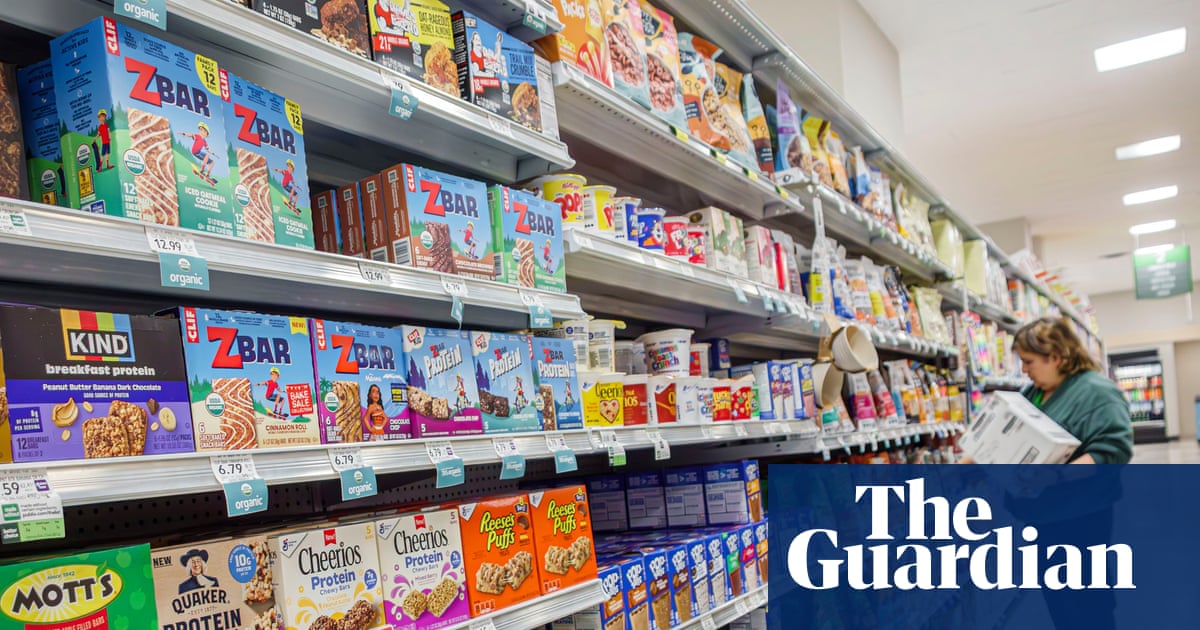
The gap between aspiration and reality is widening. Forty percent of those surveyed described their financial situation as either vulnerable or struggling to meet basic needs. Food costs emerged as the most pressing issue, with ninety percent of respondents listing groceries as their top concern regarding the cost of living. Housing, transportation, and healthcare followed closely behind. One respondent from Philadelphia noted that success was not about wealth accumulation but simply being able to afford small expenses, such as school field trips for children or assisting family members with bills. This sentiment reflects a broader trend where everyday expenses have transformed into sources of persistent frustration.
This widespread sense of economic pressure appears inconsistent with other sectors of the economy. Macroeconomic data often highlights positive trends in job reports, gross domestic product growth, and interest rate adjustments. However, researchers involved in the study argue that these high-level metrics fail to capture how individuals actually experience the economy on a day-to-day basis. A separate Harris poll recently found that ninety-five percent of Americans believe the country is undergoing an affordability crisis. This perception persists even as certain markets thrive, indicating a deep disconnect between aggregate economic health and household financial well-being.
While there is agreement on the problem, solutions vary depending on geographic location. Rural respondents were more likely to emphasize the need for better jobs and clearer career pathways. In contrast, urban residents prioritized affordable housing and improved public safety. These divergent needs complicate policy responses, as a one-size-fits-all approach may not address the specific barriers faced by different communities. The survey highlights that while the overarching challenge is financial insecurity, the mechanisms to alleviate it must be tailored to local contexts.
Responsibility for addressing these issues is largely placed on government institutions. Sixty percent of respondents stated that local, state, and federal governments should play a key role in helping people get ahead. This figure was twenty percentage points higher than the trust placed in other institutions such as faith organizations, banks, non-profits, and schooling systems. However, there is a significant gap between expectation and satisfaction. Only thirty percent of respondents reported that government institutions have actually been helpful in improving their circumstances. This discrepancy suggests a crisis of confidence in public sector effectiveness.
In the absence of robust institutional support, personal networks have become critical buffers against financial stress. Respondents ranked friends and family as the top source of help in getting ahead, followed by employers. Beyond direct assistance, community connectedness emerged as a strong predictor of overall outlook. Individuals who reported feeling strongly connected to their communities were more than twice as likely to feel in control of their lives and future. They were also nearly four times more likely to describe their lives as having momentum.
Despite the benefits of social connection, only one-third of respondents reported feeling a strong sense of community. Many expressed feelings of isolation within their neighborhoods. One respondent from Los Angeles noted that while they knew a few people, most residents kept to themselves. This lack of connectedness may exacerbate the stress associated with financial insecurity, leaving individuals without the social support systems that can provide emotional and practical relief. As the cost of living continues to rise, rebuilding these community ties may be just as important as addressing economic disparities.
The findings from this extensive survey offer a sobering look at the current American economic landscape. While headline figures may suggest prosperity, the majority of adults are focused on securing basic stability. The divergence between macroeconomic success and microeconomic struggle indicates that traditional metrics are insufficient for gauging public well-being. Addressing the affordability crisis will require not only policy adjustments but also a reevaluation of how support is delivered and how communities can be strengthened to help individuals navigate financial uncertainty.
Sources behind this briefing
Go to the original reporting
- The Guardian US↗Most Americans view rising living costs as biggest barrier to a better life, survey finds

