The short version
- Home Office figures show 3,021 terrorism arrests in Great Britain during the year ending March 2026, representing almost half of the total since 2001.
- The sharp increase follows the July 2025 proscription of Palestine Action, leading to thousands of detentions for alleged support of the banned direct-action group.
- Civil liberties organizations and legal experts argue the current definition of terrorism is overly broad, prompting a Supreme Court challenge scheduled for November.
Official statistics from the British Home Office indicate a dramatic escalation in counter-terrorism enforcement over the past year. Data released recently shows that 3,021 individuals were arrested for terror-related activity in Great Britain during the twelve months ending March 31, 2026. This figure represents nearly half of the 6,539 total terrorism arrests recorded in the country since the September 11 attacks in 2001.
The timing of this surge aligns closely with the government’s decision to proscribe Palestine Action on July 5, 2025. This organization became the first direct-action protest group to be banned under the Terrorism Act. Since the ban took effect, authorities have detained thousands of people accused of supporting the group, driving the overall arrest numbers to unprecedented levels compared to previous years.
The statistical jump is stark when viewed against prior periods. Arrests related to terrorism increased by 1,434 percent in the year ending March 2026 compared to the preceding twelve months. The demographic breakdown of these detentions also shifted significantly. There was a 3,761 percent rise in arrests involving women and girls, alongside a 2,306 percent increase in detentions of individuals aged thirty and older.
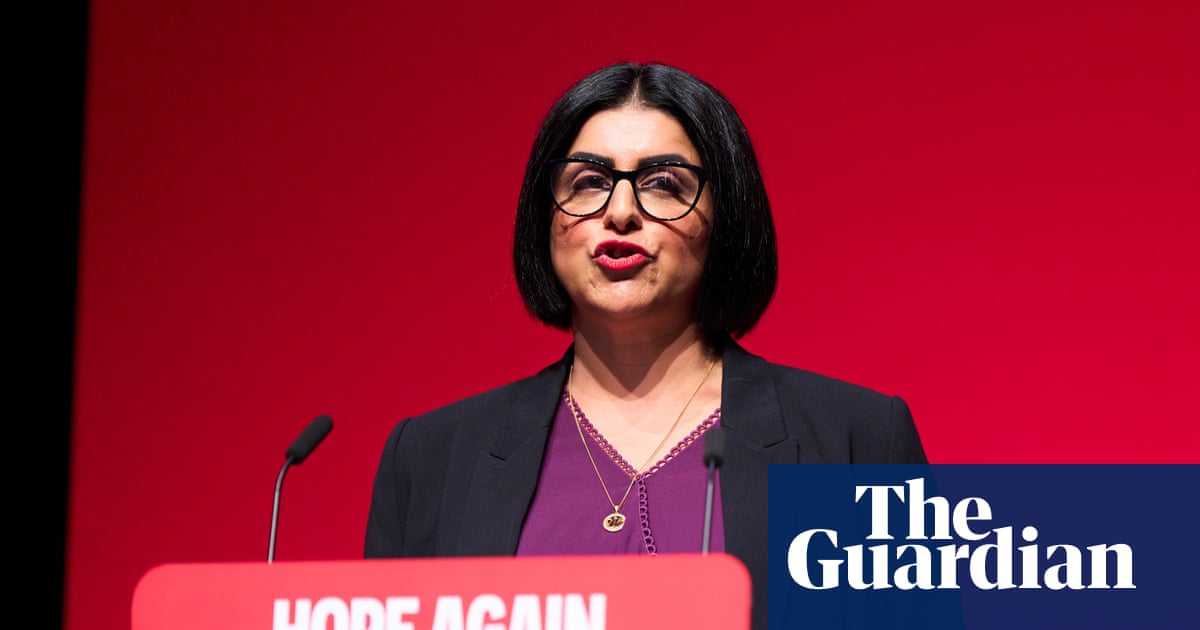
Critics argue that the current legal framework is being applied too broadly. Ruth Ehrlich, director of external relations at Liberty, stated that the data demonstrates counter-terror laws are not fit for purpose. She emphasized that the government’s definition of terrorism captures behavior most citizens would not consider terrorist in nature, which erodes public trust and undermines the effectiveness of security measures.
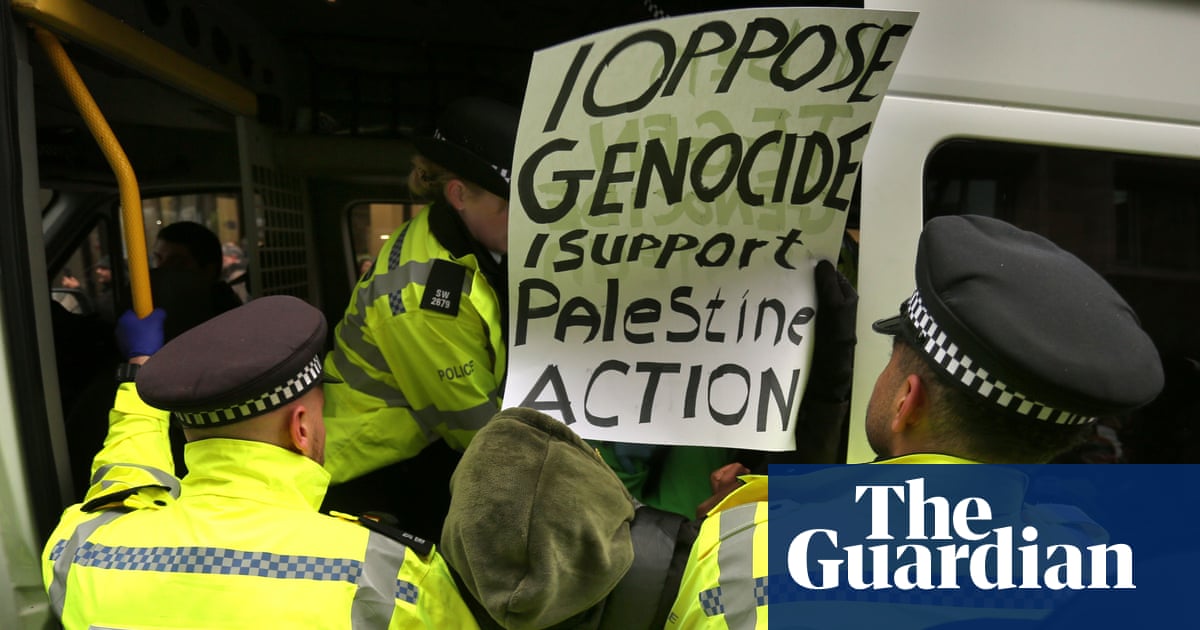
The ban on Palestine Action triggered a widespread campaign of civil disobedience. Many of those arrested participated in demonstrations organized by Defend Our Juries, where they displayed placards expressing opposition to genocide and support for the banned group. Raj Chada, head of criminal defense at Hodge Jones and Allen, noted that the typical person currently facing terrorism charges is often a pensioner attending a silent vigil with a sign.
Legal challenges to the proscription are ongoing. A case regarding the ban is scheduled to be heard by the UK Supreme Court on November 4. Liberty intervened in this legal challenge, arguing for an urgent update to the definition of terrorism. The goal is to ensure future governments can protect the public while safeguarding individual rights and preventing state overreach.
Defend Our Juries claims that more than 3,600 arrests have been made specifically relating to support for Palestine Action. This would mean that over half of all terrorism arrests since 2001 are connected to this single group. Approximately 2,500 people have been charged under Section 13 of the Terrorism Act, which prohibits showing support for a proscribed organization and carries a maximum sentence of six months.
A smaller number of individuals face more severe charges. At least fifty people have been charged under Section 12, which concerns inviting support for a banned group. These cases require jury trials and carry a maximum penalty of fourteen years in prison. In June, four activists became the first defendants convicted of property damage with their actions deemed to have a terrorist connection by a judge.
The Home Office maintains that showing support for proscribed organizations is illegal. A spokesperson stated that arrest decisions are operational matters for police, based on the specific facts and circumstances of each case. The government insists these measures are necessary to uphold the law, despite criticism from UN experts, NGOs, and former senior officials in the security and prosecution services.
The situation highlights a growing tension between national security priorities and civil liberties protections. As the Supreme Court prepares to hear arguments on the legality of the ban, the high volume of arrests continues to draw scrutiny. The outcome of these legal proceedings may significantly impact how counter-terrorism laws are applied to political protest in the future.
Sources behind this briefing
Go to the original reporting
- The Guardian World↗Almost half of terrorism arrests in Great Britain since 9/11 have been in past year