The short version
- A record proportion of top grades has led to fewer students securing their first-choice university offers compared to previous years.
- Institutions like Cardiff University are asking accepted students to defer entry due to government-imposed intake limits and oversubscription.
- Structural changes including course closures and staff cuts are further disrupting student placements and campus logistics.
A significant shift in the United Kingdom’s higher education landscape has emerged following this year’s A-level results, as a surge in top grades has created intense competition for university places. Nearly one-third of exams awarded in England, Wales, and Northern Ireland received the highest marks, fundamentally altering the admissions dynamic. This influx of high-achieving candidates has forced universities to adopt stricter admission standards, resulting in rejections for students who narrowly missed their target grades but would have previously secured enrollment.
The statistical impact is evident in recent data from UCAS, which indicates that only 73% of applicants received firm offers this year. This figure represents a decline from the 76% rate observed in both 2024 and 2025. Furthermore, the proportion of students securing their first-choice course dropped to 79%, down from 82% last year. Consequently, more applicants are being directed toward clearing processes or settling for insurance choices, reflecting a tightening market where demand outstrips available capacity at selective institutions.
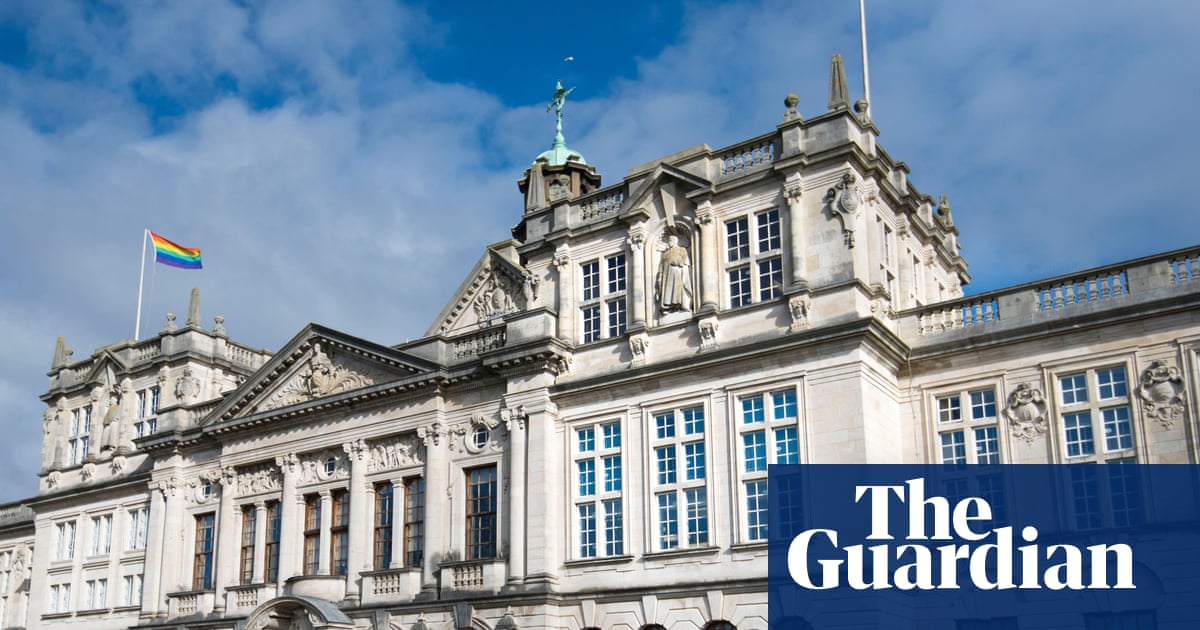
Cardiff University has become a focal point of this disruption, asking students enrolled in specific programs to defer their studies until 2027. The institution cited an unexpectedly high number of applicants meeting grade requirements for courses such as midwifery, leading to a surplus of qualified candidates. University officials emphasized that they did not over-offer places, attributing the situation to detailed modeling of applicant behavior and historical acceptance patterns. However, the sheer volume of acceptances exceeded the commissioned places available under agreements with the Welsh government.
The decision to request deferrals has sparked controversy among affected students. At least one applicant reported complaining to the Office for Students, alleging that Cardiff offered a £750 bursary as an incentive to defer or risk losing their place entirely. It is worth noting that the Office for Students does not regulate universities in Wales, limiting its jurisdiction over such disputes. University spokespersons acknowledged the disappointment caused by these measures, stating that supporting students through this transition remains a priority while navigating strict intake limits.
Broader trends indicate that selective universities are expanding their offer rates more slowly than application volumes are growing. While these institutions received nearly 10% more applications this year compared to 2025, they increased offers by only 5%. This disparity highlights the structural constraints facing higher education providers, who must balance rising demand with fixed resources and government regulations. The result is a more competitive environment where marginal differences in grades can determine admission outcomes.
Compounding these admission challenges are ongoing restructuring efforts within universities, including course closures and staff reductions. For instance, students offered places on geography courses at the University of Exeter’s Cornwall campus near Falmouth were recently informed they must either change their major or relocate to the main campus in Devon. These sudden announcements have added uncertainty for students who had already navigated the complex admissions process, further destabilizing their educational plans.
The cumulative effect of these factors is a record number of deferrals, with 23,000 students already postponing their entry this year. This trend suggests that the pressure on university systems may persist beyond the immediate results cycle. As institutions grapple with capacity limits and financial constraints, students face an increasingly volatile landscape where securing a place does not guarantee timely enrollment.
Looking ahead, the implications of this year’s admissions cycle could reshape student expectations and university strategies. The decline in first-choice offers and the rise in clearing eligibility signal a need for greater flexibility in both applicant behavior and institutional planning. Without significant changes to funding models or capacity constraints, similar bottlenecks may recur, exacerbating tensions between students seeking access and universities managing limited resources.
This situation underscores the fragility of the current higher education framework in the UK. While high academic achievement is commendable, it has inadvertently created systemic pressures that disadvantage many qualified candidates. Policymakers and university leaders must address these imbalances to ensure equitable access and stability for future cohorts, particularly as demographic trends continue to drive demand upward.
Sources behind this briefing
Go to the original reporting
- The Guardian World↗Students squeezed out of university courses after bumper crop of top A-level grades

