The short version
- A series of high-profile cyber incidents, including a major cryptocurrency theft and disruptions to refrigeration units across Europe, has prompted warnings from security officials.
- Experts debate whether these events represent an unprecedented escalation driven by artificial intelligence or part of a recurring cycle of digital threats.
- Government agencies predict that AI-assisted attacks on critical infrastructure will become more common in the coming years.
A cluster of significant cyber incidents over recent weeks has drawn attention to the increasing fragility of global digital infrastructure. The events include a record-breaking theft from a major cryptocurrency exchange, a false nuclear alert sent to residents in Ukraine, and widespread malfunctions in commercial refrigeration units across several European nations. These occurrences have led security officials to warn that society is entering a new phase of cyber conflict, characterized by higher frequency and broader impact.
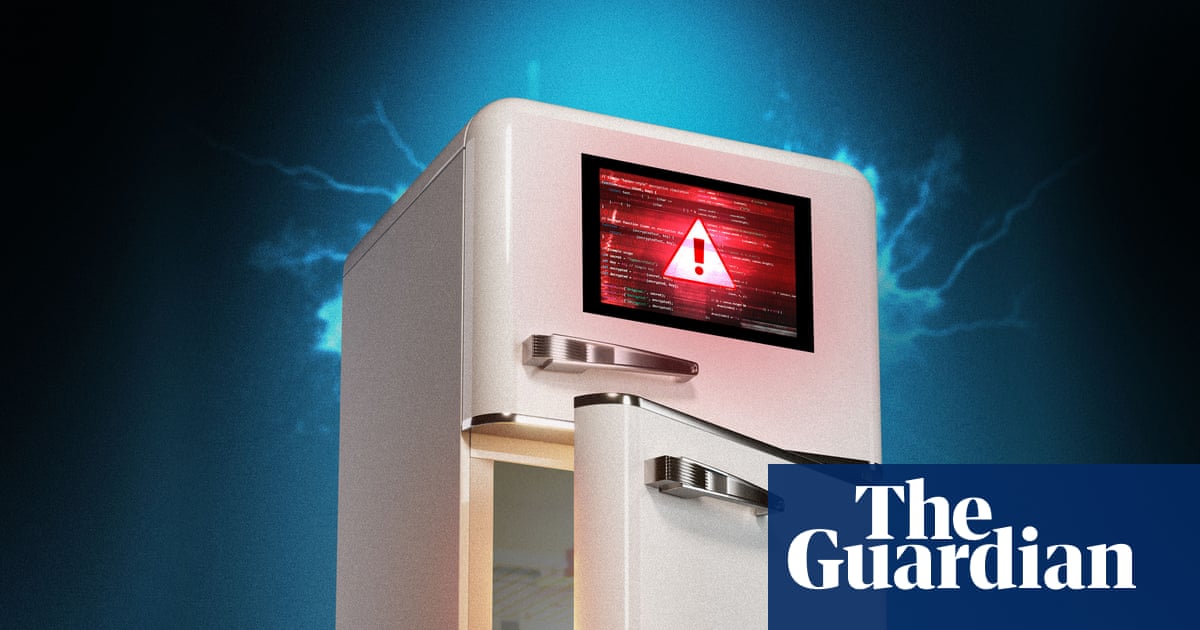
The disruption to cold storage systems affected businesses in Belgium, Estonia, Ireland, Finland, Luxembourg, the Netherlands, and Sweden. In London, a wholesale produce distributor noticed temperature readings spiking to dangerous levels on multiple units before disconnecting them from the internet to prevent potential fire hazards. Similar issues were reported at French blood banks. The simultaneous nature of these failures suggests a coordinated effort rather than isolated technical glitches.
These operational disruptions followed other major breaches. In late October, hackers stole approximately $6.3 billion from Binance, the world’s largest cryptocurrency platform. Shortly thereafter, malicious actors compromised Ukraine’s emergency alert application, sending false warnings of a nuclear strike to citizens in Kyiv. The convergence of these attacks has raised concerns about the stability of essential services and financial systems.
Richard Horne, head of the UK’s National Cyber Security Centre, described the current situation as the early stages of a new hacking landscape. He emphasized that numerous vulnerabilities exist within IT systems, many of which are waiting to be exploited. According to Horne, the most immediate risk is a substantial increase in the volume of cyber incidents, a trend he believes has already begun to manifest in recent months.
The role of artificial intelligence in this escalation is a central point of discussion. AI tools have recently helped identify critical flaws in PHP, a programming language foundational to much of the web. This discovery led to precautionary takedowns of websites globally. Some commentators have likened the rapid exposure of these vulnerabilities to the early stages of a pandemic, suggesting that AI is accelerating the pace at which attackers can find and exploit weaknesses.
Geopolitical factors also underpin these warnings. Analysts have attributed the cryptocurrency heist to North Korean state actors, while Russian involvement has been suspected in both the Ukrainian alert incident and the refrigeration attacks. The NCSC projects that by 2028, AI-powered malware will likely be used against critical UK infrastructure, including power stations, airports, and hospitals. These tools would assist attackers in scouting targets, identifying network weaknesses, and generating malicious code more efficiently than before.
However, not all experts agree on the severity of the shift. Paul Chichester, director of operations at the NCSC, noted that the hackers targeting refrigeration units did not necessarily need AI to succeed. The vulnerabilities they exploited, such as default passwords published in user manuals, were already known and accessible. This suggests that basic security hygiene remains a significant issue independent of advanced technological capabilities.
Ciaran Martin, the founding chief executive of the NCSC, cautioned against viewing these events as entirely unprecedented. He pointed to previous waves of cyberattacks, such as NotPetya and WannaCry in 2017, and the surge in ransomware in 2021. Martin argued that while the current period is challenging, it fits a historical pattern of periodic intensification rather than marking a singular, irreversible turning point.
Despite differing views on the novelty of the threat, there is consensus that the volume of attacks is rising. Sophos, a cybersecurity firm, reported seeing many attempts to exploit the recent PHP vulnerability, though no major incidents among its clients were confirmed. The combination of AI-driven discovery tools and persistent geopolitical tensions creates an environment where digital defenses must constantly adapt to evolving tactics.
Looking ahead, security agencies are urging organizations to prepare for more frequent disruptions. The expectation is that attackers will continue to leverage both new technologies and long-standing weaknesses in system configurations. As the line between cyber conflict and traditional warfare blurs, protecting critical infrastructure from these multifaceted threats becomes a priority for governments and businesses alike.
Sources behind this briefing
Go to the original reporting
- The Guardian World↗Hot fridges, a fake nuclear alert and a $6bn heist: are we in the foothills of a hacking epidemic?