The short version
- The First Circuit Court of Appeals clarified that its previous order allowing third-country deportations was no longer effective, prompting an immediate flight cancellation.
- Administration officials argue the ruling disrupts diplomatic agreements and hinders efforts to remove individuals with criminal convictions who cannot be returned to their countries of origin.
- Critics and legal advocates highlight reports of mistreatment in destination countries and emphasize the need for migrants to have a meaningful opportunity to challenge removal orders.
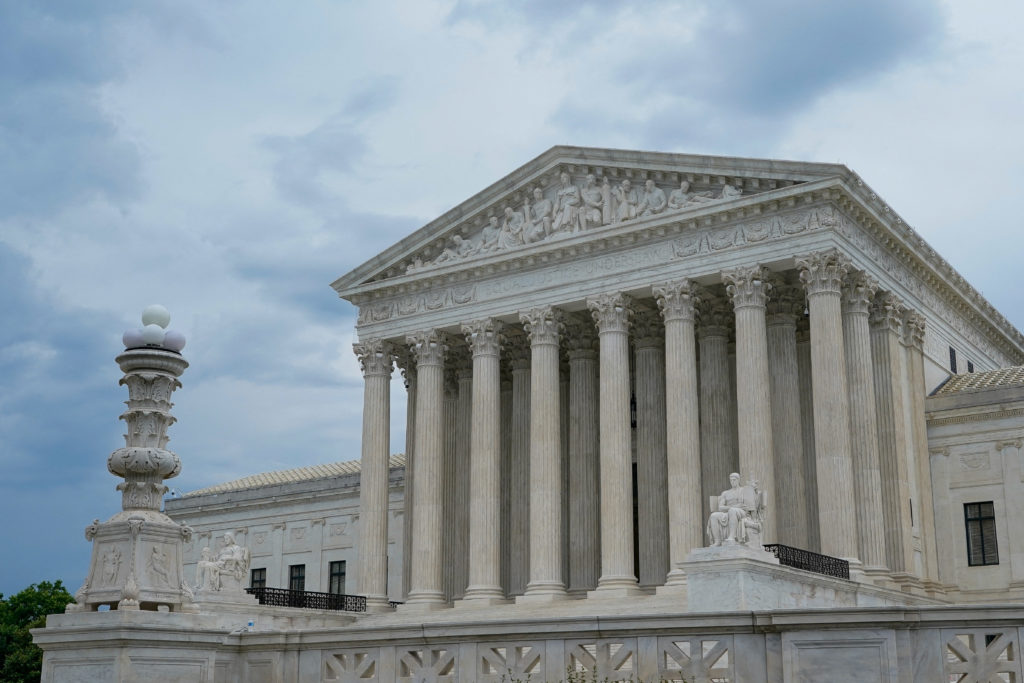
The Trump administration has filed an urgent appeal with the Supreme Court following a decisive ruling by the First U.S. Circuit Court of Appeals that halted the deportation of individuals to countries other than their own. The lower court’s decision, issued late Wednesday evening, effectively nullified a prior order that had permitted these removals to continue while legal challenges proceeded. This development has cast immediate uncertainty over a central pillar of the administration’s immigration strategy, which relies heavily on transferring migrants to third nations when repatriation to their home countries is not feasible.
According to government officials, the timing of the appeals court’s clarification forced the cancellation of a scheduled flight carrying seventy individuals destined for three unnamed countries. The administration described the situation as chaotic, noting that the sudden halt required immediate and extensive diplomatic renegotiations with each of the destination governments. Attorney General Todd Blanche criticized the late-night ruling, arguing that it deprived authorities of a legal mechanism deemed essential for controlling illegal immigration flows.
The controversy centers on a series of often-secret bilateral agreements under which the United States has deported thousands of people to more than two dozen nations, ranging from Liberia to Guyana. While the majority of deportees have been sent to Mexico, this broader program allows the government to remove individuals who might otherwise remain in the U.S. due to diplomatic or logistical barriers in their home countries. The administration contends that these third-country governments provide assurances regarding the safety and treatment of those transferred.
However, legal advocates for immigrants have raised serious concerns about the conditions awaiting deportees in these destination countries. Plaintiffs seeking emergency relief from the appeals court cited reports from multiple sources indicating that some individuals were sent to nations they had never heard of prior to their arrival. In some cases, deportees found themselves held against their will in unfamiliar environments, facing significant safety risks and limited options other than returning to the countries they originally fled.
Specific allegations have emerged regarding the treatment of migrants in Equatorial Guinea. Lawyers representing two men deported there reported that they were subjected to physical abuse and detained at gunpoint in a hotel converted into a detention center. Police officers allegedly covered the men’s heads with bags during their confinement, raising questions about the reliability of the host governments’ assurances and the potential for persecution or torture.
The legal battle has evolved over the past year, with the Supreme Court previously allowing deportation flights to continue temporarily while lower courts reviewed the policy. A Boston-based judge had issued a final ruling requiring that migrants be given a meaningful opportunity to argue that third-country deportations would expose them to danger. The First Circuit’s recent clarification reinforced this requirement, effectively lengthening the legal process and preventing immediate removals without due process.
Government attorneys argue that the new legal requirements will cause cascading delays and necessitate the reworking of existing international agreements. Solicitor General D. John Sauer emphasized that the administration has successfully removed thousands of individuals to third countries in recent months, with many more eligible for such transfers. The government maintains that these removals are particularly important for individuals with criminal convictions who pose a threat to public safety.
This case unfolds against the backdrop of a sweeping immigration crackdown led by the Trump administration, which has pledged to deport millions of undocumented immigrants living in the United States. The reliance on third-country agreements reflects an effort to bypass traditional diplomatic channels and accelerate removals. However, the legal challenges highlight the tension between executive authority and judicial oversight in matters of national security and human rights.
As the Supreme Court considers the appeal, the outcome could have far-reaching implications for U.S. immigration policy. A decision in favor of the administration would likely restore the ability to deport individuals to third countries with minimal procedural delays. Conversely, a ruling against the government could impose stricter due process requirements, potentially slowing down removal efforts and forcing a reevaluation of bilateral agreements.
The immediate impact of the appeals court’s ruling is already evident, with at least one flight canceled and diplomatic engagements disrupted. The administration’s desperate appeal to the Supreme Court underscores the high stakes involved in this legal dispute. As justices weigh the arguments, the fate of thousands of migrants currently held in detention or awaiting removal remains uncertain, pending the final resolution of this complex constitutional question.
Sources behind this briefing
Go to the original reporting
- PBS NewsHour↗Trump administration appeals to Supreme Court as 3rd-country deportations are thrown into question

